


If you've been experiencing cravings all afternoon, energy crashes after meals, stubborn belly fat, brain fog, and a scale that refuses to budge, insulin resistance symptoms can be at play. Insulin resistance symptoms women experience can be easy to miss or brush off as stress, age, or hormones. And yes, those things matter too. But insulin resistance is often sitting quietly in the background, making everything harder.
This is one of the biggest reasons so many women feel frustrated with traditional weight-loss advice. You eat less, try to be "good," maybe even push harder in the gym, and your body responds with exactly zero enthusiasm. Rude, honestly. When insulin is out of balance, fat loss, energy, mood, and hormones can all start to feel like an uphill battle.
What insulin resistance means for women
Insulin is a hormone that helps move sugar from your bloodstream into your cells, where it can be used for energy. With insulin resistance, your cells stop responding as well as they should. Your body then pumps out more insulin to try to keep blood sugar stable.
That extra insulin does more than affect blood sugar. It can increase fat storage, especially around the midsection, worsen cravings, disrupt energy, and contribute to hormone imbalance. In women over 40, this can be even more noticeable because perimenopause, sleep changes, chronic stress, and a slower recovery capacity can all pile on at once.
This is why insulin resistance is not just a blood sugar issue. It is often a whole-body stress signal.
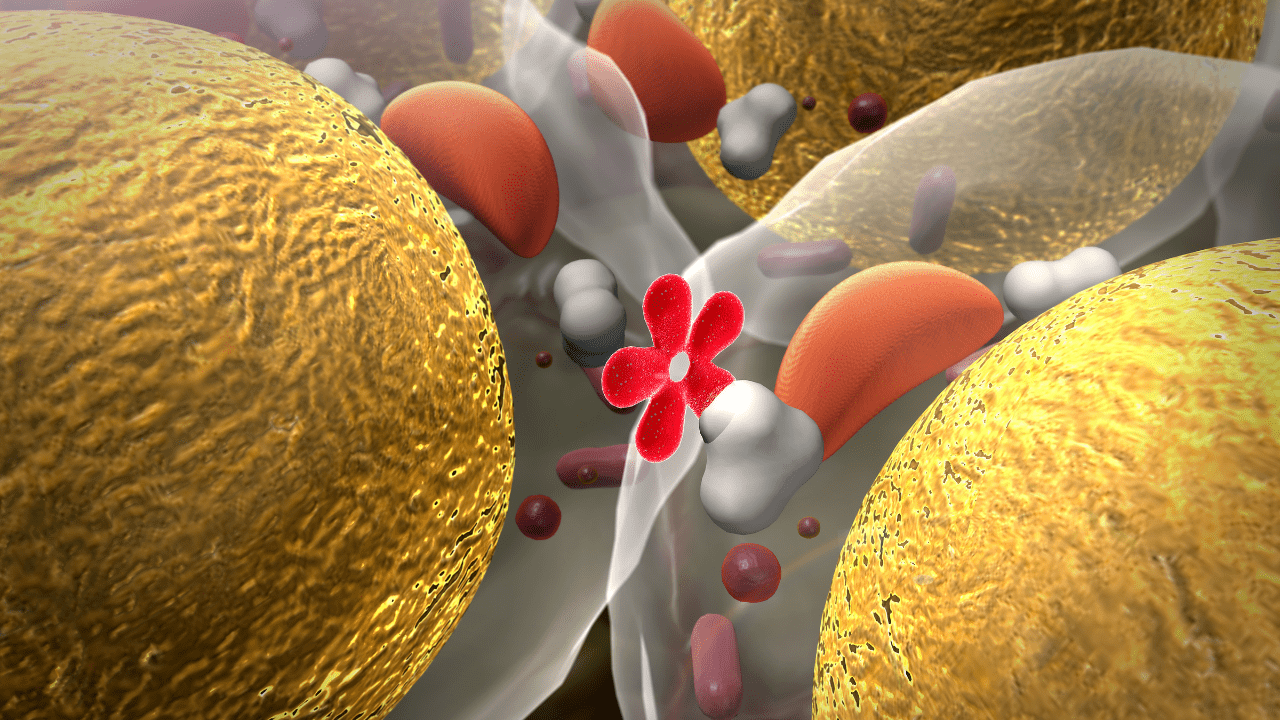
Common insulin resistance symptoms women often notice first
The early signs are not always dramatic. More often, they show up as patterns that slowly become your new normal.
Stubborn weight gain, especially around the belly
One of the most common insulin resistance symptoms women talk about is unexplained weight gain or difficulty losing weight even when they are trying. Belly fat is especially common because high insulin tends to encourage fat storage in the abdominal area.
This does not mean every woman with belly fat has insulin resistance. But if your waistline is changing while your habits have not changed much, it is worth paying attention.
Cravings for sugar and carbs
If you feel like you could fight someone for a muffin at 3 p.m., that can be a clue. Blood sugar swings often create intense cravings for quick energy, usually in the form of sweets, bread, pasta, chips, or snack foods.
This is not a willpower flaw. It is often a metabolic signal. When blood sugar rises and falls too quickly, your body starts asking for another fast hit of fuel.
Energy crashes after meals
A lot of women assume being sleepy after lunch is just part of adulthood. It is not necessarily normal. Feeling tired, foggy, or sluggish after eating, especially after a higher-carb meal, can point to poor blood sugar control.
Some women also notice they feel shaky, irritable, or desperate for coffee a couple of hours later. That roller coaster is a clue your body may be struggling to manage glucose efficiently.

Brain fog and poor focus
When blood sugar is unstable, your brain notices. Trouble concentrating, forgetfulness, mental fatigue, and that lovely feeling of having ten browser tabs open in your head can all be connected.
Of course, brain fog can also be linked to poor sleep, stress, thyroid issues, nutrient deficiencies, and hormonal changes. This is where context matters. If it shows up alongside cravings, weight gain, and fatigue, insulin resistance becomes more likely.
Increased hunger, even when you just ate
If meals do not seem to keep you full for long, that is another sign to watch. Women with insulin resistance often feel hungry again soon after eating, especially if meals are built around refined carbs and not enough protein, fibre, or healthy fats.
This can create an exhausting cycle of grazing, craving, overeating, then blaming yourself. The problem may be your metabolism asking for better support, not more self-criticism.
Skin changes
Certain skin changes can be a useful clue. Darkened, velvety patches of skin around the neck, underarms, or groin area can be associated with insulin resistance. Skin tags can also be more common.
Not every woman will have these signs, but when they are present, they should not be ignored.
Hormone-related signs that can overlap
Insulin resistance does not stay politely in its lane. It can affect other hormones too, which is why some women notice changes that seem unrelated at first.

Irregular periods or worsening PCOS symptoms
High insulin can stimulate the ovaries to produce more androgens, which may contribute to irregular periods, acne, facial hair growth, and other polycystic ovary syndrome symptoms. For some women, insulin resistance is a major driver behind PCOS.
Even if you have never been diagnosed with PCOS, cycle changes can still be part of the picture.
Harder menopause and perimenopause symptoms
Perimenopause already brings enough chaos without insulin joining the party. As estrogen and progesterone shift, insulin sensitivity often gets worse. That can mean more belly fat, more fatigue, more cravings, poorer sleep, and bigger mood swings.
This is one reason women in their 40s and 50s often say, "What used to work for me does not work anymore." They are not imagining it.
Why these symptoms are so easy to dismiss
Many insulin resistance symptoms women experience look like everyday life problems. You are tired because you are busy. You are gaining weight because you are getting older. You crave sugar because you are stressed. Sometimes those explanations are partly true.
But when several of these symptoms show up together and keep repeating, it is time to stop calling it random. Your body is giving feedback. The goal is not to panic. The goal is to listen sooner.
What increases the risk
Insulin resistance can develop for several reasons, and it is rarely just one thing. A family history of type 2 diabetes matters. So do chronic stress, poor sleep, a highly processed diet, inactivity, carrying excess weight, gut issues, and hormone changes.
For many women, years of dieting can also make things worse. Restriction, rebound eating, stress hormones, and inconsistent nourishment create a messy metabolic environment. Then women blame themselves when their body stops responding. That is backwards. The body is adapting to stress, not failing.
What to do if these signs sound familiar
Start by getting a proper medical assessment. Blood work may include fasting glucose, fasting insulin, A1C, and other markers your practitioner feels are appropriate. Some women are told everything is "normal" because fasting glucose has not crossed a diagnostic line, even though fasting insulin and symptoms suggest there is a problem brewing earlier.
This is where advocating for yourself matters.
At the same time, you do not need to wait for a perfect lab report to begin supporting your metabolism. Focus on eating balanced meals with enough protein, fiber, and whole-food carbohydrates instead of grazing on quick convenience foods all day. Strength training and regular walking can help improve insulin sensitivity. Sleep matters more than most people want to hear, mostly because it is not as exciting as a supplement. Stress management matters too, because high cortisol and high insulin often travel together.
And no, the answer is usually not starving yourself or doing punishing workouts six days a week. That approach tends to backfire, especially for women already running on fumes.
A more effective path is structured, sustainable support that looks at the whole picture - food, habits, hormones, digestion, sleep, and mindset. That is where real change tends to stick.
When insulin resistance symptoms women have need attention sooner
Do not ignore symptoms if they are intensifying, affecting your daily function, or showing up with high blood sugar readings, significant fatigue, frequent urination, increased thirst, or menstrual changes that feel dramatic. Insulin resistance can progress over time and may increase the risk of type 2 diabetes, cardiovascular issues, and worsening hormonal problems.
Earlier action is usually easier than trying to dig yourself out after years of being told to just eat less and try harder.
If you have felt dismissed, discouraged, or confused by a body that no longer responds the way it used to, you may simply need a better strategy. At Coach With Chris, this is exactly why a health-restoration approach matters so much more than another quick-fix diet. When you understand what your symptoms are trying to say, you can finally stop fighting your body and support it the right way. Reach out if you need support!


0 comments