


That 3 p.m. pull toward chocolate, cookies, or whatever is hiding in the kitchen is not a lack of willpower. If you have been wondering how to reduce sugar cravings, the first thing to know is this: cravings are usually just a signal, not a character flaw. Your body may be asking for energy, better blood sugar balance, more protein, more sleep, less stress, or simply a more realistic routine.
For a lot of women over 40, sugar cravings get louder right when life gets fuller. You are managing work, family, appointments, meals, hormones, and everyone else's needs, then wondering why you are standing in the kitchen eating cereal out of the box. It is not glamorous, but it is common. The good news is that cravings can be reduced when you address the reason they keep showing up.
Why sugar cravings happen in the first place
Sugar cravings are often blamed on a sweet tooth, but that is only part of the story. In practice, cravings usually build on a few overlapping issues.
1. Unstable Blood Sugar
The first is unstable blood sugar. If breakfast is just coffee, lunch is a salad with barely any protein, and dinner happens late, your body will look for the fastest energy source it can find. That is usually sugar. It is not being dramatic. It is trying to keep you going.
2. Stress
The second is stress. When your nervous system is running hot all day, cravings tend to rise with it. Stress hormones can increase appetite, lower patience, and make quick comfort foods feel almost magnetic. Add poor sleep, and the effect is even stronger. Suddenly the muffin is not a treat. It feels like survival.
3. Hormones
Then we have hormones. Many women in perimenopause and menopause notice stronger cravings, especially for sugar and refined carbs. Changes in estrogen, progesterone, insulin sensitivity, and cortisol can all affect appetite, mood, and energy. This is one reason calorie-cutting plans often backfire. They ignore the fact that your body is not a math problem.
4. Habits
And yes, habit plays a role. If you always have something sweet after dinner, your brain starts to expect it. That does not mean you are broken. It means your body loves patterns, even the ones that are not helping you.
How to reduce sugar cravings by eating enough at the right times
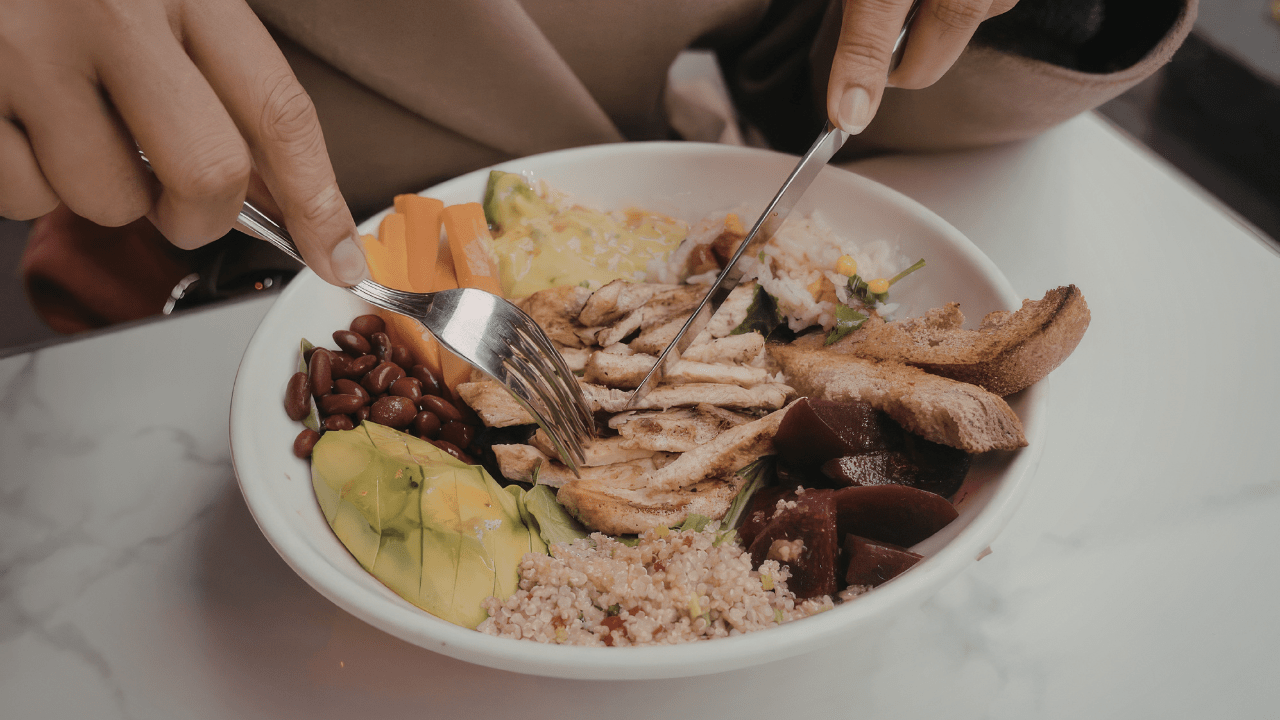
One of the fastest ways to reduce cravings is also one of the least exciting. Eat more balanced meals. Glamorous? No. Effective? Very.
Start with breakfast. If your morning meal is low in protein or missing entirely, cravings later in the day are much more likely. A balanced breakfast that includes protein, healthy fat, and fiber helps steady blood sugar and keeps your brain from chasing fast energy by mid-morning.
The same goes for lunch and dinner. A meal that actually satisfies you usually includes a solid protein source, vegetables or fruit, a smart carbohydrate, and some healthy fat. When meals are too light, cravings are often just delayed hunger wearing a candy costume.
This is where many women get stuck. They are trying to be "good," so they eat tiny portions, skip meals, or rely on snack foods marketed as healthy. Then they feel out of control at night. That is not a discipline issue. It is a body issue. Underfed bodies crave quick fuel. 3 proper meals work best without snacks!
Protein first changes the game
If there is one place to focus, focus on protein. Not because it is trendy, but because it helps you feel full, supports muscle, improves blood sugar stability, and reduces the roller coaster that drives cravings.
For many women, especially those trying to lose weight naturally, protein intake is simply too low earlier in the day. If breakfast is toast or fruit alone, you are setting yourself up for a crash. Adding eggs, Greek yogurt, cottage cheese, protein oats, or a smoothie with quality protein can make a noticeable difference.
At lunch and dinner, build around protein first, then add the rest. Chicken, fish, turkey, eggs, tofu, Greek yogurt, cottage cheese, legumes, or a high-quality protein shake can all work. The exact amount depends on your body, activity level, and goals, but the principle is simple: when protein goes up, cravings often come down.
How to reduce sugar cravings when stress is the real trigger
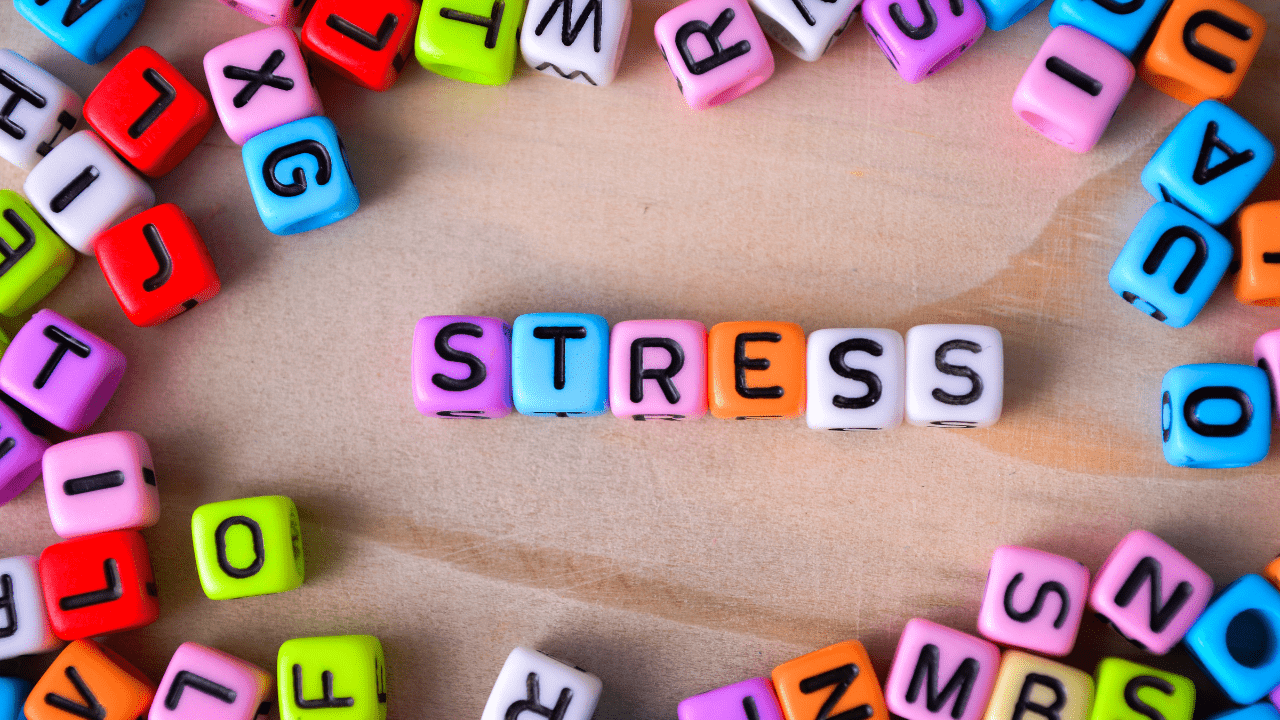
Not every craving is physical hunger. Some are emotional, mental, or stress-driven. That matters, because you cannot meal-plan your way out of a nervous system that is fried.
If you notice cravings hitting hardest after a chaotic day, during conflict, or once the house finally gets quiet, pause before assuming the issue is food. Sometimes the craving is for relief. Sugar just happens to be the fastest option.
This is where small nervous system supports can help more than another rule. A short walk after lunch, five slow breaths before eating, going outside for ten minutes, cutting back on evening screen time, or getting to bed earlier may not sound dramatic, but they can reduce the stress load that drives cravings.
There is a trade-off here. When you are exhausted, the idea of adding one more wellness habit can feel annoying. Fair. So keep it simple. Choose the one thing that helps your body feel safer and calmer, then do that consistently. Boring routines beat heroic efforts every time.
Sleep is not optional if you want fewer cravings
If you are sleeping five or six broken hours and craving sugar all day, that is not random. Poor sleep changes hunger and fullness cues, makes high-sugar foods more appealing, and lowers your ability to make calm choices.
This is especially important for busy moms and professional women who are used to pushing through fatigue. You can function on bad sleep for a while, but your body will often collect payment in cravings, mood swings, and stubborn weight gain.
Better sleep does not always mean a perfect eight hours. Sometimes it starts with a more consistent bedtime, less caffeine late in the day, a protein-rich dinner instead of wine and crackers, or a wind-down routine that does not involve answering emails in bed. Not thrilling, but neither is fighting the pantry every night.
Stop using all-or-nothing rules
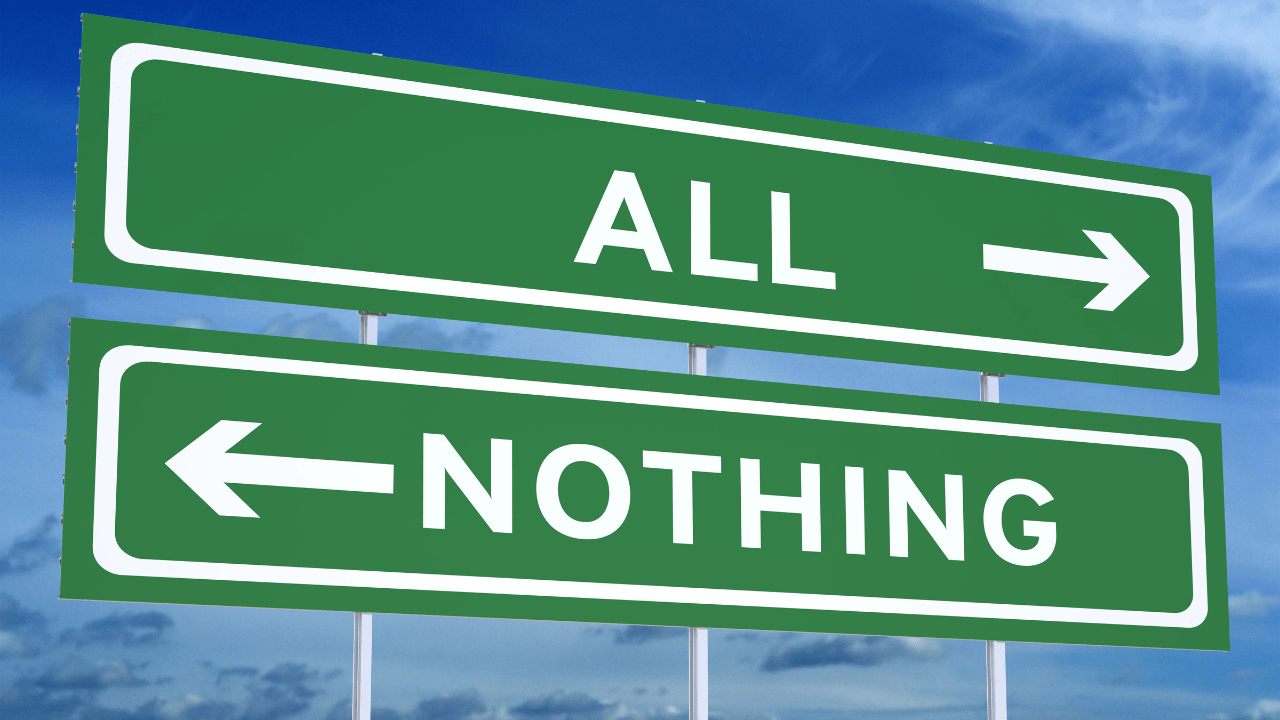
One reason cravings get worse is restriction. The stricter the food rules, the more powerful certain foods can become. If you tell yourself you can never have chocolate again, your brain will suddenly act like chocolate is a rare and sacred resource.
That does not mean sugar should be a free-for-all. It means your approach needs to be realistic. For some women, keeping trigger foods out of the house for a season is helpful. For others, that creates rebound eating. It depends on your patterns.
A better question is this: can you include satisfying foods in a way that feels intentional rather than chaotic? Sometimes having a balanced dessert after dinner works better than trying to white-knuckle cravings for three days and then eating half a bag of cookies on Friday night.
Support your environment, not just your motivation
If you want to know how to reduce sugar cravings in real life, look at your environment. Your routine will usually beat your intentions.
If you are constantly running between work and activities with no food packed, you will end up grabbing whatever is easy. If your kitchen is full of snack foods and short on real meals, cravings will win more often. If dinner is always delayed until you are starving, the evening will feel harder than it needs to.
Set yourself up with easy wins. Keep simple protein options on hand. Prep a few balanced meals or ingredients each week. Eat before you are ravenous. Have something better available when cravings hit, like Greek yogurt with berries, apple slices with nut butter, or a protein smoothie. These are not punishment foods. They are support.
At Coach With Chris, this is a big part of lasting change. You do not beat cravings by trying harder. You build a body and routine that stop creating them so often.
When sugar cravings are a sign of a bigger issue
Sometimes persistent cravings point to deeper imbalances. Blood sugar dysregulation, poor gut health, chronic dieting, low protein intake, high stress, poor sleep, or hormone changes can all keep cravings high. If you are doing all the obvious things and still feeling controlled by sugar, it may be time to look below the surface.
This is where a holistic approach matters. Weight loss is not just about eating less. Real progress comes from restoring health, improving metabolism, supporting digestion, balancing meals, and changing the daily habits that have been keeping you stuck.
You do not need more shame. You need a strategy that matches your body and your life.
Cravings usually get quieter when your body starts to trust you again. Feed it well, give it structure, lower the stress where you can, and stop treating every craving like a personal failure. Your body is not working against you. It is asking for better support. We're here to help!


0 comments