

If you feel like your body is gaining weight on less food, your energy crashes by 3 p.m., and your cravings seem louder than your common sense, your body is not busted. For many women over 40, the real issue is not laziness or lack of willpower. It is a body under stress. If you want to know how to heal metabolism naturally, the starting point is understanding that your metabolism is not just about calories. It is a reflection of how well your whole system is functioning.
That matters because a slowed or stressed metabolism rarely shows up alone. It tends to arrive with poor sleep, hormone shifts, digestive issues, stubborn belly fat, emotional eating, and the lovely surprise of doing "everything right" while the scale acts like it never met you. Annoying? Yes. Fixable? Also yes.
What healing your metabolism actually means
A healthy metabolism is not simply a fast one. It is a responsive one. Your body should be able to create steady energy, regulate hunger, manage blood sugar, support hormone balance, and burn fuel efficiently without swinging from craving to crash all day.
When women talk about wanting to boost metabolism, they are often really asking for something deeper. They want to wake up with energy, stop fighting intense hunger, lose weight without starving, and feel like their body is working with them again. That is why healing matters more than hacking.
Trying to force fat loss with extreme calorie cuts, endless cardio, detox teas, or skipping meals can make the problem worse. Your body is smart. If it senses stress and scarcity, it adapts. That adaptation can look like fatigue, stronger cravings, poorer sleep, more fat storage, and a body that hangs onto weight like it is preparing for winter in Saskatchewan.
How to heal metabolism naturally without making your life harder
The most effective approach is not dramatic. It is consistent, structured, and built around reducing the internal stress signals that tell your body to conserve energy. In plain language, you need to help your body feel safe enough to function well again.
Eat enough to support recovery
One of the biggest mistakes women make is under-eating for too long. They start with good intentions, slash portions, skip breakfast, avoid carbs, and feel proud for about three days. Then the cravings hit, energy drops, and they end up overeating at night and blaming themselves.
A healing metabolism needs adequate fuel. That does not mean eating mindlessly. It means eating consistently and strategically. Most women do better with balanced meals that include protein, fiber-rich carbs, healthy fats, and whole-food nutrients. This helps regulate blood sugar and lowers the stress response that often drives fat storage and cravings.
Protein is especially important. It supports muscle, helps you feel full, and gives your body the building blocks it needs for repair. If your meals are mostly coffee, crackers, and chaos until dinner, your metabolism is not getting much support.
Stabilize blood sugar first
If your blood sugar is on a roller coaster, your hunger, mood, and energy usually are too. This is one of the fastest ways to feel out of control around food, especially if you are already dealing with stress or perimenopausal changes.
A natural way to support metabolism is to build meals that keep blood sugar more stable. Start your day with real food, not just caffeine. Include protein at every meal. Eat regularly enough that you are not reaching the point of ravenous hunger. For some women, reducing ultra-processed foods and liquid sugar makes a major difference within days.
This is not about being perfect. It is about giving your body fewer reasons to panic.
Support digestion if you want better metabolic health
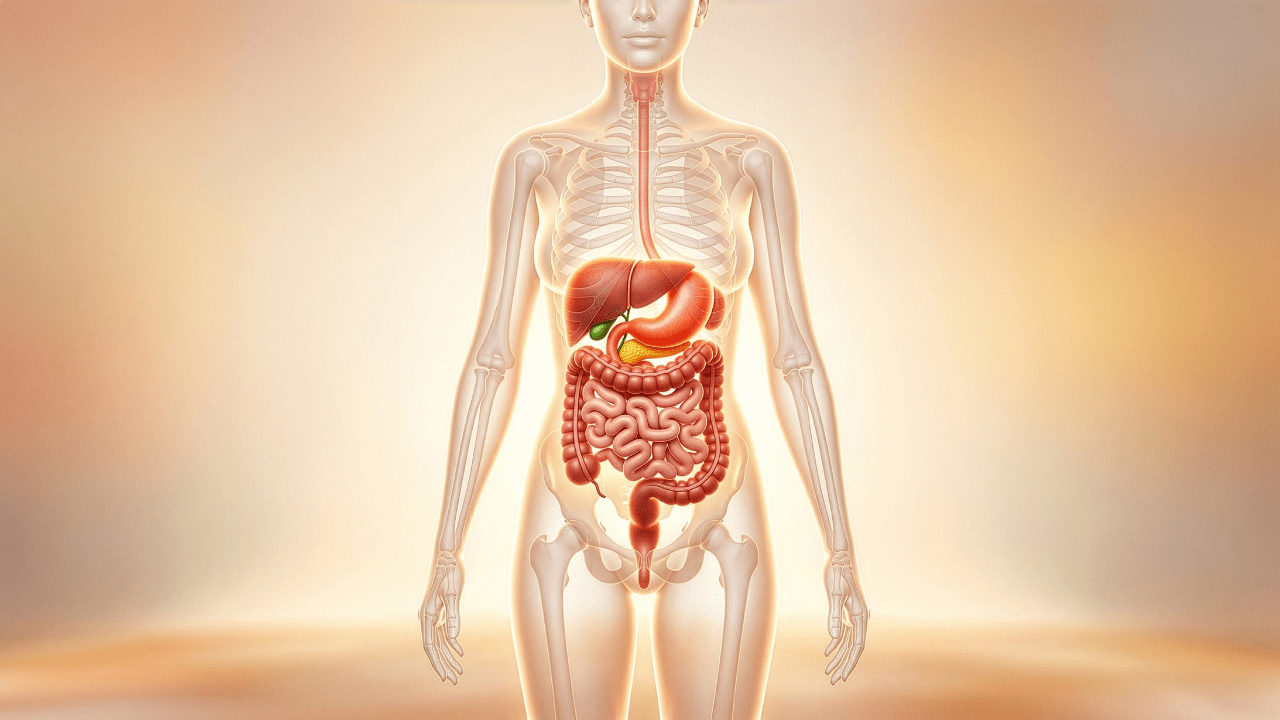
You cannot absorb nutrition well if your digestion is a mess. Bloating, constipation, reflux, irregular bowel movements, and food sensitivities are not separate from metabolism. They are part of the bigger picture.
Your gut influences inflammation, blood sugar, hormone clearance, cravings, and even mood. If your body is inflamed and undernourished at a cellular level, fat loss becomes harder and energy production suffers. This is a big one for your metabolism!
For many women, healing digestion starts with basics that are not glamorous but work: chewing food properly, eating in a calmer state, staying hydrated, increasing fiber gradually, and identifying foods that trigger symptoms. Sometimes the issue is not just what you eat, but how your body is processing it.
Sleep like it is part of the plan, because it is
You cannot heal a stressed metabolism on five hours of sleep and a strong personality. Sleep affects hunger hormones, insulin sensitivity, recovery, mood, and your ability to make decent decisions when someone brings doughnuts into the office.
When sleep is poor, ghrelin tends to rise and leptin tends to drop. Translation: you feel hungrier and less satisfied. Add stress and a busy schedule, and suddenly your evening cravings make perfect biological sense.
Better sleep hygiene will not solve every health issue, but it can move the needle fast. A consistent bedtime, less screen time late at night, enough daylight in the morning, and a calmer evening routine all help. If you snore, wake often, or feel exhausted no matter how long you sleep, it may be worth getting deeper support.

Stress is a metabolism issue, not just a mindset issue
Many women are trying to heal in a body that never gets a break. Work stress, family demands, poor sleep, unresolved emotional stress, overtraining, under-eating - it all adds up. Your body does not separate these neatly into categories. It simply reads stress and responds.
One response is higher cortisol. Cortisol itself is not bad. You need it. But when it stays elevated for too long, it can disrupt blood sugar, increase cravings, affect thyroid function, worsen sleep, and encourage belly fat storage. Fun times.
If you want lasting change, stress management cannot be the optional self-care cherry on top. It needs to be built into your routine. That might look like walking, prayer, breath work, journalling, strength training instead of punishing workouts, boundaries with your schedule, or simply eating lunch sitting down like a human being.
Move in a way that builds, not depletes
Exercise can support metabolism, but more is not always better. If you are exhausted, inflamed, and running on fumes, hammering yourself with daily bootcamp classes may not be the answer.
Strength training is one of the most useful tools for metabolic recovery because it helps preserve and build lean muscle, improves insulin sensitivity, and supports healthy aging. Walking is also underrated. It helps with blood sugar, stress reduction, digestion, and recovery without adding more strain.
There is a trade-off here. Intense exercise has benefits, but if it leaves you starving, sore for days, and too tired to function, it may be too much for your current season. The right plan should challenge your body without punishing it.

Hormones matter, but they are not the whole story
Many women assume their metabolism changed overnight because of age or hormones. Hormones absolutely matter, especially during perimenopause and menopause. Lower estrogen, changes in progesterone, shifts in insulin sensitivity, and rising stress loads can all affect weight, energy, and body composition.
But hormones are not a reason to give up. They are a reason to be more strategic. The body often responds well when blood sugar is stable, digestion is supported, sleep improves, stress comes down, and muscle is maintained. In other words, the basics become even more important, not less.
This is also where personalized support can help. If you are dealing with thyroid issues, severe fatigue, cycle changes, digestive problems, or medication-related weight gain, a one-size-fits-all plan may not be enough. It depends on your history, symptoms, and how long your body has been under pressure.
What natural healing usually looks like in real life
For most women, metabolism does not heal in a straight line. You may lose inches before pounds. Your cravings may improve before the scale moves. You may sleep better, have more energy, and feel less bloated before you notice visible body changes.
That does not mean nothing is working. It often means your body is stabilizing first. And that is exactly what should happen.
At Coach With Chris, this is why the focus is not just on eating less and moving more. Real transformation comes from restoring health in a structured way so the body can finally respond again. When women address food quality, meal timing, digestion, stress, sleep, mindset, and movement together, the results are far more sustainable.
A better question than how to heal metabolism naturally
A better question might be this: what is my body trying to tell me?
If your metabolism feels stuck, your body may be asking for nourishment instead of restriction, recovery instead of more pressure, and a plan that actually fits your life. You do not need more punishment. You need a method that works with your biology.
Start with one or two changes you can actually sustain. Eat enough protein. Stop skipping meals. Go to bed earlier. Strength train a couple of times a week. Support your digestion. Breathe before you eat. Not flashy, but very effective.
Your body is not failing you. It is responding to the conditions it has been given. Change the conditions, and you give your metabolism a real chance to heal. You've got this! Reach out if you need support!


0 comments