


You can eat the salad, skip the sweets, squeeze in a workout, and still feel like your body is ignoring the memo. If that sounds familiar, the sleep and metabolism connection may be the missing piece. For many women over 40, especially busy moms and professionals, poor sleep is not just annoying. It can quietly push hunger up, energy down, and fat loss into stubborn territory.
This is where a lot of conventional weight-loss advice falls apart. It acts like your body is a simple math equation. Eat less, move more, problem solved. But your body is not a calculator. It is a living, hormonal, stress-responsive system. When sleep is off, metabolism often follows.
Why the sleep and metabolism connection matters so much
Sleep is when your body repairs tissue, balances hormones, regulates blood sugar, and resets appetite signals. If you are getting broken, short, or poor-quality sleep, those systems do not perform at their best the next day.
That can show up in ways you already know well. You wake up tired and reach for more caffeine. By mid-afternoon, cravings hit hard. You feel less motivated to move, more reactive with food, and somehow still hungry after eating. This is not a lack of willpower. It is often biology doing what biology does under stress.
When sleep is consistently poor, your body may become less efficient at using insulin, which can make blood sugar swings and fat storage more likely. Hunger hormones can also shift. Ghrelin, which helps stimulate appetite, tends to rise. Leptin, which helps signal fullness, can drop. Put simply, your body starts asking for more fuel while making it harder to feel satisfied.
Not exactly a fair fight when you are already trying to lose weight.
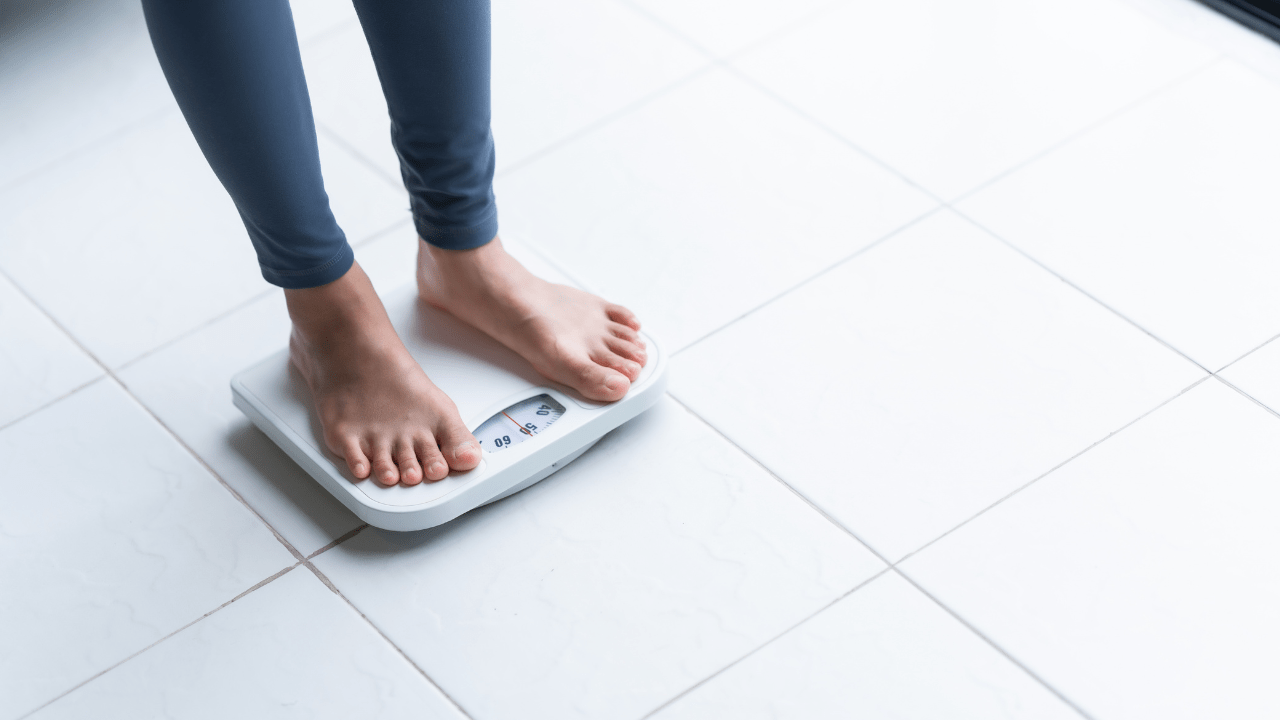
How poor sleep can slow fat loss
The sleep and metabolism connection is not only about feeling tired. It affects the conditions that make fat loss easier or harder.
Sleep can raise stress hormones
When you do not sleep enough, cortisol often stays higher than it should. Cortisol is useful in the right amount. It helps you wake up and respond to demands. But when it stays elevated, it can increase cravings, disrupt blood sugar, and encourage your body to hold on to belly fat.
This matters even more if your life already feels full throttle. Work deadlines, caregiving, perimenopause, aging parents, house logistics, everyone needing something from you at once - your nervous system does not exactly think you are on vacation. Add poor sleep to that mix and your body can stay stuck in survival mode.
Sleep affects blood sugar control
Even a few nights of poor sleep can reduce insulin sensitivity. That means your body may have a harder time moving glucose out of the bloodstream and into cells where it can be used for energy. The result can be more energy crashes, more cravings, and a stronger tendency to store excess energy as fat.
If you have ever felt shaky, ravenous, or desperate for carbs after a rough night, you have experienced part of this firsthand.
Sleep changes food choices
When you are overtired, your brain tends to favour quick energy. That usually means more sugar, more processed carbs, and more snacking. It is not because you suddenly forgot your goals. It is because fatigue reduces the mental bandwidth needed for planning, patience, and restraint.
This is one reason women can feel like they are doing well all day and then lose the plot at 9 p.m. The issue is not character. It is a tired brain and a stressed body looking for relief.

Sleep influences movement and recovery
When sleep is poor, workouts feel harder and recovery takes longer. You may move less overall without realizing it. You fidget less, walk less, skip strength training, or drag yourself through the day doing only what is absolutely necessary.
That drop in daily movement may seem small, but over time it matters. Good sleep helps support consistency, and consistency is where metabolism-friendly habits start paying off.
Why women over 40 feel this even more
Hormones change with age, and that changes sleep. Many women in perimenopause and menopause deal with night waking, hot flashes, anxiety, and lighter sleep. At the same time, declining estrogen can affect insulin sensitivity, body fat distribution, and stress resilience.
So if you are doing all the "right" things and your body still feels harder to manage than it did ten years ago, you are not imagining it. Your physiology is shifting. That does not mean you are broken. It means your strategy needs to match the season of life you are in.
This is also why punishing yourself with stricter diets or more cardio often backfires. If your body is already stressed and underslept, adding more pressure is like trying to fix a dead phone battery by opening twelve more apps.

What better sleep can do for your metabolism
Better sleep does not magically melt body fat overnight. Anyone promising that is selling fairy dust in a wellness bottle. But improved sleep can create the internal conditions that make healthy weight loss more realistic and more sustainable.
When sleep improves, many women notice steadier energy, fewer cravings, better mood, better digestion, and more control around food. Workouts feel more doable. Recovery improves. Blood sugar is often more stable. Hunger feels less chaotic.
Those changes matter because they make healthy habits easier to maintain. And the habits you can maintain are the ones that change your body.
How to support the sleep and metabolism connection naturally
You do not need a perfect nighttime routine with lavender clouds and a flute soundtrack. You need a few habits that calm the body and support a healthy rhythm.
Start with a consistent sleep window
Going to bed and waking up at roughly the same time helps anchor your circadian rhythm. Your body likes predictability. If your schedule is all over the place during the week and then wildly different on weekends, sleep quality often suffers.
Aim for consistency before chasing perfection. Even a 30- to 60-minute regular window can help.
Eat in a way that supports stable blood sugar
What you eat affects how you sleep, and how you sleep affects what you eat. That loop is very real. Balanced meals with protein, fiber, and healthy fats can help reduce evening cravings and overnight blood sugar dips that may wake you up.
For some women, under-eating all day is a big part of the problem. Coffee for breakfast, a rushed lunch, then grazing and overeating at night is a common pattern. Your body does not love that plan, even if diet culture said it was discipline.

Be smart with caffeine and alcohol
If you are relying on caffeine to survive the day, it may be sabotaging the night. Caffeine can linger in the body for hours, especially as we age. Alcohol might make you sleepy at first, but it often reduces sleep quality and increases night waking.
This does not mean you can never enjoy either. It means timing and amount matter. It depends on your sensitivity, stress level, and current sleep quality.
Train in a way that helps, not harms
Exercise supports metabolism, but more is not always better. If you are exhausted, inflamed, and running on fumes, intense daily workouts may add more stress than benefit.
Strength training, walking, mobility work, and strategic conditioning often support metabolism far better than punishing cardio marathons. The goal is to build a healthier body, not win a suffering contest.
Create a real wind-down routine
Your body cannot go from emails, laundry, doom-scrolling, and family logistics to deep restorative sleep in five minutes. A short wind-down routine can help signal safety and calm.
That might look like dimming lights, putting your phone away earlier, stretching, reading, journaling, or taking a warm shower. Simple works. Consistent works better.
Look at the deeper root if sleep is still a mess
Sometimes poor sleep is not just about habits. Hormonal changes, blood sugar issues, digestive stress, sleep apnea, nutrient deficiencies, high stress, or unresolved health concerns can all play a role.
If you have tried the basics and nothing changes, that is a sign to look deeper rather than blame yourself. In a holistic coaching approach like Coach With Chris, this is where sleep gets treated as part of the full health picture, not a side note.

If fat loss feels stuck, do not ignore sleep
Many women spend months trying to fix weight gain by tightening food rules while their body is waving a giant sleepy white flag. If your cravings are intense, your energy is flat, your belly fat is hanging on, and your motivation disappears by evening, sleep deserves attention right alongside food, movement, and stress.
You do not need to earn rest. You need rest so your body can work with you again.
The sleep and metabolism connection is not hype. It is one of the clearest examples of why health restoration comes before lasting weight loss. When you start supporting your body instead of fighting it, progress often stops feeling so impossible. Sometimes the next best step for your metabolism is not eating less. It is getting to bed. You've got this!

0 comments