

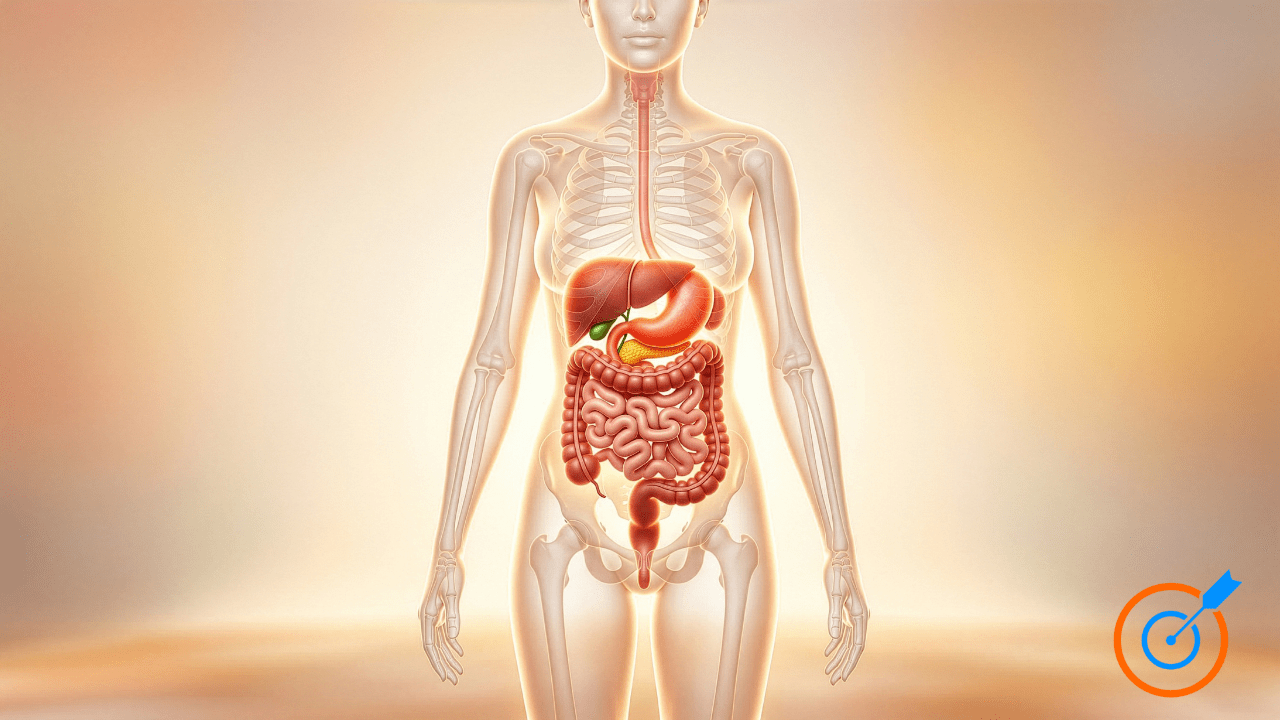
That 3 p.m. bloat, the heavy feeling after dinner, the constipation that comes and goes, the random heartburn that seems to show up out of nowhere - none of it is normal just because it is common. If you have been Googling how to improve digestion naturally, there is a good chance your body has been asking for support for a while now.
And here is the part many women miss. Poor digestion is not just a stomach problem. It can show up as fatigue, cravings, skin issues, brain fog, stubborn weight gain, poor sleep, and that frustrating feeling that your body is working against you. When digestion is off, everything feels harder.
Why digestion matters more than most women realize
Digestion is where your body breaks food down, absorbs nutrients, regulates elimination, and supports a healthy gut environment. If that process is sluggish or irritated, you can eat "healthy" foods and still feel terrible.
This is especially true for women over 40. Hormone changes, chronic stress, poor sleep, years of dieting, rushed meals, antibiotics, and processed foods can all chip away at gut function. Then the symptoms start piling up. Bloating becomes normal. Constipation becomes normal. Feeling uncomfortable after meals becomes normal. It is common, yes. Normal, no.
The goal is not to chase symptoms with random supplements and hope for a miracle by next Tuesday. The real fix is to support digestion consistently, in a way your body can actually respond to.

How to improve digestion naturally without overcomplicating it
The good news is that digestion often improves with basic habits done well. Not sexy, but effective. Your gut does not need a motivational speech. It needs consistency.
Slow down when you eat
If you eat standing at the counter, while answering emails, or while driving your kids to hockey, your body is not in a relaxed digestive state. Digestion starts before the first bite. The sight, smell, and anticipation of food help trigger stomach acid, digestive enzymes, and bile flow.
When you eat in a stressed, rushed state, your body prioritizes survival over digestion. That can lead to bloating, gas, heaviness, and poor nutrient absorption.
Sit down. Take a breath before you eat. Chew your food well. This sounds almost too simple, but it works. Many women are swallowing food half-chewed and then wondering why their stomach feels like a cement mixer.
Support stomach acid instead of fearing it
A lot of digestive symptoms that feel like "too much acid" can actually be linked to low stomach acid. That includes bloating after meals, burping, feeling overly full, and trouble digesting protein-rich meals.
Stomach acid is essential. It helps break down food, absorb nutrients like iron and B12, and protect you from unwanted bacteria. If it is low, digestion slows down and symptoms can snowball.
This does not mean every woman with heartburn should self-diagnose and start throwing supplements at the problem. It means the issue is often more nuanced than people think. Eating more slowly, reducing overeating, managing stress, and limiting late-night meals can all help. Some women also do well with bitter foods before meals, like arugula, lemon water, or apple cider vinegar diluted in water, but it depends on the person. If you have reflux, ulcers, gastritis, or ongoing pain, get proper guidance before experimenting.
Eat enough fiber, but do not force it overnight
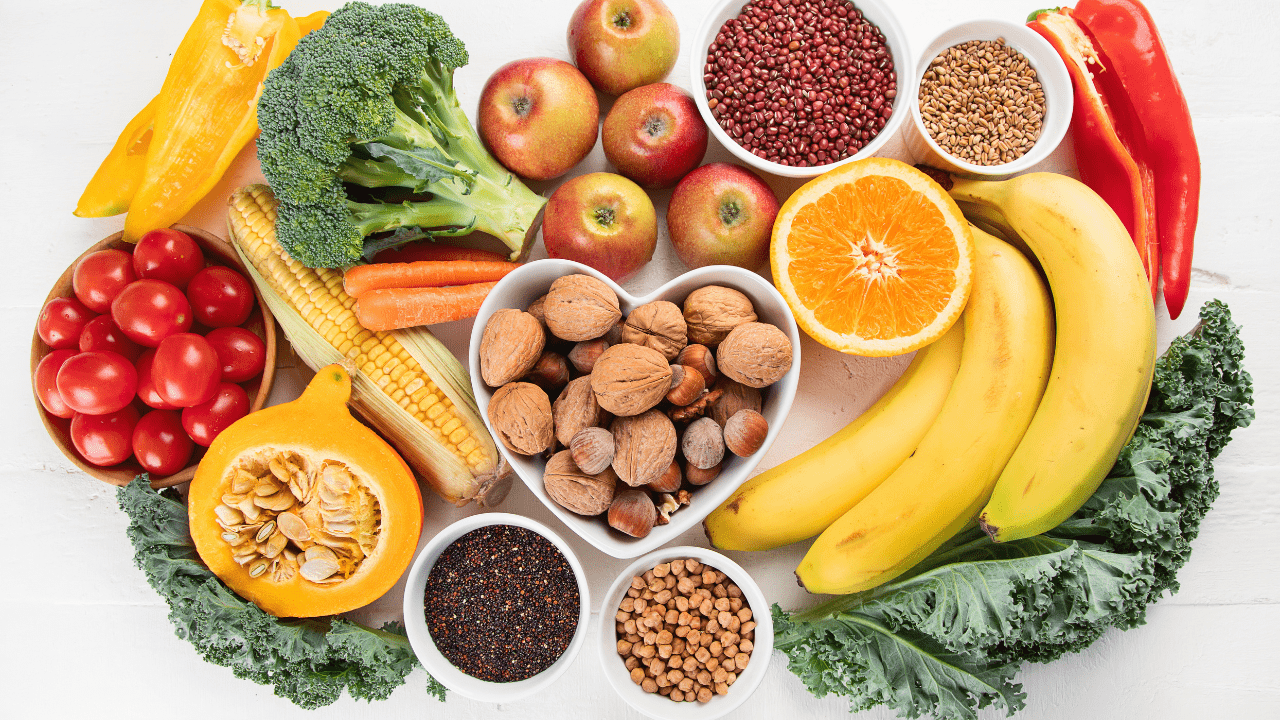
Fiber helps move waste through the bowels, feeds beneficial gut bacteria, and supports blood sugar balance. It is one of the best tools for better digestion, but more is not always better right away.
If your current fiber intake is low and you suddenly start loading up on bran cereal, raw kale salads, and giant smoothies, your gut may protest loudly. Hello, gas and bloating.
A smarter approach is to increase fiber gradually. Add cooked vegetables, berries, chia seeds, lentils, oats, and ground flax over time. Drink enough water alongside it. If you are severely bloated with high-fiber foods, that is useful information. It may point to deeper gut issues rather than a need to just eat even more salad.
The gut habits that make a real difference
Hydration matters more than most people think
Constipation is not always a fiber problem. Sometimes it is a water problem. Your colon pulls water from waste, and when you are dehydrated, stools become harder and more difficult to pass.
Start your day with water and keep it going throughout the day. Coffee does not count as a personality trait or a hydration strategy. It can fit into a healthy routine, but relying on caffeine while barely drinking water is not doing your digestion any favours.

Pay attention to trigger foods, but do not go food-phobic
If digestion feels off, it can help to notice patterns. Common triggers include highly processed foods, excess sugar, fried foods, too much alcohol, carbonated drinks, and large amounts of dairy or gluten for some women.
That said, not every uncomfortable symptom means you need to cut out 14 food groups and live on chicken and zucchini forever. Elimination diets can be useful short term, but they should be strategic, not fear-based. The goal is to identify what your body tolerates and what it does not, then build from there.
Often, the issue is not just the food itself. It is the amount, the timing, the speed of eating, the stress level, and the overall health of the gut.
Move your body daily
A sedentary lifestyle slows everything down, including digestion. Gentle daily movement helps stimulate the intestines and supports regular bowel movements. You do not need punishing workouts for this.
A walk after meals can be incredibly effective for bloating, blood sugar balance, and that sluggish, backed-up feeling. This is one of those underrated habits that sounds boring and works anyway. Very rude, honestly.
Protect your gut from chronic stress
Stress changes digestion fast. It can reduce stomach acid, alter gut motility, affect the microbiome, and make symptoms feel worse even when food has not changed.
If your body is in a constant state of pressure, urgency, and overdrive, your digestion will usually reflect that. This is one reason busy women can eat well on paper and still feel inflamed and uncomfortable.
You do not need a two-hour morning routine with candles and ocean sounds. But you do need some form of nervous system support. Deep breathing before meals, short walks, better boundaries, less multitasking, and a more consistent sleep routine all matter.
How to improve digestion naturally when your symptoms keep coming back
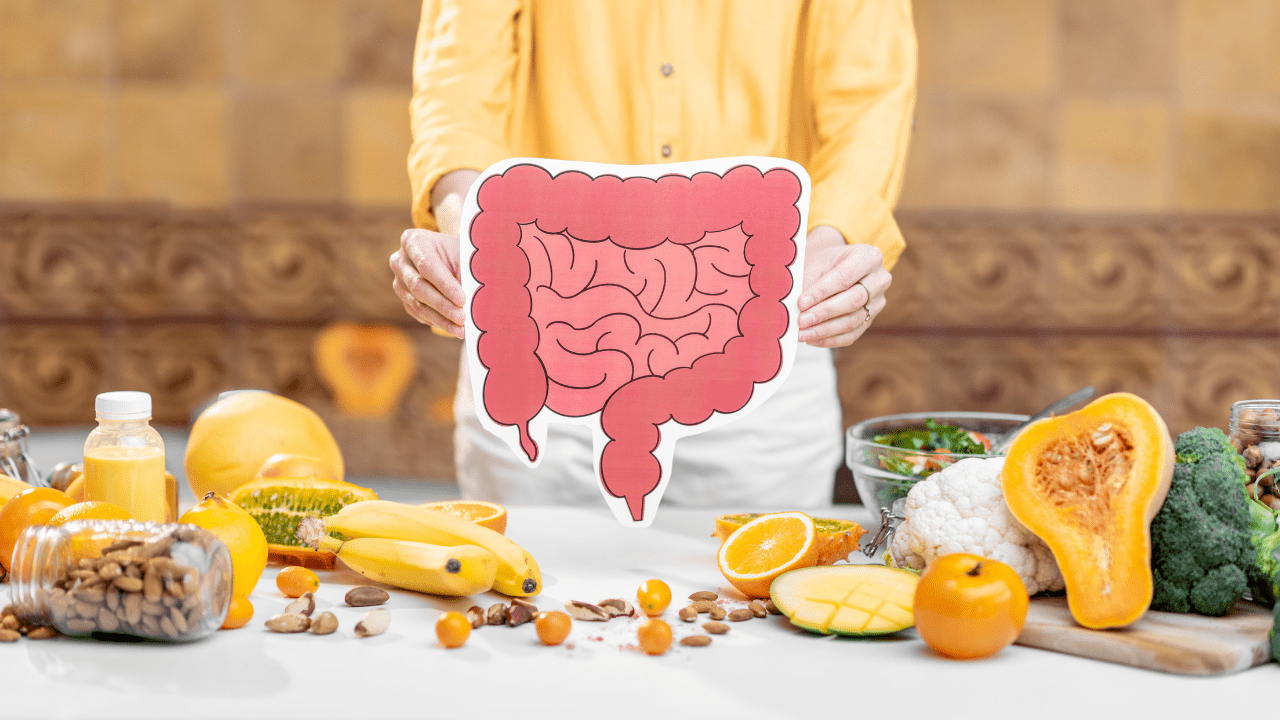
If symptoms are persistent, there may be a deeper reason your digestion is struggling. Recurrent bloating, constipation, diarrhea, reflux, or pain can be linked to issues like low stomach acid, food sensitivities, gut dysbiosis, IBS, gallbladder dysfunction, medication use, or poor meal hygiene over time.
This is where random online advice can become frustrating. One person tells you to take probiotics. Another says probiotics ruined her life. Someone else swears celery juice changed everything. Your gut is now confused, and so are you.
The better approach is to look at patterns and root causes. Ask what is happening before symptoms show up. Are you skipping meals and overeating at night? Eating on the run? Living on protein bars? Not pooping daily? Constantly stressed? Taking medications that affect digestion? These details matter.
In holistic coaching, digestion is often part of a bigger health picture. Poor gut function can make it harder to regulate appetite, support hormones, reduce inflammation, and lose weight sustainably. That is why at Coach With Chris, digestion is not treated like a side issue. It is part of restoring the body so weight loss becomes a result of better health, not another punishment plan.
Natural digestion support that is actually sustainable
If you want your digestion to improve, think rhythm over perfection. Your body likes regular meals, enough water, whole foods, movement, and a calmer eating environment. It responds well to consistency.
That may mean having breakfast instead of running on coffee until noon. It may mean cooking more often, eating fewer ultra-processed foods, or stopping the nightly snack marathon that starts with "I deserve this" and ends with heartburn. No judgment. Just honesty.
It also means respecting your symptoms. If you are dealing with severe pain, blood in the stool, unexplained weight loss, ongoing vomiting, or major changes in bowel habits, do not try to solve it with ginger tea and positive thinking. Get assessed.
Most women do not need more extreme rules. They need a plan that calms the gut, supports the body, and fits real life. Better digestion is not built through restriction. It is built through smarter habits, better awareness, and giving your body what it has likely been missing for years.
Your gut is not asking you to be perfect. It is asking you to pay attention. Reach out if you need support!



0 comments