


You finish dinner, clean the kitchen, maybe even tell yourself, “That was a solid meal,” and then 45 minutes later you’re standing in front of the pantry like it personally offended you. If you’ve been asking, why am I hungry after dinner, you are not weak, or doomed to snack forever. Evening hunger usually has a reason, and once you understand the pattern, you can fix it.
For many women over 40, this is not just about willpower. It is often tied to blood sugar balance, stress, hormones, sleep, meal composition, and the habits that build up during a full day of doing everything for everyone else. Your body is giving feedback. The goal is to stop fighting it and start reading it properly.
Why am I hungry after dinner? Start with the obvious, then go deeper
Sometimes the answer is simple. You are genuinely hungry because dinner was too small, too low in protein, or mostly carbs that left you full for an hour and hungry again by bedtime. But if this happens often, there is usually more going on than “I just like snacks.”
Real hunger after dinner can show up as a physical need for food. You may notice your stomach feels empty, your energy drops, or you start thinking about anything crunchy, salty, sweet, or all three. Other times, it is more of a craving than hunger. That difference matters.
Physical hunger tends to build gradually and can be satisfied with a balanced snack or meal. Cravings often feel urgent and specific. They usually show up when your body is overtired, underfed, overstressed, or looking for comfort. That does not make them imaginary. It just means the solution is not always “eat less.”
Your dinner may not be doing its job
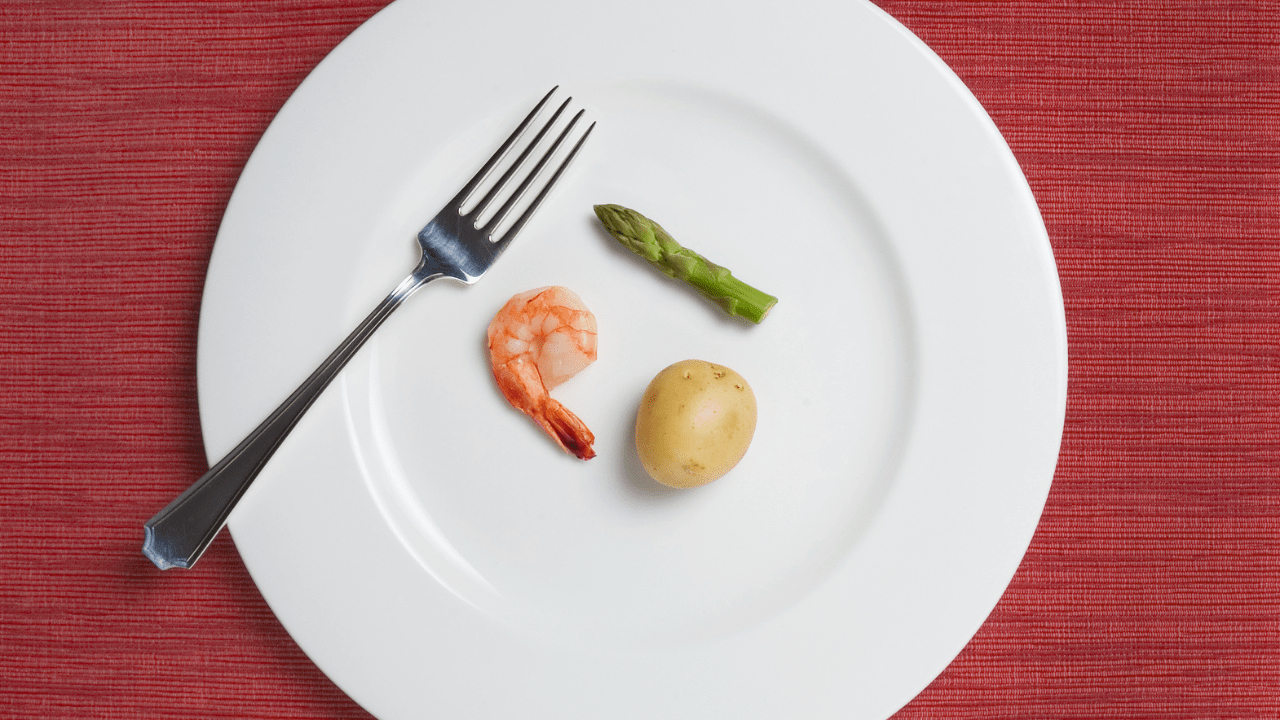
A lot of women eat what looks like a healthy dinner but still end up hungry because the meal is not balanced enough to create real satiety. Salad with a little chicken, a bowl of pasta, soup and crackers, or a protein shake at the end of a long day can all leave you undernourished.
The most satisfying dinners usually include enough protein, fiber-rich carbs, healthy fats, and volume from vegetables. If one of those pieces is missing, hunger can show up quickly. Protein is especially important here because it helps regulate appetite and keeps you fuller longer. If dinner only has a small amount of protein, your body may come asking for the rest later.
Carbs are not the enemy, but low-fiber or highly processed carbs on their own digest quickly. That can lead to a spike in blood sugar followed by a dip that feels like hunger. So yes, you can eat dinner and still be hungry because your body is chasing stable energy, not trying to sabotage your progress.
Under-eating earlier in the day catches up at night
This is one of the biggest drivers of evening hunger, especially for busy women who run on coffee, grab a light lunch, and promise themselves they will be “good” all day. Then dinner happens, and an hour later the snack parade begins.
Your body keeps score, even when your app says you are being disciplined. If breakfast was tiny, lunch was rushed, and stress was high, your nervous system and metabolism often push back in the evening. This is when cravings intensify and portion control becomes much harder.
Night eating is often not a lack of control. It is delayed biology. If you have been under-fueling all day, your body is smart enough to ask for more when life finally slows down.

Stress changes hunger in sneaky ways
If your evenings are the first moment you actually sit down, stress may be a major reason you feel hungry after dinner. High cortisol can affect blood sugar, appetite, cravings, and your ability to feel satisfied. It can also create that “I need something” feeling even when your stomach is not truly empty.
For some women, stress shuts down appetite during the day and ramps it up at night. For others, stress creates a need for comfort and reward. Food becomes the exhale. Again, this is not a character flaw. It is a pattern your body and brain have learned.
The fix is not just tighter food rules. It often means building steadier meals, slowing down enough to eat them, and creating evening routines that calm your system without relying only on food.
Poor sleep can make evening hunger worse
If you are sleeping badly, your hunger signals can feel completely out of whack. Short sleep and broken sleep can increase hunger hormones, reduce fullness signals, and make you more likely to want quick energy in the form of sugar or snack foods.
This matters a lot for women in midlife, especially if hormones are shifting and sleep quality is taking a hit. You might think the issue is self-control after dinner when the real problem started the night before.
If this sounds familiar, look at the whole cycle. Better evening eating can support better sleep, and better sleep can reduce next-night cravings. Health works like that. Everything is connected, which is annoying, but also useful.

Hormones and blood sugar may be part of the story
If you keep asking, why am I hungry after dinner, and it happens no matter how “good” you are, hormones may be involved. Changes related to perimenopause, menopause, insulin resistance, and chronic stress can all affect appetite regulation.
When blood sugar is unstable, hunger can feel intense and sudden. You may notice you get sleepy after meals, crave sweets at night, or feel like you need a little something after every dinner. Those are clues worth paying attention to.
This does not mean you need an extreme diet. Usually, it means your body needs more stability, not more restriction. Balanced meals, regular eating, better sleep, stress support, and improved metabolic health often make a bigger difference than cutting out entire food groups and being miserable about it.
Sometimes it is not hunger. It is habit
There is also the very real possibility that your body has linked certain evening activities with food. TV means chips. Cleaning up means dessert. Kids in bed means wine and something crunchy because you survived another day and deserve a medal.
Habits are powerful because they feel natural. If you eat after dinner every night, your brain starts expecting it. You can feel hungry simply because the cue is there, even if dinner was enough.
That does not mean you have to white-knuckle your way through the evening. It means you need to interrupt the pattern with something more intentional. A herbal tea, a walk, a shower, reading, stretching, or simply brushing your teeth can create a new signal. Small shifts done consistently beat dramatic rules every time.
What to do if you are hungry after dinner
Start by telling the truth about what is happening. If you are physically hungry, eat. The better question is whether your earlier meals and your dinner are setting you up properly.
Look at your plate first. Aim for a dinner with a solid portion of protein, vegetables, fiber-rich carbs, and healthy fat. Then look at your day. If you are skipping meals, eating too little, or relying on caffeine to get through the afternoon, fix that before blaming yourself for nighttime hunger.
Next, slow down when you eat dinner. If you are standing at the counter, finishing your child’s leftovers, and answering texts between bites, your fullness signals may not register well. Sit down. Chew. Let your body catch up. This sounds basic because it is basic, and basic habits are usually where results come from.
If hunger still hits later, choose a purposeful snack instead of entering the kitchen free-for-all. Something with protein and fiber usually works better than sweets on their own. Greek yogurt with berries, apple with nut butter, or cottage cheese with cinnamon can actually satisfy you instead of waking up more cravings. (The goal is to not physically need a snack.)
And if the issue feels bigger than dinner, it probably is. This is where a coaching-based approach can help because the goal is not to patch one snack attack. The goal is to understand the full pattern and restore the systems behind it.

When to pay closer attention
If post-dinner hunger is intense, happens nightly, comes with strong sugar cravings, fatigue, digestive issues, or weight gain that feels impossible to shift, it is worth looking deeper. Your body may be asking for support with blood sugar regulation, gut health, sleep, stress, or hormones.
At Coach With Chris, this is the kind of thing we look at through a whole-body lens. Not because every craving is dramatic, but because recurring symptoms usually have a root cause. When you stop treating hunger like a personal failure and start treating it like information, things can finally change.
You do not need more guilt about eating at night. You need a better holistic strategy, a more supported body, and a routine that works in real life. If your body keeps asking for food after dinner, listen closely. It may be asking for balance, not another round of self-blame. Reach out if you need support!


0 comments