

If you feel like you are doing everything right - eating less, trying to be "good," squeezing in workouts when life allows - and the scale still will not budge, your gut might be part of the problem. Gut health and weight loss are more connected than most women have been told, especially when bloating, cravings, fatigue, constipation, and stubborn belly fat keep showing up like uninvited houseguests.
This is where a lot of women get frustrated. They assume the issue is discipline. It usually is not. When your gut is inflamed, sluggish, or out of balance, your body does not feel safe. And a body that does not feel safe is rarely excited about releasing weight.
Why gut health and weight loss are connected
Your gut does far more than digest food. It helps regulate hunger, blood sugar, inflammation, mood, immune function, and even how efficiently you extract calories from what you eat. That means when your gut is struggling, your whole weight-loss process can feel harder than it should.
A disrupted gut can influence appetite hormones like ghrelin and leptin, making you feel hungrier, less satisfied, or more drawn to sugar and refined carbs. It can also affect how well you break down food, absorb nutrients, and move waste out of the body. If that system is not working properly, you can be undernourished and inflamed at the same time, which is a deeply unfair combo.
Then there is blood sugar. When your gut lining is irritated or your microbiome is out of balance, your body can become more reactive to certain foods. That can lead to energy crashes, cravings, and a constant cycle of reaching for quick fuel. Many women think they have no willpower. Often, they just have physiology working against them.
What poor gut health can look like
Not every gut issue looks dramatic. You do not need to be doubled over in pain to have a gut problem affecting your progress. In fact, many women normalize symptoms for years.
Bloating after meals, constipation, loose stools, reflux, excess gas, skin flare-ups, brain fog, intense cravings, and feeling puffy or inflamed can all point to gut imbalance. So can waking up tired, relying on caffeine to function, and feeling like your stomach has its own chaotic personality.
If you are trying to lose weight and these symptoms are part of your normal, your body may be asking for support, not stricter dieting.
The microbiome matters more than most diets admit
Your gut microbiome is the community of bacteria and other microbes living in your digestive tract. Some support your health. Some do not. The goal is not perfection. The goal is balance.
When beneficial bacteria are well supported, they can help with digestion, fiber fermentation, regular bowel movements, and the production of compounds that support metabolism and gut lining integrity. When less helpful microbes start dominating, you may notice more cravings, more inflammation, and more digestive issues.
This is one reason two women can eat similarly and get very different results. Weight loss is not just about calories on paper. It is also about how your body processes food, how inflamed your system is, how stable your blood sugar stays, and whether your gut is helping or hindering the process.
That does not mean gut health is a magic fix. If your sleep is terrible, stress is sky-high, and meals are all over the map, the microbiome cannot carry the whole team. But it absolutely deserves a seat at the table.
Why dieting can make gut issues worse
Many weight-loss plans accidentally create the very problems that stall progress. They cut calories too low, rely on processed "diet" foods, remove too many food groups too quickly, or push women into a restrict-and-binge cycle. That can increase stress hormones, slow digestion, and reduce the variety of foods that support a healthy microbiome.
Low-calorie dieting can also leave you under-fueled, which affects stomach acid, enzyme production, bowel regularity, and energy. Then you are tired, craving everything in sight, and wondering why your body is acting dramatic. It is not dramatic. It is responding.
This is why sustainable fat loss usually works better when you focus on restoring health first. When digestion improves, inflammation settles, and your body gets the nutrients it needs, weight loss often becomes less of a fight.
How to support gut health and weight loss naturally
You do not need a cupboard full of powders and pills to start improving your gut. Most women need consistency more than complexity.
Start with regular meals
Skipping meals often backfires, especially if you already deal with cravings, fatigue, or hormone-related weight gain. Eating balanced meals consistently can support blood sugar, reduce stress on the body, and improve digestive rhythm. Aim for 3 meals a day.
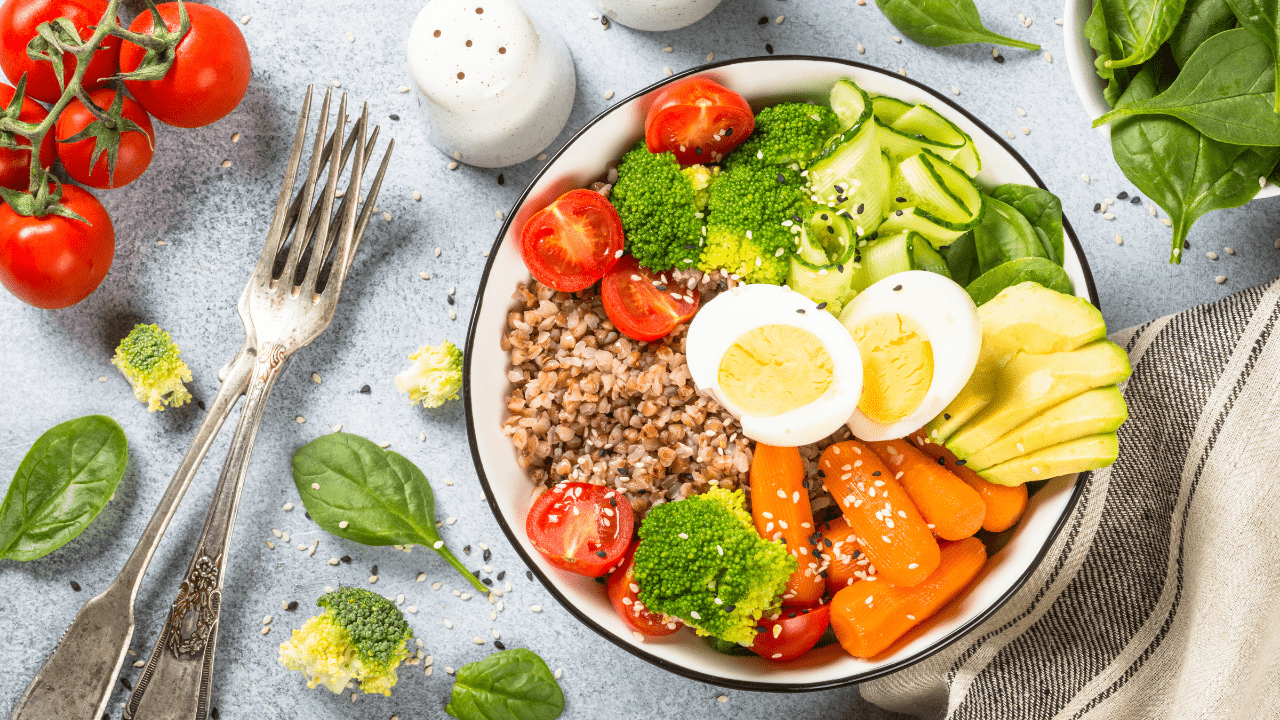
Aim for meals that include protein, fiber-rich carbs, healthy fats, and whole foods you tolerate well. This helps create steadier energy and gives your gut the raw materials it needs to function properly.
Increase fiber gradually
Fiber supports bowel movements, feeds beneficial gut bacteria, and helps with fullness. But if your gut is already irritated, adding a mountain of raw vegetables overnight is not a personality trait. It is a recipe for bloating.
Increase fiber slowly. Cooked vegetables, berries, oats, legumes, chia, and flax can all be helpful, depending on your tolerance. The right amount is the amount your body can handle consistently.

Support digestion, not just restriction
Many women eat while stressed, distracted, or standing at the kitchen counter inhaling leftovers like a raccoon in yoga pants. No judgment. But digestion works better when your nervous system is calmer.
Slow down at meals. Chew your food. Sit down. Breathe before you eat. These basics sound simple because they are, but they matter. Your body digests far better in a relaxed state than in a constant rush.
Watch the sugar and ultra-processed food load
This is not about never eating a treat again. It is about noticing patterns. A diet high in ultra-processed foods can crowd out nutrients, disrupt blood sugar, and make it harder to maintain a healthy gut environment.
If you are constantly hungry, bloated, and riding an energy roller coaster, start by upgrading the foods you eat most often. You do not need food rules that make life miserable. You need better daily inputs.
Get honest about stress
You can eat a beautiful salad and still have digestive issues if your nervous system is stuck in overdrive. Chronic stress affects stomach acid, gut motility, inflammation, sleep, and cravings. It can absolutely interfere with weight loss.
This is especially true for busy women who are caring for everyone else, juggling work, and treating rest like a reward they have not earned yet. Your body keeps score. If stress is high all day, healing the gut gets harder.
Be careful with supplements
Some supplements can help, but more is not better. Probiotics, magnesium, digestive enzymes, or gut-healing supports may be useful in the right situation, but random guessing gets expensive fast.
If your symptoms are persistent, severe, or confusing, proper guidance matters. There is a difference between supporting the gut and throwing trendy wellness products at it until something sticks.
When weight loss stalls, look beyond calories
Calories matter, but they are not the only lever. If you are under-eating, sleeping poorly, constipated, inflamed, and craving sugar every night, simply cutting food lower is often the worst move.
A better question is this: what is your body missing? Sometimes it is protein. Sometimes it is fiber. Sometimes it is meal structure, stress support, or digestive repair. Sometimes it is all of the above.
This is the kind of work that creates lasting change. Not another 14-day reset. Not a cleanse that leaves you fantasizing about crackers. Real health restoration.
For many women, that is the turning point. When they stop trying to bully their body into smaller jeans and start supporting it properly, things begin to shift. Energy improves. Bloating settles. Cravings calm down. Weight starts responding.
A better way to think about gut health and weight loss
Gut healing is not a side quest. For many women, it is part of the main path. It does not replace the need for good nutrition, strength training, sleep, and habits that actually fit your life. It supports all of them.
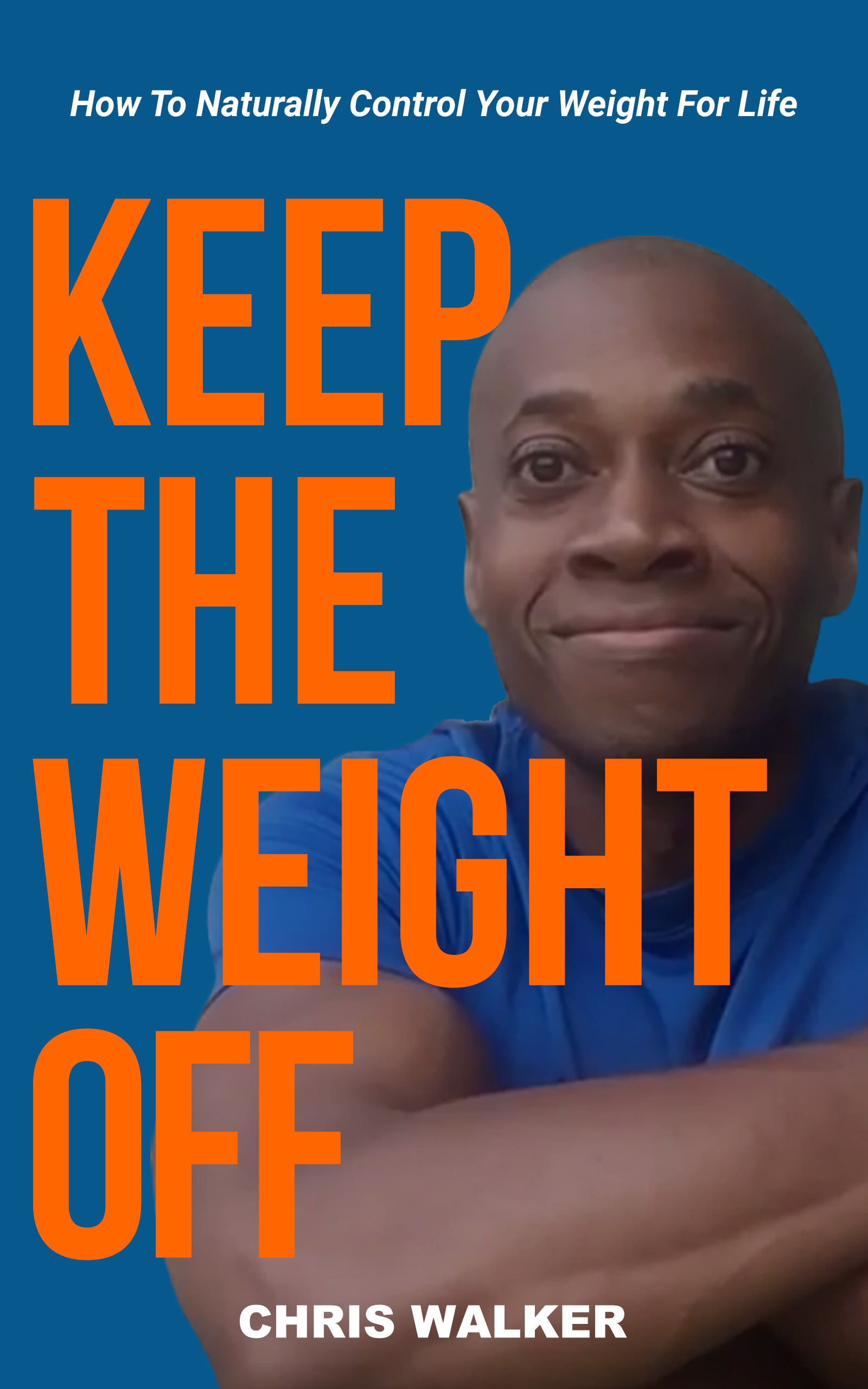
At Coach With Chris, this is why weight loss is approached as a health restoration process, not a punishment plan. Because when your body is functioning better, fat loss becomes more realistic, more sustainable, and a whole lot less miserable.
If your body has been sending signals for a while, listen to them. The goal is not to eat perfectly or chase another quick fix. The goal is to build a body that feels safe, nourished, and capable of change. Hope this helps!


0 comments