

If your usual healthy habits suddenly stopped working, you are not imagining it. A good perimenopause nutrition plan has to account for real hormonal shifts, slower recovery, changing sleep, rising stress, and the kind of cravings that seem to show up right when your willpower is hanging on by a thread.
This is the stage where many women start blaming themselves. They think they need more discipline, fewer carbs, harder workouts, or a fresh round of white-knuckle dieting. Usually, that just makes the problem worse. Perimenopause is not a personal failure. It is a metabolic and hormonal transition, which means your nutrition needs to work with these new changes you're going through.
Why your old eating plan stops working
In perimenopause, estrogen and progesterone begin to fluctuate. That can affect appetite, insulin sensitivity, mood, sleep, digestion, and where your body stores fat. For a lot of women, that means more belly fat, more energy crashes, and more evenings spent negotiating with a bag of chips.
On top of that, poor sleep raises hunger hormones and makes blood sugar less stable the next day. Chronic stress can push you toward more sugar, more caffeine, and more emotional eating. If digestion is off, you may also struggle to absorb nutrients well or feel constantly bloated. So when women tell me they are doing everything right and still not getting results, I believe them. The body is more connected than the old calorie math ever admitted.
That is why a perimenopause nutrition plan should not be built around eating less and hoping for the best. It should be built around blood sugar balance, protein intake, digestive support, inflammation control, and consistency you can actually maintain on a Tuesday when work is chaos and someone still expects dinner.

What a perimenopause nutrition plan should actually do
The goal is not just weight loss, although for many women that is part of the picture. The real goal is to create a body that feels stable again. You want fewer cravings, better energy, less afternoon fog, improved digestion, better sleep, and a metabolism that is not constantly being yanked around by stress and skipped meals.
A strong plan does three things at once. It supports hormone balance, helps preserve lean muscle, and makes it easier to stay consistent without obsession. Those three matter because perimenopause is often the stage when women feel like their body changed the rules overnight. Fair enough. So we change the strategy.
The foundation of a practical perimenopause nutrition plan
Start with protein. This is one of the biggest missing pieces for women over 40, especially those who are grabbing toast for breakfast, salad for lunch, and then wondering why they are prowling the kitchen after dinner. Protein helps with satiety, supports muscle mass, steadies blood sugar, and can make weight loss feel less like a punishment.
Protein
For most women, aiming for a solid protein source at each meal is a smart place to begin. Eggs, Greek yogurt, cottage cheese, chicken, turkey, fish, tofu, tempeh, legumes, and quality protein shakes can all fit. You do not need to eat like a bodybuilder. You just need enough to stop running on fumes.
Fiber
Next comes fiber. Fiber helps with blood sugar regulation, gut health, bowel regularity, and estrogen clearance. Translation: it matters a lot. Vegetables, berries, ground flax, chia, legumes, oats, and seeds can all help. If your digestion is already sensitive, increase fibre gradually rather than dropping a mountain of raw kale onto an unhappy gut and calling it wellness.
Healthy Fats
Healthy fats also matter, especially in this season. Avocado, nuts, seeds, olive oil, and fatty fish can support hormone health and keep meals satisfying. A low-fat diet often backfires here because it leaves women hungry, cranky, and raiding the pantry by 8 p.m.
Strategic Carbs
Then there are carbohydrates. Carbs are not the villain, but the type and timing and the amount matter. Many women do better with whole-food carbohydrates paired with protein and fat rather than eating refined carbs on their own. Think oatmeal with seeds and protein, or rice with salmon and vegetables, instead of living on muffins and coffee and calling it a busy-mom survival plan. I mean, honest points for survival, but your hormones are asking for better support.
How to build meals without overthinking it
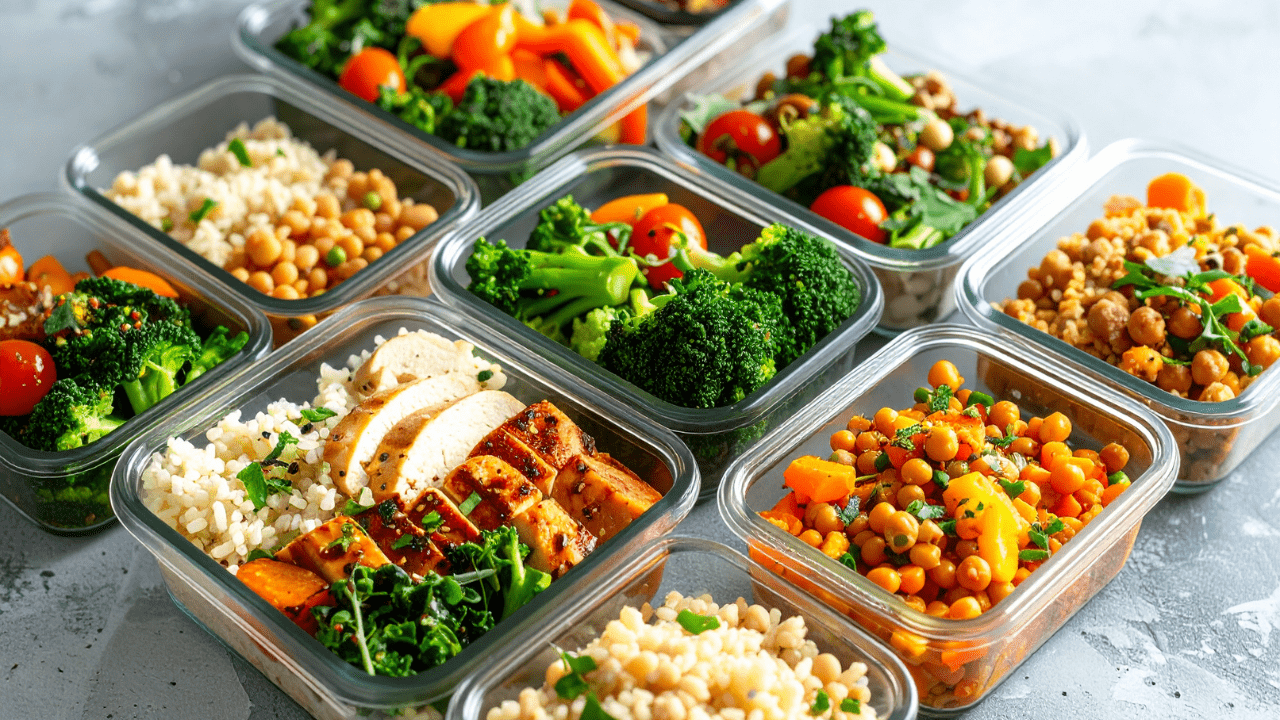
A simple template works well. At most meals, include a palm-sized portion of protein, a generous serving of vegetables, a smart portion of fiber-rich carbs, and some healthy fat. That combination tends to keep energy more stable than the classic pattern of under-eating all day and over-eating all night. I teach my clients how to do this easily with our Simple Eating System.
Breakfast or meal #1 matters more than many women realize. If you begin the day with only coffee and a granola bar, you may be setting yourself up for cravings, irritability, and energy dips later. A better breakfast might be eggs with sautéed vegetables and toast, Greek yogurt with berries, chia, and hemp hearts, or a smoothie with protein, berries, flax, and spinach.
Lunch should not be an afterthought. A protein-and-veggie-heavy salad with quinoa, leftovers from dinner, or a warm bowl with chicken, roasted vegetables, and rice are all practical options. Dinner can stay simple too. A protein, two vegetables, and a moderate serving of starch is often enough.
Snacks are not recommended and are generally a sign that the previous meal was lacking something. Meals with adequate protein and fiber helps prevent blood sugar crashes and evening overeating. If the meal was lacking in either protein or fiber and sometimes also fat cravings are usually the result.

What to reduce, without getting extreme
You do not need a dramatic food purge to see progress. In fact, overly restrictive plans often make perimenopause symptoms worse. But there are a few things worth watching.
Highly processed foods can drive cravings and make it harder to regulate appetite. Alcohol may hit harder in perimenopause too, especially for sleep, hot flashes, and weight gain. Excess sugar can worsen energy crashes. Too much caffeine, particularly on an empty stomach, can increase anxiety and stress hormone output in some women. Generally I recommend women remove alcohol, caffeine and have moderate dairy consumption.
That said, this is where nuance matters. Some women can tolerate coffee well. Others feel noticeably better when they cut back. Some do fine with moderate dairy, while others notice more bloating or skin issues. There is no gold star for forcing yourself to eat foods that clearly do not love you back.
Support the whole body, not just the scale
A perimenopause nutrition plan works best when it is part of a bigger health strategy. Sleep is not optional. If your sleep is broken, your hunger and stress hormones are more likely to be all over the place. Strength training matters because muscle supports metabolism and blood sugar control. Walking matters because it helps with stress, digestion, and insulin sensitivity without smashing your nervous system.
Digestive health matters too. Constipation, bloating, reflux, and irregular digestion are common in this phase, and they can make healthy eating feel harder than it needs to be. Slowing down at meals, chewing properly, drinking enough water, and being realistic about food sensitivities can all help.
This is also why cookie-cutter meal plans often fail. The right approach depends on your symptoms, your schedule, your stress level, your relationship with food, and whether you are dealing with insulin resistance, gut issues, or years of dieting history. A woman sleeping seven solid hours and lifting weights three times a week may need a different approach than a woman waking at 3 a.m. every night and surviving on caffeine and adrenaline.
The biggest mistake women make
They try to do too much at once.
They cut calories, cut carbs, start fasting, add extra workouts, and promise themselves they will never eat sugar again. Then real life happens. Work gets busy, hormones flare, someone brings donuts into the office, and the whole plan collapses by Thursday.
A better approach is structured and sustainable. Start with balanced meals. Increase protein. Eat regularly enough to support blood sugar. Reduce the foods that clearly trigger overeating. Improve sleep where you can. Build habits that still work when life is messy, because life will continue to be gloriously, inconveniently messy.
That is the kind of change that lasts. It is also the kind of work we believe in at Coach With Chris - restoring health so weight loss becomes a result, not the only goal.
When to get support with your perimenopause nutrition plan
If you feel stuck despite eating fairly well, do not assume you are lazy or broken. You may need a more personalized look at metabolism, gut health, stress, habits, or hormone-related patterns. Support can make a huge difference, especially when you are tired of guessing and even more tired of starting over.
The right plan should leave you feeling clearer, calmer, more in control, and physically better in your own body. Not perfect. Not obsessed. Just stronger, steadier, and no longer ruled by cravings and confusion.
Perimenopause can feel like your body changed the rules without warning. Fine. Learn the new rules, feed your body accordingly, and give it the kind of support that creates real change from the inside out. You've got this!

FAQ Related To Perimenopause Nutrition Plans
The best diet for perimenopause focuses on real, whole foods like vegetables, low-sugar fruits, quality protein, healthy fats, and calcium-rich foods to support hormone balance, muscle mass, bone health, and stable blood sugar levels. At the same time, cutting back on processed foods, added sugars, and alcohol can help reduce common symptoms like weight gain, belly fat, cravings, fatigue, mood swings, and hot flashes.
Lowering cortisol during perimenopause is important because hormonal changes can make your body more sensitive to stress, which can lead to weight gain, cravings, poor sleep, and stubborn belly fat. I recommend starting your day with a protein-rich breakfast to help stabilize blood sugar, focusing on strength training instead of excessive cardio to support metabolism, and creating a relaxing evening routine with things like meditation, deep breathing, prayer, or gentle stretching to help calm the nervous system and keep stress hormones in check.
The top 3 vitamins and nutrients I recommend for perimenopause are Vitamin D3, Magnesium, and B Vitamins. Vitamin D is essential for bone health, immune function, and mood as estrogen levels begin to decline. Magnesium can help support better sleep, reduce stress, ease muscle tension, and improve blood sugar balance. B Vitamins are especially important for women dealing with stress, fatigue, brain fog, and low energy because they help support the nervous system, energy production, and a healthy stress response.

0 comments