

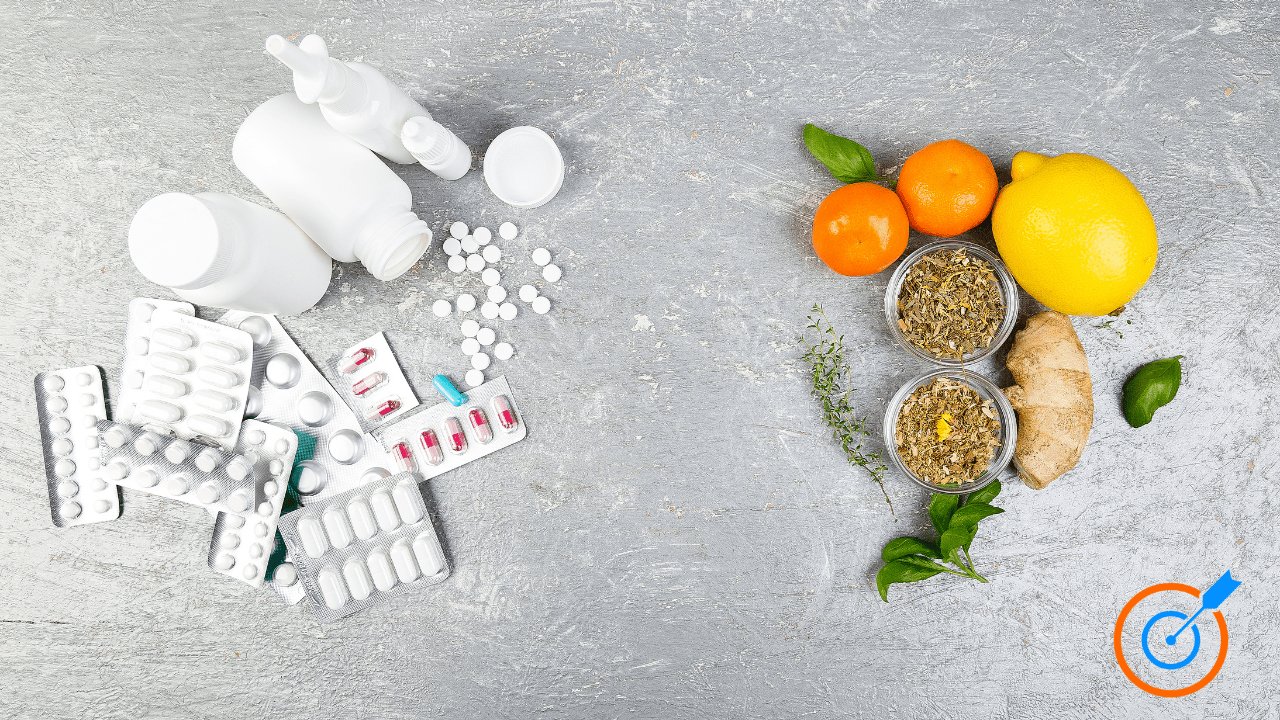
A lot of women don’t start asking about weight loss drugs because they’re lazy or looking for a shortcut. They ask because they’re exhausted. They’ve tried cutting carbs, counting points, skipping meals, white-knuckling cravings, and pretending that five hours of broken sleep is "fine." So when the conversation turns to herbal support vs weight loss drugs, the real question usually isn’t which one is faster. It’s which one actually helps you feel better, function better, and keep the weight off without making your life harder.
That distinction matters more than most people realize.
Herbal support vs weight loss drugs: what are you really comparing?
On paper, this looks like a simple choice. One option is pharmaceutical medication designed to influence appetite, blood sugar, digestion, or absorption. The other is plant-based support used to help the body regulate things like cravings, stress, blood sugar balance, digestion, inflammation, and energy.
But in real life, you are not just comparing products. You are comparing philosophies.
Weight loss drugs are usually aimed at creating a more immediate physiological effect. Depending on the medication, that might mean reduced appetite, delayed stomach emptying, or altered blood sugar response. For some women, especially those with significant metabolic dysfunction or medical risk factors, that can create short-term momentum.
Herbal support tends to work differently. It is usually less dramatic and more supportive. Instead of forcing the body into a narrower eating pattern, it may help improve the conditions that make weight loss feel impossible in the first place - unstable energy, stress eating, poor digestion, sleep disruption, and blood sugar crashes that have you hunting for toast at 9 p.m.
That does not mean herbal support is weak and medication is strong. It means they solve different problems in different ways.
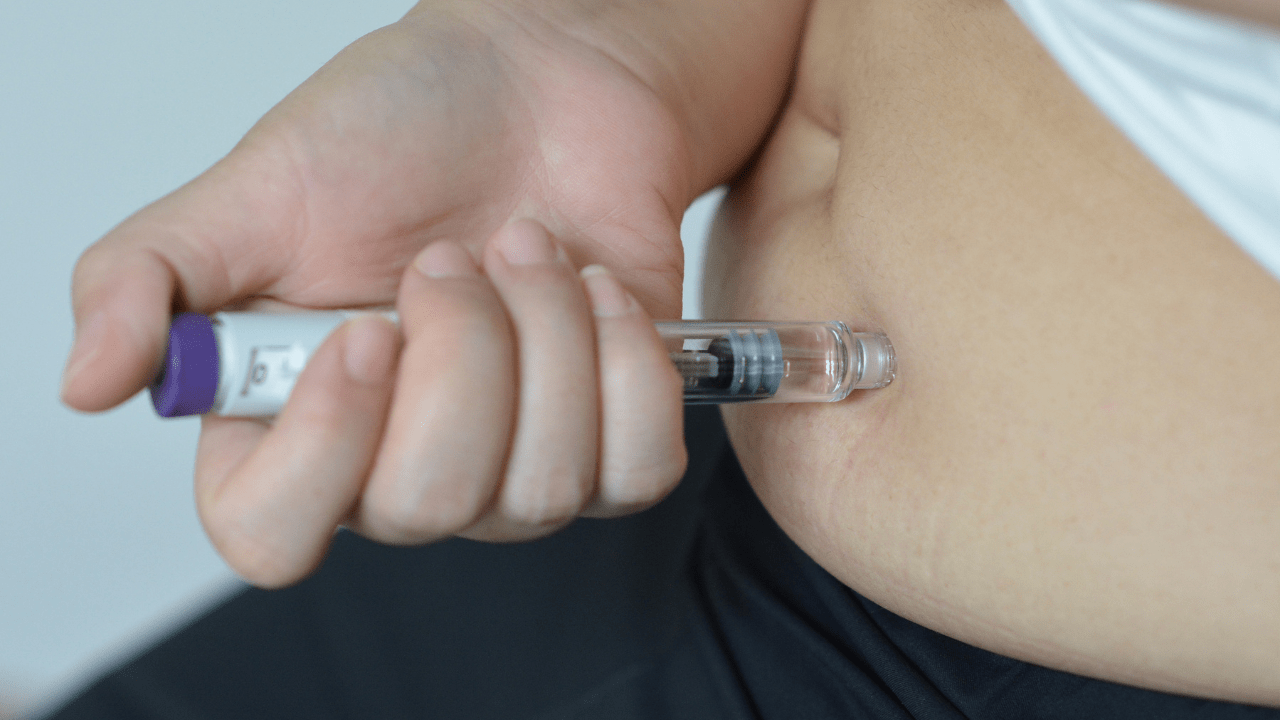
Why weight loss drugs appeal to so many women over 40
If you are a busy Canadian woman juggling work, family, hormones, and a body that suddenly seems to ignore all your old tricks, the appeal is obvious. Weight loss drugs can look like relief. And sometimes, if we’re being honest, relief sounds better than another meal plan.
These medications may help reduce hunger, lower food noise, and create enough early progress that someone finally feels hopeful again. That psychological lift is real. For women who have felt stuck for years, seeing the scale move can feel like getting oxygen back.
But the bigger conversation is whether the medication is solving the root issue or just lowering the volume on symptoms.
If the underlying picture includes poor sleep, chronic stress, insulin resistance, emotional eating, digestive issues, a sedentary routine, and a metabolism that has been battered by years of under-eating and overdoing it, then appetite suppression alone rarely fixes the whole story. It can help. It just doesn’t automatically restore health.
That’s where many women get frustrated. They lose some weight, but they still feel flat, constipated, nauseous, weak, or disconnected from their hunger cues. Then the next question shows up fast: what happens if I stop?

The trade-offs with weight loss drugs
This is the part that needs honesty, not hype.
Weight loss drugs can be medically appropriate in some cases, and they should always be discussed with a qualified healthcare provider. But they are not magic, and they are not consequence-free. Side effects can include nausea, digestive upset, reduced appetite to the point of undernourishment, and muscle loss if protein intake and strength training are not handled properly. In most cases, muscle loss still happens despite adequate efforts.
There’s also the sustainability question. If healthy habits, metabolic support, muscle preservation, and mindset work are not built alongside the medication, the body often slides back toward old patterns once the drug is stopped. That is not a character flaw. It is what happens when the foundation never changed.
For some women, the emotional trade-off matters too. Relying on a drug to eat less can feel very different from learning how to regulate cravings, build meals that stabilize blood sugar, and trust your body again. One may create short-term control. The other builds long-term capacity.
Where herbal support can make a real difference
Herbal support is often dismissed because it doesn’t produce dramatic headlines. Fair enough. No herb is going to outdo a prescription medication in the speed department. But speed is not the only metric that matters, especially if your body has been sending distress signals for years.
The right herbal support can be useful when cravings are tied to blood sugar swings, when stress is driving evening overeating, when digestion is sluggish, or when sleep is poor and hunger is rising the next day. Some herbs may support blood sugar balance. Others may help with stress resilience, digestion, inflammation, or liver function. And yes, those things matter for weight.
Because when your body is inflamed, overtired, under-muscled, undernourished, and living on coffee until 2 p.m., weight gain is not just about calories. It is about physiology.
That said, herbal support also has limits. It is support, not a substitute for nutrition, movement, sleep, and consistent habits. Taking an herb while still surviving on muffins and stress is a bit like watering one plant in a garden full of weeds. Helpful, but not enough.
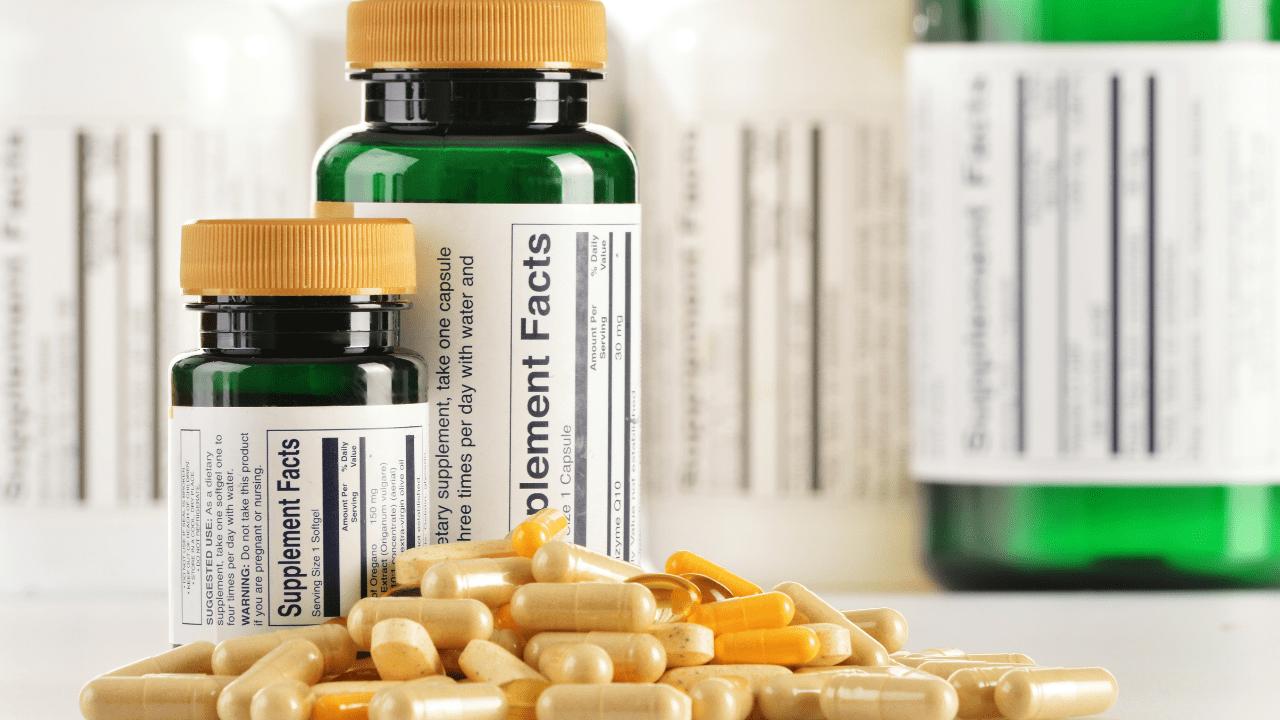
Herbal support vs weight loss drugs for long-term results
If your goal is simply faster weight loss in the next few months, drugs may appear to win. If your goal is to restore your health, reduce reliance on medications where appropriate, improve energy, support hormones, and create results you can actually live with, herbal support often fits better into a bigger strategy.
That is especially true for women over 40, because this stage of life is rarely just a willpower problem. Hormones shift. Muscle mass declines if you do not actively protect it. Sleep becomes lighter. Stress tolerance changes. Digestion often gets more sensitive. Your old "eat less and do more cardio" formula stops working, then has the nerve to blame you for it. Rude.
A natural support plan can work beautifully when it is part of a structured approach that addresses metabolism, gut health, meal timing, protein intake, strength-based exercise, and behaviour change. In that context, herbs are not random pills from a health food store. They are targeted tools. And that is the key. Tools work best inside a system.
When medication may make sense - and when it may not
There are situations where weight loss drugs may be appropriate. If someone has significant obesity-related health risks, severe insulin resistance, or has been advised by their physician that medication is necessary as part of treatment, it may be a useful bridge. That choice should be made carefully and monitored properly.
But medication may be a poor fit when someone is looking for an easy fix while ignoring the behaviours and health issues that caused the problem to grow in the first place. It may also be a poor fit if side effects reduce quality of life, if nutritional intake becomes too low, or if the person is not willing to build the habits needed to maintain progress.
The same kind of nuance applies to herbs. They may be a great fit for women who want a gentler, more holistic approach and are ready to work on the root causes. They may be less helpful for someone expecting rapid, dramatic weight loss with no lifestyle changes. Plants are powerful, but they are not fairy godmothers.
The better question to ask before choosing either one
Instead of asking, "Which one helps me lose weight fastest?" ask, "What is driving my weight gain right now?"
Is it unmanaged stress and emotional eating? Blood sugar instability? Perimenopause-related changes? Digestive dysfunction? Poor sleep? Loss of muscle? Chronic dieting? Medications? Low energy that keeps you sedentary?
Once you know that, the choice becomes clearer.
A woman whose biggest issue is relentless cravings from unstable blood sugar may benefit from targeted nutritional changes and herbal support. A woman with serious metabolic disease may need medical intervention as part of the picture. A woman doing everything "right" but still not seeing change may actually need more food, more strength training, and less punishment.
This is why coaching matters. Not because you need another person to tell you to eat vegetables, but because most women need help connecting the dots between symptoms, habits, hormones, metabolism, and realistic action. At Coach With Chris, that is the difference between chasing weight loss and actually rebuilding health.
You do not need to pick the trendiest option. You need the one that matches your body, your life, and your actual problem. If you’re tired of band-aid solutions, start there. Your body has probably been asking for support, not more extremes.


0 comments