


Most women do not need another meal plan taped to the fridge. They need a strategy that still works after a rough sleep, a stressful workday, and a weekend with kids, errands, and zero personal space. If you are wondering how to lose 25 pounds safely, the answer is not eating like a bird and trying to punish your body into submission. It is building a body that feels safe enough, supported enough, and nourished enough to let the weight go.
That matters even more if you are over 40. At this stage, weight gain is rarely just about willpower. Hormones shift. Stress tolerance drops. Digestion changes. Sleep gets lighter. Cravings get louder. If you have been told to simply eat less and move more, you already know how unhelpful that advice can be. Technically true? Sometimes. Practically useful for a busy Canadian woman with a real life? Not always.
What how to lose 25 pounds safely actually looks like
Safe weight loss is not dramatic. It is steady, repeatable, and boring in the best possible way. For most women, losing 25 pounds safely means aiming for roughly 1 to 2 pounds per week, knowing some weeks will be slower and some faster. That puts you in a realistic range of about 3 to 6 months, sometimes longer if your body is dealing with high stress, insulin resistance, thyroid issues, perimenopause, poor sleep, or chronic dieting history.
If that timeline makes you sigh, fair enough. But fast weight loss often comes with a price tag - muscle loss, rebound weight gain, low energy, mood swings, digestive issues, and a metabolism that starts acting like it no longer trusts you. Your body is not being stubborn to ruin your day. It is adapting to stress.
Losing 25 pounds safely means protecting muscle, supporting blood sugar, reducing inflammation, improving sleep, and creating habits you can still follow in November, not just on a motivated Monday in May.

Start with health restoration, not restriction
This is the part most diets skip. If your body is inflamed, overtired, undernourished, and running on caffeine and cortisol, aggressive calorie cutting can backfire. You may lose weight for a bit, then stall hard, overeat, or feel like a stranger in your own body.
A better starting point is asking why the weight is hanging on. For many women, the drivers include blood sugar swings, emotional eating, poor gut health, low protein intake, hidden stress, and inconsistent routines. You do not need to fix everything at once, but you do need to stop treating the symptom while ignoring the system.
This is where a holistic approach changes the game. Instead of chasing smaller portions forever, you work on the foundations that make weight loss easier: real food, better sleep, regular movement, stronger boundaries, and less chaos around eating.
Build meals that calm cravings
If your meals are mostly toast, coffee, random snacks, and whatever is left on your kid's plate, your cravings are not a character flaw. They are a predictable biological response.
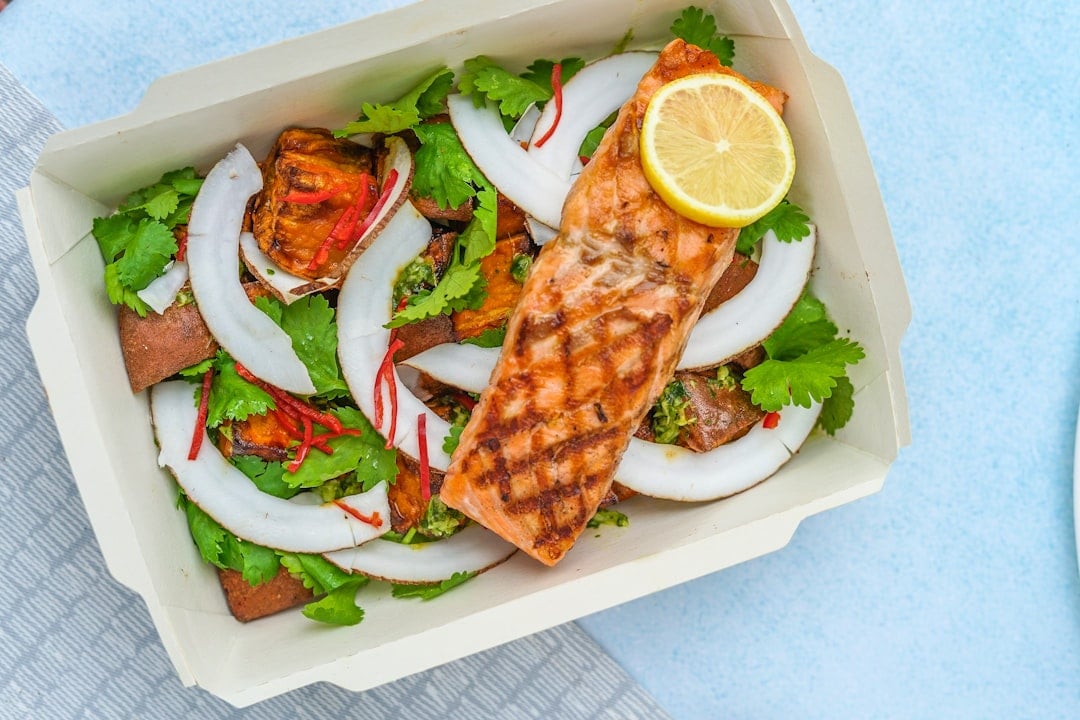
To lose 25 pounds safely, each meal should do some heavy lifting. That means protein, fiber, and healthy fats showing up consistently. A breakfast with eggs and veggies will support you differently than a muffin inhaled in the car. A lunch with chicken, quinoa, avocado, and greens will keep you steadier than a granola bar and hope.
Protein matters because it helps preserve muscle while you lose fat, and that is key for metabolism, energy, and body composition. Fiber helps with fullness, digestion, and blood sugar. Healthy fats support hormones and help meals feel satisfying. This is not fancy nutrition. It is basics done well.
You also do not need to be perfect. If dinner is rotisserie chicken, frozen veg, and potatoes, that counts. If lunch is leftovers in a container you ate between Zoom calls, still counts. We are aiming for consistent, not Instagrammable.
Create a calorie deficit without going to war with food
Yes, fat loss requires a calorie deficit. No, that does not mean slashing intake until you are cold, cranky, and one commercial break away from face-planting into a bag of chips.
A safe deficit is moderate. Big enough to create progress, small enough that your body does not panic and your life does not become miserable. For many women, this happens naturally when they stop grazing, eat balanced meals, reduce ultra-processed foods, and become more active. Others benefit from tracking for a short period to understand portions and patterns. It depends on your history.
You can build plates around protein and veg first, keep meals regular, and save treats for intentional moments rather than emotional emergencies. The method matters less than whether you can sustain it. I teach clients to have 1-2 starchy carbohydrates per day which is a simple way to create the calorie deficit you need.
Strength training is not optional if you want this to last
If your plan for losing 25 pounds is endless cardio and eating as little as possible, your future self would like a word.
Strength training helps you keep lean muscle while losing fat. That supports metabolism, improves insulin sensitivity, tightens body composition, and often helps with aches, confidence, and energy too. You do not need two-hour gym sessions or a fitness identity crisis. Two to four solid sessions a week can make a big difference.
Walking matters too. It lowers stress, improves blood sugar, supports digestion, and is much kinder to an already stressed body than turning every workout into a punishment. For many women, a combination of strength training and daily walking works better than smashing themselves with intense exercise they secretly dread.
The right question is not, what burns the most calories? It is, what can I recover from and repeat consistently?

Sleep and stress can make or break your results
This part is annoyingly unfair, but still true. You can eat well and exercise consistently, but if you are sleeping poorly and living in a constant stress response, weight loss often slows down.
When stress is high, cravings tend to rise and decision-making gets worse. Sleep deprivation can increase hunger hormones, reduce insulin sensitivity, and make you more likely to reach for quick carbs. That is not lack of discipline. That is physiology doing what physiology does.
You may not be able to remove every stressor, especially if you are juggling work, family, and everyone else's needs before your own. But you can reduce the load on your nervous system. A consistent bedtime, less evening scrolling, a short walk after dinner, better boundaries, proper meals instead of accidental starvation, and a few minutes of quiet before bed can all help more than most women expect.
Expect plateaus and do not turn them into drama
Real progress is rarely a straight line. Your weight may hold for a couple of weeks, then drop. Your measurements may change before the scale does. Hormones, sodium, digestion, and menstrual cycles can all affect the number.
A plateau does not automatically mean your plan is failing. Sometimes it means your body is adjusting. Sometimes it means portions have drifted, weekend habits are cancelling weekday effort, or stress is higher than you realize. This is where honesty helps. Not shame. Not panic. Just honest assessment.
If you have been consistent for a few weeks and nothing is moving, look at the basics first. Are you eating enough protein? Are you strength training? Are you snacking mindlessly at night? Are liquid calories sneaking in? Are you sleeping five hours and calling it self-care because you lit a candle once? The answers usually live there.

How to lose 25 pounds safely if you have a history of failed diets
If you have lost and regained weight before, your issue is probably not knowledge. It is implementation, support, and the fact that most diets are designed for short-term compliance, not real-life sustainability.
You may need more than a food list. You may need accountability, mindset work, and a structure that helps you stay consistent when motivation disappears. That is why coaching works so well for many women. It closes the gap between knowing and doing.
At Coach With Chris, that is exactly how transformation is approached - not as a quick-fix weight loss sprint, but as a process of restoring health so the weight can come off in a way your body can actually maintain. That is a very different experience from white-knuckling your way through another diet.
If you want 25 pounds gone for good, stop asking how little you can eat and start asking how well you can support your body while creating change. The women who keep the weight off are usually not the most extreme. They are the most consistent, the most honest, and the most willing to build habits that match the life they actually live.
You do not need to do this perfectly. You just need to stop starting over every Monday and commit to a plan your body can trust. You've got this!


0 comments