

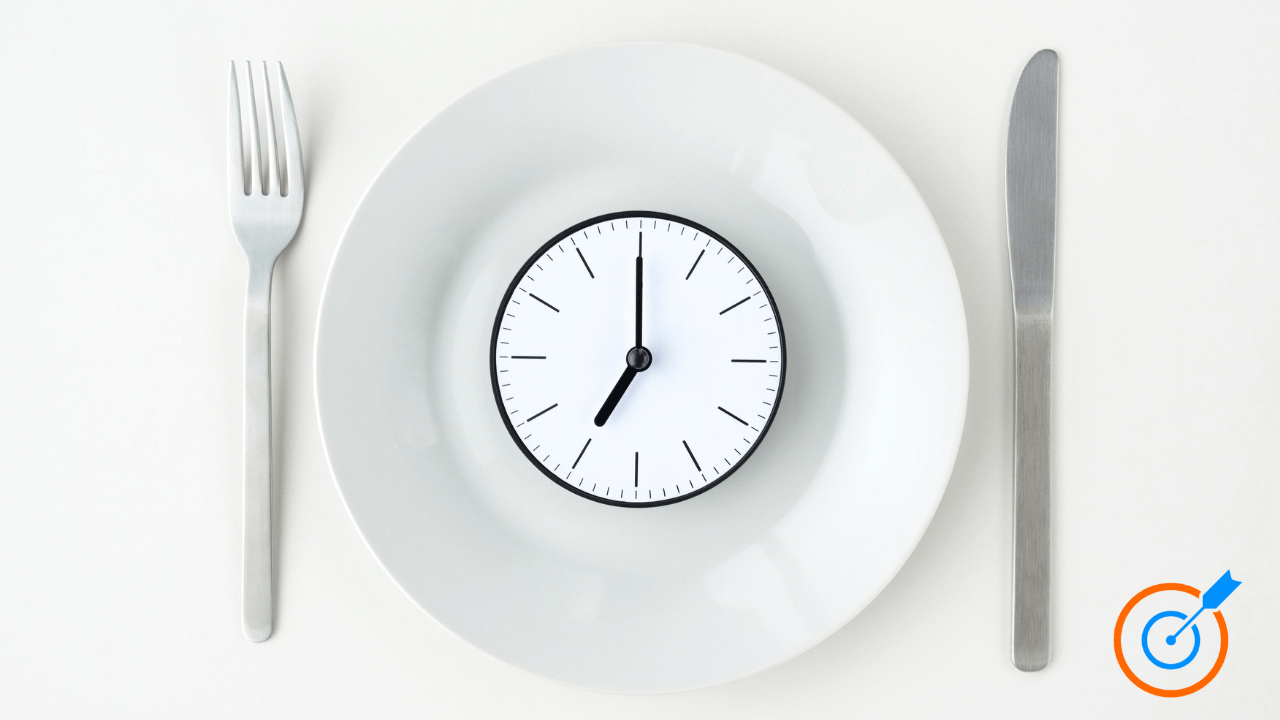
You can eat a healthy breakfast, choose the salad at lunch, skip dessert at dinner - and still feel shaky at 3 p.m., ravenous at 9 p.m., and frustrated that the scale is not moving. That is where meal timing for blood sugar starts to matter. It is not just what you eat. It is also when you eat, how long you go between meals, and whether your body is getting any consistency at all.
For a lot of women over 40, especially busy moms and professionals, the day starts with coffee, runs on stress, and ends with eating everything that was ignored from noon onward. No judgment here. That pattern is common. It also creates the perfect setup for energy crashes, cravings, mood swings, poor sleep, and the kind of stubborn belly weight that makes you want to throw your leggings across the room.
Why meal timing for blood sugar matters
Blood sugar regulation is closely tied to hormones, stress, appetite, and fat storage. When meals are spaced too far apart, blood sugar can dip, and your body responds by turning up hunger, cravings, and stress hormones. That often leads to overeating later, especially quick carbs and sugary foods, because your body is trying to solve an energy emergency.
On the flip side, eating constantly all day is not always helpful either. If you are grazing from morning to night, especially on processed snacks, your blood sugar may stay on a roller coaster instead of settling into a steady rhythm. The goal is not perfection. The goal is predictability.
When your body can count on regular nourishment, it becomes easier to manage appetite, think clearly, and avoid that late-afternoon crash that has you eyeing the office muffins like they are a life plan.

The best meal schedule is the one your body can trust
Most women do well with three balanced meals a day, spaced about four to five hours apart. For some, one planned protein-rich snack between meals is useful, especially during a stressful season, while working on cravings, or if blood sugar tends to drop quickly.
That said, meal timing for blood sugar is not one-size-fits-all. A woman dealing with insulin resistance, perimenopause, poor sleep, or high stress may need more structure than someone with stable energy and a consistent appetite. If you wake up not hungry, that does not automatically mean skipping breakfast is best. Sometimes it means your hormones are off, dinner was too late, or your stress response is already running the show before your feet hit the floor.
A simple starting rhythm looks like breakfast within one to two hours of waking, lunch about four to five hours later, and dinner another four to five hours after that.
Breakfast sets the tone more than most women realize
If your first real meal happens at 11 a.m. after two coffees and a stressful morning, your body is already playing catch-up. That can raise cravings later in the day and make it harder to stay in control around carbs, even if you know exactly what you should be eating.
A balanced breakfast helps anchor blood sugar early. That usually means protein, healthy fat, and fiber. Think eggs with sautéed veggies and avocado, Greek yogurt with berries and chia, or a protein smoothie that actually contains enough protein to count as a meal.
This does not mean forcing down food when you feel nauseous first thing in the morning. It means gently working toward a morning routine your metabolism can rely on. For some women, that starts with a smaller breakfast and builds over time.
Long gaps between meals can backfire
Many women trying to lose weight end up under-eating during the day and over-eating at night. It feels disciplined until dinner arrives and all discipline mysteriously leaves the building.
When you go six, seven, or eight hours without eating, blood sugar can become unstable. Your body starts looking for fast energy, which is why evening cravings rarely ask for chicken and broccoli. They usually want chips, chocolate, bread, or anything else that can get glucose into the bloodstream quickly.
This is where a well-timed afternoon snack can be a game changer. Not because snacking is magical, but because preventing the crash often prevents the binge. A snack with protein and fiber, like apple slices with almond butter or cottage cheese with berries, can help bridge the gap if dinner is still hours away.
That being said I would prefer if you had three meals daily and did your best space them four-five hours apart.
Late-night eating is often a daytime problem
If you feel out of control with food at night, the issue is not always lack of willpower. Often, it is poor fueling earlier in the day.
When breakfast is skipped, lunch is rushed, and stress is high, the body arrives at evening depleted. Add exhaustion and the need for comfort, and late-night eating makes sense. It is not a character flaw. It is a biological and emotional response to an unsustainable routine.
Eating dinner at a reasonable hour can help support blood sugar overnight, but eating too late or having heavy meals right before bed may affect sleep and morning hunger. For many women, finishing dinner two to three hours before bed works well. If you are genuinely hungry later, a light protein-based snack may be better than ignoring hunger and then waking up at 2 a.m. wondering why your body has chosen chaos.

Meal timing and hormones go hand in hand
Women in perimenopause and menopause often notice that the habits that used to work stop working. That is not in your head. Hormonal shifts can affect insulin sensitivity, appetite, sleep, and where your body stores fat.
Poor sleep can make blood sugar regulation worse the next day. High stress can do the same. So if your meal timing is solid but you are still crashing, craving, or gaining weight around the middle, the answer may not be to eat less. It may be to support the bigger picture - sleep, stress, gut health, protein intake, and daily movement all matter.
This is why a holistic approach works better than chasing another diet. You cannot out-supplement a chaotic routine, and you definitely cannot out-discipline a body that feels underfed and overstressed.
How to improve meal timing for blood sugar in real life
Start by noticing your current pattern without trying to fix everything at once. Are you skipping breakfast? Going too long between lunch and dinner? Eating most of your calories at night? That awareness matters.
From there, focus on consistency before perfection. Aim to eat within a similar window each day. Build meals around protein first. Make lunch a real meal, not crackers eaten while answering emails. If afternoons are your crash zone, plan for that instead of pretending you will somehow become a different person by 3 p.m.
It also helps to pair meal timing with meal composition. A bagel alone is not going to hold blood sugar steady for long. Add eggs or turkey and some fruit, and now you have a better shot at stable energy. Timing matters, but timing without protein, fiber, and healthy fats is only part of the solution.
If you are experimenting with fasting, be honest about whether it is helping or hurting. Some women do fine with a longer overnight fast. Others end up more tired, more hungry, and more likely to overeat later. There is no prize for copying someone else's schedule if your body hates it.

What a steady day can look like
A practical day might include breakfast around 9:30, lunch around 2:30, and dinner around 6:30. That is not the only option, but it gives your body regular opportunities to regulate hunger and energy.
If your schedule is messy, shift the principle instead of giving up. Nurses, shift workers, entrepreneurs, and moms with back-to-back obligations may not eat at perfect times. You can still create structure by planning ahead, carrying balanced food, and avoiding the all-or-nothing pattern that turns one busy day into a week of blood sugar chaos.
At Coach With Chris, this is often where women start to notice a real shift. Not because they found a magic meal plan, but because their body finally got the consistency it had been asking for all along.
Your body likes rhythm. It likes being fed before it gets desperate. It likes a routine that lowers stress instead of adding more of it. If blood sugar has felt like a daily fight, do not start by trying harder. Start by making your meals more regular, more balanced, and more supportive of the woman you are now. That is where steady energy, fewer cravings, and lasting change begin. You've got this!



0 comments