

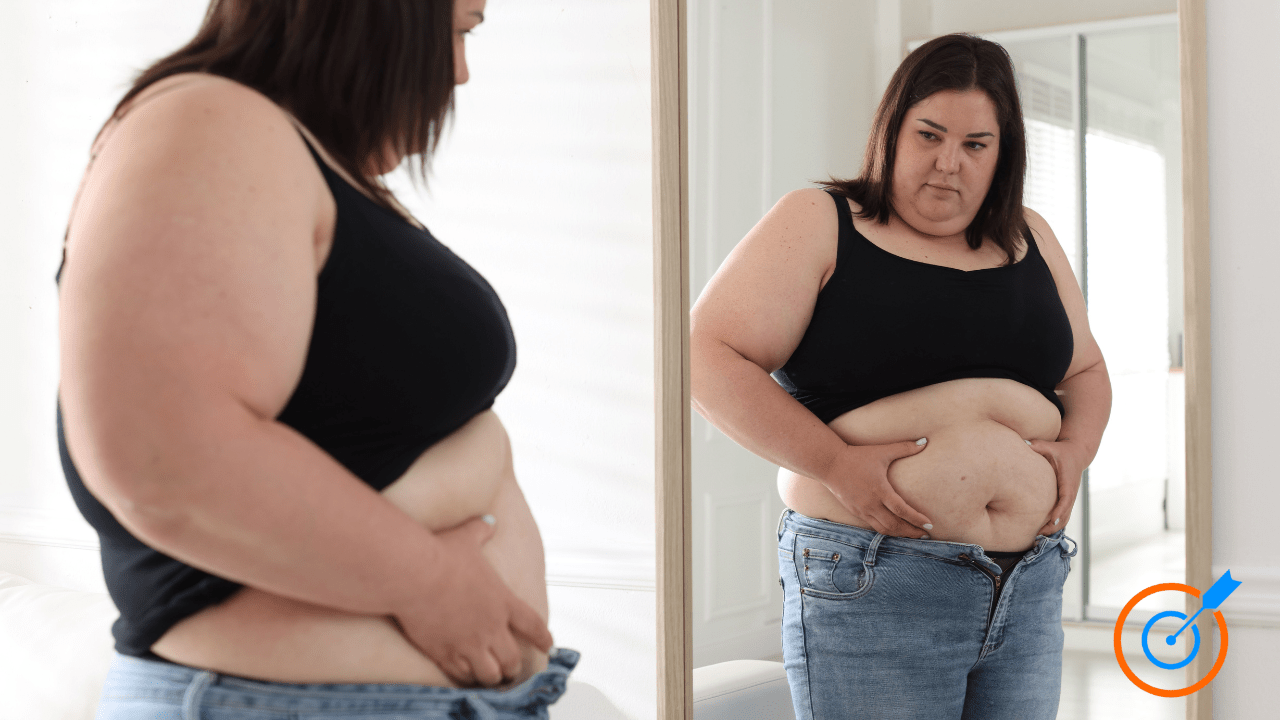
If your midsection seems to ignore your healthy meals, walks, and good intentions, you are not imagining it. Stubborn belly fat causes are often deeper than eating too much or moving too little. For many women over 40, especially busy moms and professionals, belly fat is a signal that something in the body is out of balance.
The frustrating part is that most advice still treats belly fat like a math problem. Eat less. Exercise more. Try harder. That sounds simple until your hormones are shifting, your sleep is messy, your stress is sky-high, and your digestion is acting like it has a personal vendetta against you. When belly fat is persistent, the real job is to understand why your body is holding on.
The real reason belly fat becomes so stubborn
Belly fat is not just about aesthetics. It is often connected to metabolic health, inflammation, insulin function, stress hormones, and overall resilience. Your body stores fat where it feels safest and most efficient, based on the signals it receives every day.
For some women, that signal is chronic stress. For others, it is unstable blood sugar, poor sleep, low muscle mass, perimenopause, digestive dysfunction, or years of under-eating followed by overeating. Usually, it is not one single issue. It is a pile-up.
That matters, because if you only attack calories without addressing the underlying drivers, you can end up more tired, more inflamed, and even more resistant to fat loss. Annoying? Yes. Fixable? Also yes.
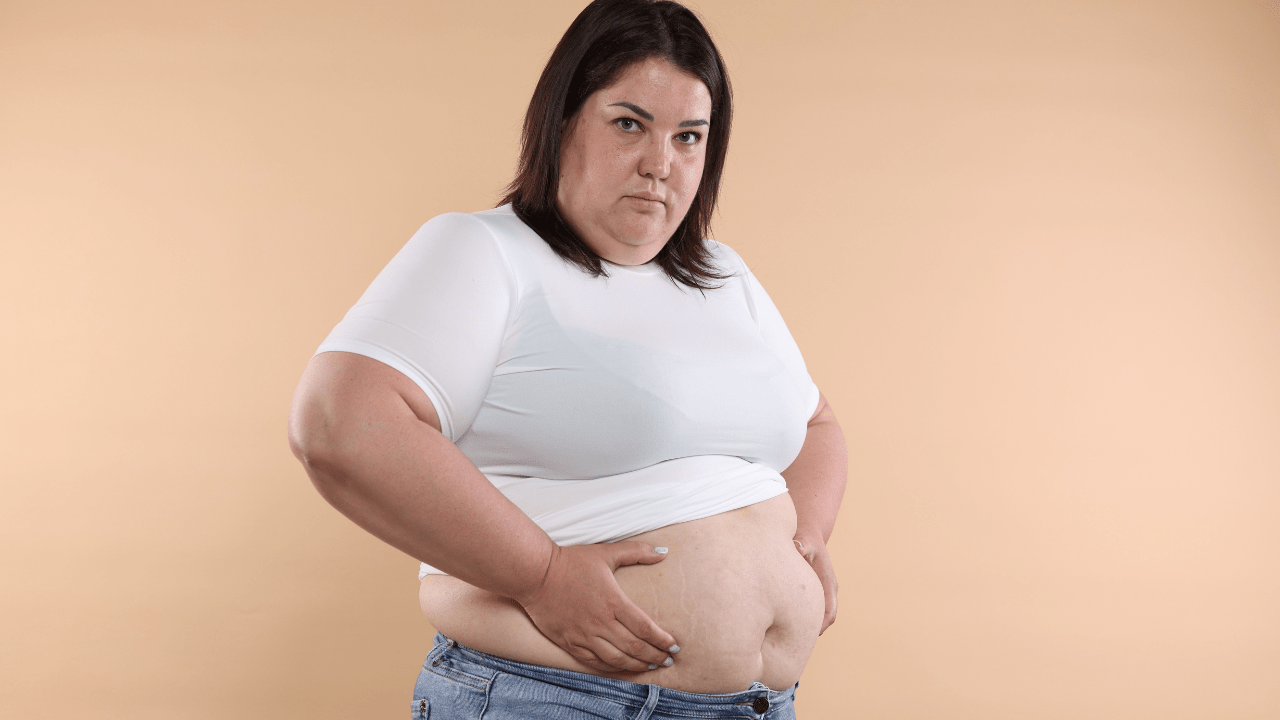
7 stubborn belly fat causes that deserve more attention
1. Chronic stress and high cortisol
This is one of the biggest stubborn belly fat causes, and it gets brushed off far too often. When your body is under constant stress, it produces more cortisol. That can raise cravings, worsen blood sugar swings, disrupt sleep, and encourage fat storage around the abdomen.
This does not only mean major life crises. It can also mean being overbooked, under-rested, emotionally drained, and running on caffeine and sheer determination. Canadian women are very good at carrying everything for everyone. Your nervous system, however, is not handing out gold stars.
The fix is not simply “relax more,” because that advice is about as helpful as telling a snowstorm to calm down. It is about creating daily recovery signals - balanced meals, boundaries, light movement, better sleep routines, and nervous system support.
2. Blood sugar dysregulation and insulin resistance
If you feel tired after meals, crave sugar in the afternoon, get hungry again quickly, or carry most of your weight around your middle, insulin may be part of the story. Insulin is the hormone that helps move sugar out of the bloodstream and into cells. When the body becomes less sensitive to it, more insulin is needed, and that can make fat loss harder, especially around the belly.
This does not mean you need to fear carbs forever or eat like you are preparing for a wilderness survival show. It means your meals likely need more protein, more fiber, and better balance so your blood sugar stops riding a roller coaster every day.
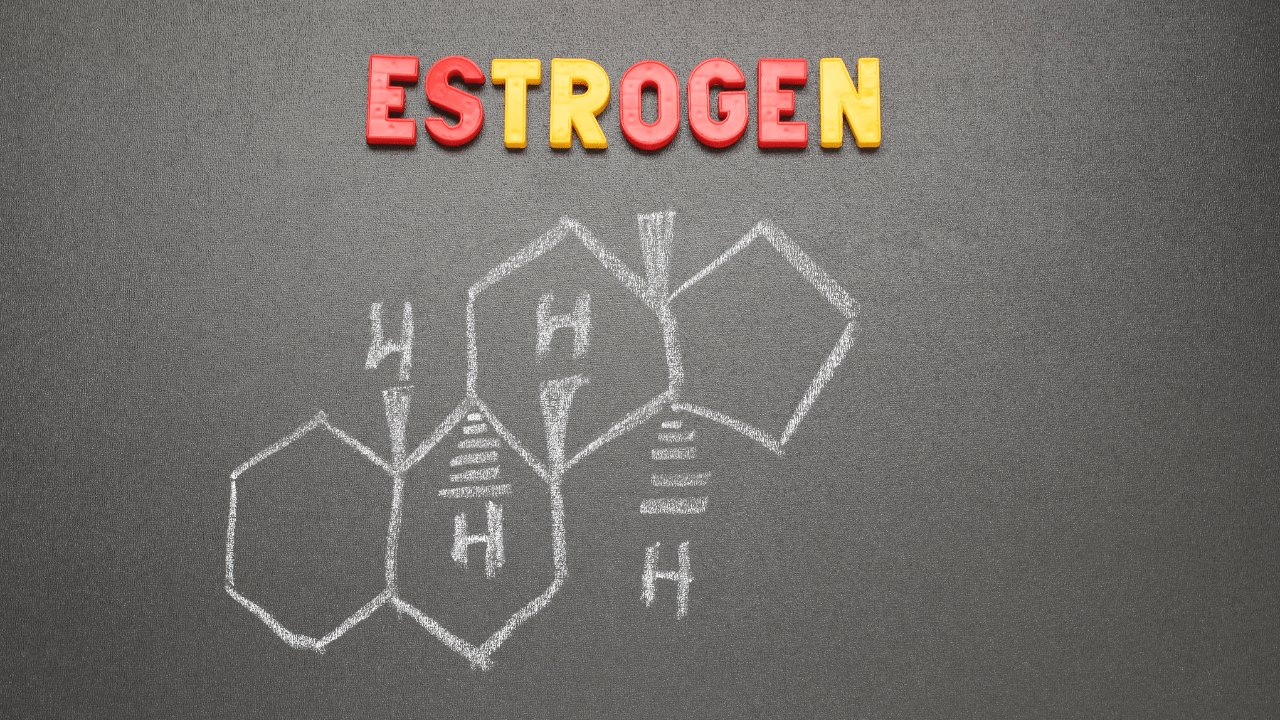
3. Hormonal changes in perimenopause and menopause
Many women notice belly fat increasing in their late 30s, 40s, and 50s even when they have not changed much. That is not a lack of willpower. Shifts in estrogen and progesterone can change where fat is stored, how hungry you feel, how well you sleep, and how resilient your body is to stress.
Perimenopause in particular can be sneaky. One month you feel fine, and the next you are wide awake at 3 a.m., craving salty snacks, and wondering why your jeans are suddenly rude. As hormones shift, the body often becomes more sensitive to poor sleep, high stress, and intense dieting.
This is why old strategies that used to work can stop working. The answer is usually more support, not more punishment.
4. Sleep problems
Sleep and belly fat have a very real relationship. Poor sleep affects hunger hormones, increases cortisol, lowers insulin sensitivity, and makes cravings much harder to manage. It also drains your motivation, which means the next day you are far more likely to skip movement, reach for quick carbs, and feel behind before breakfast.
And no, five hours of sleep with a brave attitude does not count as recovery. If your sleep is interrupted by stress, alcohol, blood sugar crashes, or hormone shifts, your body stays in a more inflamed, more fat-storing state.
For many women, improving sleep quality is one of the fastest ways to start changing body composition. Not glamorous, but very effective.
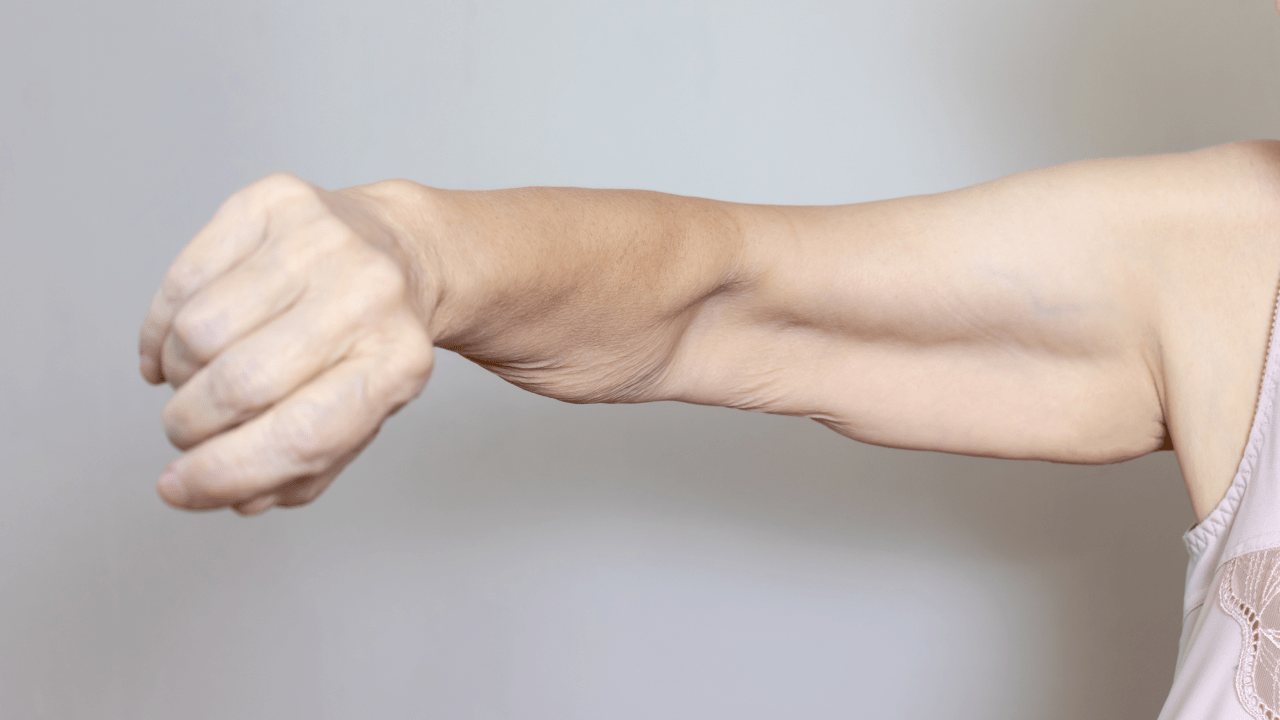
5. Loss of muscle mass
After 40, muscle becomes more important, not less. Muscle helps improve insulin sensitivity, supports metabolism, and creates a healthier environment for fat loss. If you have been relying mainly on cardio, restricting food, or avoiding strength training because you do not want to get bulky, this may be slowing your progress.
For the record, most women do not accidentally wake up looking like a bodybuilder because they picked up dumbbells twice a week. What usually happens is they feel stronger, more energized, and less puffy.
Building muscle is one of the smartest long-term strategies for reducing belly fat, especially when paired with enough protein and recovery.
6. Gut health and inflammation
If your belly feels bloated, distended, uncomfortable, or reactive, not all of that is body fat. Digestive issues can make the midsection look and feel worse while also contributing to inflammation, cravings, and poor nutrient absorption.
Common gut-related issues include constipation, food sensitivities, low stomach acid, poor microbiome balance, and chronic inflammation. When the gut is struggling, the whole system can struggle. Energy drops, cravings rise, and the body becomes less responsive.
This is where a holistic approach matters. Sometimes the body is not resisting weight loss. It is asking for repair first.
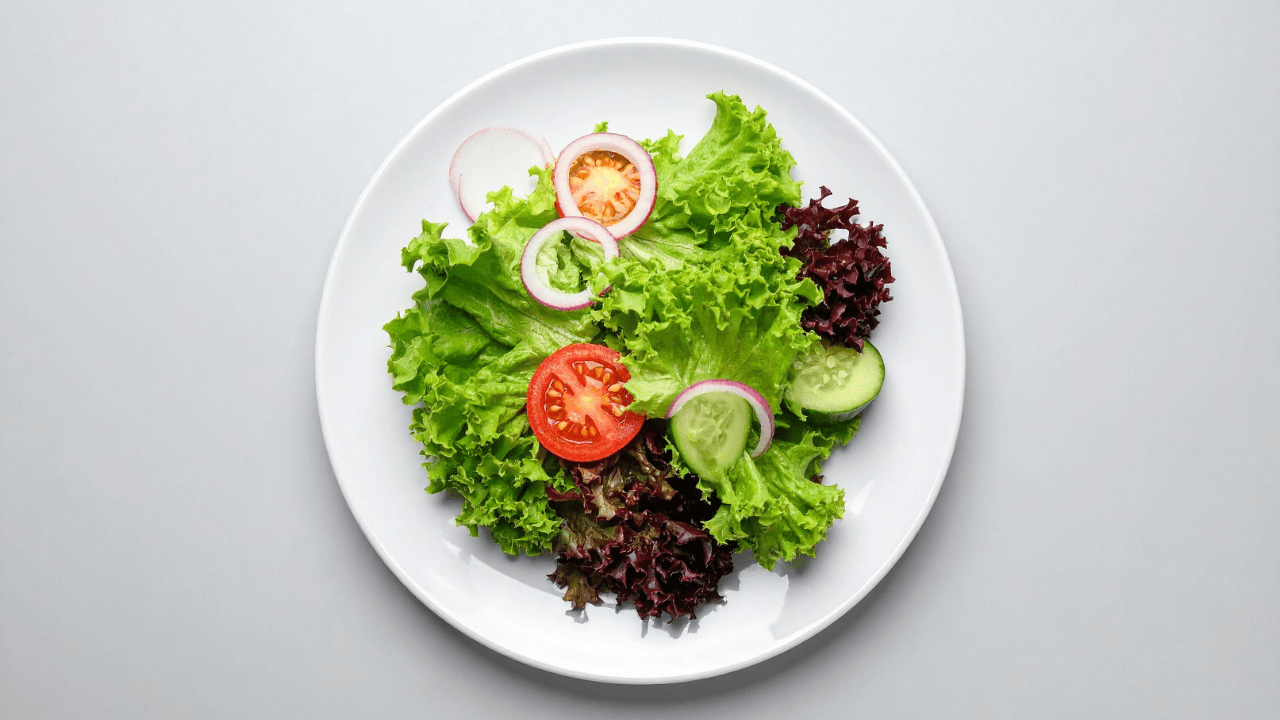
7. Eating too little for too long
This one surprises a lot of women. Years of dieting, meal skipping, low-calorie plans, and “being good all day” can backfire. When you consistently under-eat, your body adapts. Energy output drops, stress hormones can rise, muscle can be lost, and cravings often explode later.
Then comes the classic cycle - coffee for breakfast, salad for lunch, white-knuckling through the afternoon, then standing in the kitchen at night eating crackers over the sink like it is a full-time job.
If this sounds familiar, more restriction is not the answer. Better nourishment is.
What to do about stubborn belly fat causes
Start by getting honest about your patterns instead of blaming your body. Are you sleeping enough? Are you eating balanced meals with protein, fiber, and healthy fats? Are you managing stress in any consistent way? Are you strength training? Are you dealing with digestive symptoms that you have normalized?
The goal is not perfection. The goal is to remove the signals that tell your body to store fat and keep inflammation high. For most women, that means stabilizing blood sugar, eating enough protein, building muscle, reducing stress load, and supporting hormones and gut health at the same time.
This is also where one-size-fits-all plans tend to fail. If your friend lost weight by cutting carbs and doing bootcamp at 5 a.m., good for her. If that makes your hormones angrier and your energy tank, it is the wrong plan for you. Health restoration is personal.
At Coach With Chris, this is why the focus is on root causes, not just calories. Lasting fat loss usually happens when the body feels safe, supported, and metabolically healthy enough to let go.
When belly fat is a sign to dig deeper
Sometimes belly fat is simply the visible symptom of a bigger issue. If you also have fatigue, mood swings, intense cravings, irregular cycles, constipation, poor sleep, or stubborn weight everywhere, it may be time to look deeper at hormones, insulin resistance, thyroid function, stress load, and digestive health.
That does not mean you need to panic. It means your body is giving you information. The women who make real progress are usually the ones who stop chasing quick fixes and start listening to those signals.
You do not need another extreme plan, another detox tea, or another round of guilt. You need a strategy that works with your body, not against it. When you address the true stubborn belly fat causes, change stops feeling like a fight - and starts feeling possible again.
Your belly is not the problem. It is the messenger. Listen closely, support the root issues, and your body can start responding in a very different way. You've got this!


0 comments