


If your usual weight-loss tricks suddenly stopped working and most of the gain seems to be camping out around your middle like it pays rent there, you are not imagining it. Natural support for perimenopause weight looks different than weight loss in your 20s, because your body is dealing with shifting hormones, more stress, less recovery, and often a metabolism that feels personally offended by toast.
This is the stage where many women get told to eat less and move more, then blame themselves when that advice gets them nowhere. The truth is more nuanced. Perimenopause can affect insulin sensitivity, sleep quality, cortisol, appetite, mood, and body composition all at once. So if you want sustainable change, you need a strategy that supports the whole system, not just calorie math.
Why perimenopause weight gain feels so stubborn
Perimenopause is not just about estrogen dropping. Hormones can swing up and down for years before menopause, and those swings can make your body less predictable. One week you feel fine, the next week you are bloated, wired, tired, craving sugar, and wondering why your jeans have declared war.
As estrogen and progesterone shift, your body may become more prone to storing fat around the abdomen. Sleep often gets worse, whether from night waking, anxiety, or overheating. Poor sleep alone can increase hunger, cravings, and blood sugar dysregulation. Add a packed schedule, emotional stress, and years of dieting history, and your body may be running in survival mode more often than you realize.
That matters because a stressed body does not usually respond well to extreme plans. Slashing calories and hammering yourself with punishing workouts can backfire by increasing hunger, draining energy, and making consistency harder. The goal is not to do more. The goal is to do what works with your body now.

What natural support for perimenopause weight actually means
Natural support for perimenopause weight does not mean random supplements, detox teas, or pretending stress is solved by deep breathing once beside your laundry basket. It means using habits that help restore metabolic health, improve hormone resilience, and make fat loss more possible.
For most women, that starts with stabilizing blood sugar, supporting the gut, reducing inflammatory load, improving sleep, and building muscle. None of that is flashy. It is just effective.
It also means accepting that this season may require a different approach than the one that worked before. That is not failure. That is wisdom.
Start with blood sugar before you obsess over calories
If you are on the roller coaster of skipping meals, grabbing carbs when you are starving, then crashing at 3 p.m., your body is getting mixed signals all day. Blood sugar swings can drive cravings, irritability, low energy, and more belly fat storage over time.
A better place to start is eating regular meals built around protein, fiber, and whole-food carbs. That might look like eggs and sautéed veggies at breakfast, a chicken salad with quinoa at lunch, and salmon with sweet potatoes and broccoli at dinner. Simple is fine. Consistent is better.
Protein matters even more in perimenopause because it supports muscle retention, recovery, and satiety. Many women undereat protein, especially earlier in the day, then wonder why they are prowling the pantry at night. If this is you, your body is not broken. It is underfed in the ways that count.

Stress is not just emotional - it is metabolic
This is the part many women want to skip because everyone is stressed. Fair. But chronic stress changes your physiology. When cortisol stays elevated, sleep suffers, cravings increase, recovery drops, and fat loss gets harder.
You do not need a perfect Zen life to make progress. You do need fewer things pushing your body into all-day alarm mode. That may mean reducing caffeine if it is making you more anxious than alert, eating enough at meals so your body is not constantly chasing fuel, and creating transitions in your day instead of going full speed from sunrise to bedtime.
Stress management in this phase can be surprisingly unglamorous. Walking after meals, lifting weights instead of overdoing cardio, saying no more often, getting outside, and keeping a steadier routine can all help. Not sexy. Very useful.
Sleep may be the missing piece
If you are sleeping five broken hours and expecting your body to release weight easily, that is a tough ask. Sleep disruption is incredibly common in perimenopause, and it affects hunger hormones, insulin sensitivity, decision-making, and inflammation.
Start by tightening up the basics. Eat enough during the day so you are not waking from low blood sugar. Cut back on alcohol if it is wrecking your sleep quality, even if it helps you feel drowsy at first. Keep your room cool and dark. Have a wind-down routine that does not involve scrolling yourself into a low-grade panic.
If sleep is consistently poor, this is also a good time to look at bigger root causes, including blood sugar instability, high stress, digestive issues, and nutrient gaps. Sometimes the problem is not just hormones. Sometimes hormones are being asked to perform on very little support.
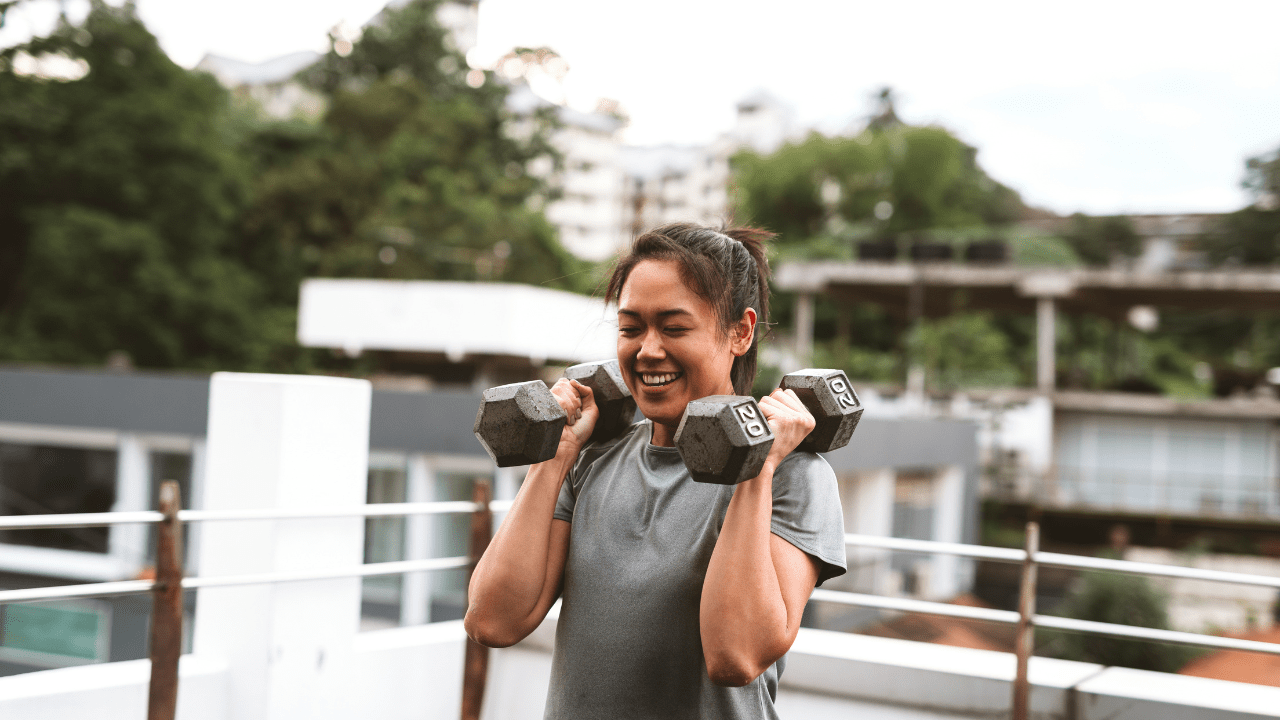
Strength training beats more cardio for most women here
A lot of women respond to midlife weight gain by doing more cardio and eating less. That sounds logical, but it often leaves them tired, hungrier, and softer rather than stronger.
Muscle is one of your best allies in perimenopause. It supports insulin sensitivity, metabolic health, posture, strength, and long-term body composition. You do not need to train like an athlete, but you do need to challenge your muscles regularly.
Two to four strength sessions per week can make a meaningful difference, especially when paired with adequate protein and recovery. Walking is still fantastic, especially for stress and blood sugar, but endless bootcamp punishment is not a requirement for results. Your knees may send a thank-you card.
Gut health can influence more than digestion
Many women notice more bloating, irregular digestion, and food sensitivity during perimenopause. While gut health is not the only factor in weight changes, it can affect inflammation, cravings, energy, and how well you absorb nutrients.
A gut-supportive approach usually starts with basics: more whole foods, enough fiber, regular meals, hydration, and paying attention to foods that leave you feeling worse rather than better. For some women, chronic under-eating or years of diet foods have done a number on digestion. For others, it is stress, too much processed food, or eating in a constant rush.
This is one reason a holistic approach works better than chasing one symptom. When digestion improves, energy often improves. When energy improves, workouts and food choices usually get easier. Everything connects.

Be careful with supplements and quick fixes
There are supplements that can be supportive in perimenopause, but more is not better, and trendy is not the same as helpful. If your foundation is poor, no powder is going to rescue it.
Before spending a small fortune at the health store, focus on the habits that move the needle most. Then, if needed, consider targeted support based on your symptoms and health history. It depends on the person. What helps one woman with cravings and sleep may do absolutely nothing for another.
The bigger red flag is anything promising fast weight loss while ignoring metabolism, hormones, stress, and muscle. That is usually just diet culture wearing a wellness hat.
A realistic path to support perimenopause weight naturally
If you are overwhelmed, do not try to fix everything by Monday. Start with the levers that give you the biggest return. Build meals around protein and fiber. Stop skipping breakfast if it leads to evening chaos. Strength train a few times a week. Walk daily. Protect sleep like it matters, because it does. Pay attention to stress without making it another job.
Most importantly, stop measuring progress only by the scale. In perimenopause, better markers often show up first as steadier energy, fewer cravings, less bloating, better sleep, improved mood, and inches lost even before big scale changes happen. Those are not consolation prizes. Those are signs your body is becoming healthier and more responsive.
This is also where accountability can change everything. When you are tired, frustrated, and juggling work, family, and everyone else's needs, it is easy to second-guess yourself or quit too soon. A structured approach can help you stay consistent long enough to actually see results. That is a big part of why coaching works so well for women in this stage - it replaces guesswork with a plan.
Your body is not betraying you. It is asking for a different kind of support. When you respond with strategy instead of punishment, progress starts to feel possible again. You've got this! Reach out if you need support!


0 comments