

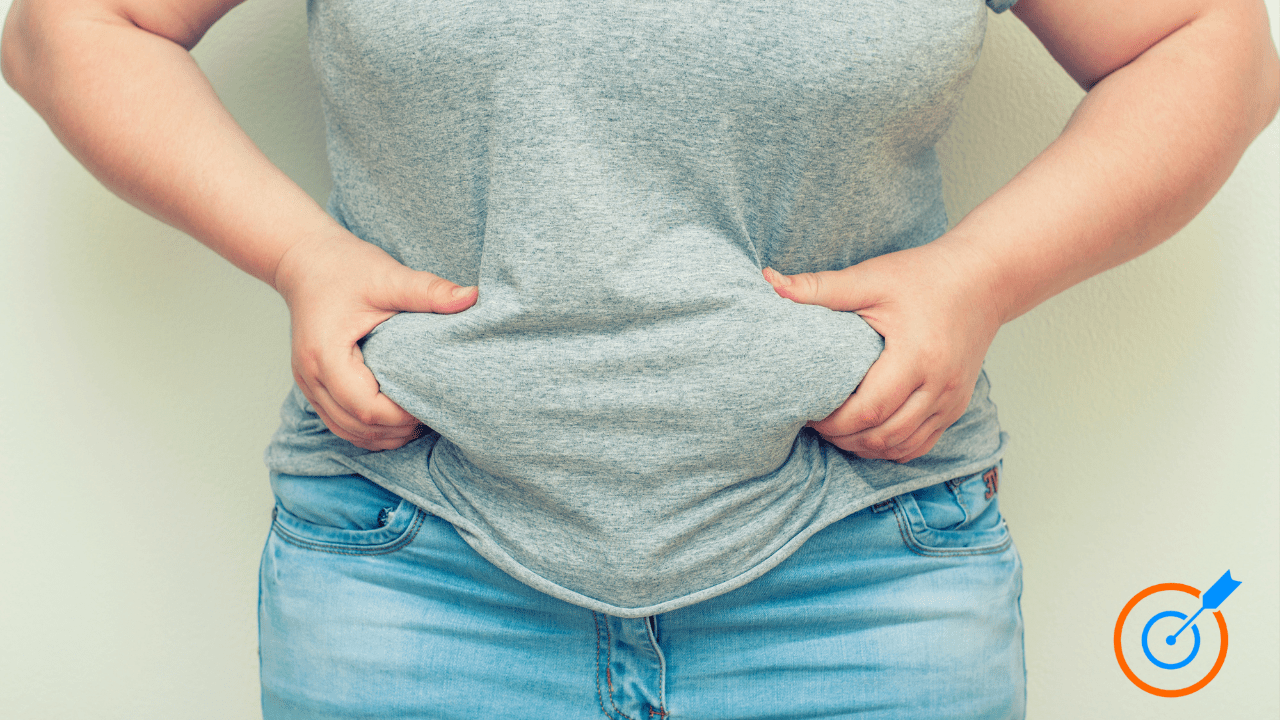
Your jeans are tighter, your energy is lower, and somehow the weight seems to be settling right through the middle. If you have been asking, why am I gaining belly fat, you are not imagining it and you are definitely not failing. Belly fat is rarely about laziness, lack of willpower, or needing to eat like a rabbit and live at the gym.
For many women over 30, especially busy moms and professionals, belly fat is often a signal. Your body is responding to stress, hormones, sleep debt, blood sugar swings, inflammation, digestive issues, and habits that looked harmless when life was less chaotic. That is why doing more random workouts and eating less often makes the problem worse, not better.
Why am I gaining belly fat even if I am trying?
This is the part that frustrates women the most. You are trying. You may be skipping breakfast, eating salads, squeezing in workouts, and saying no to dessert more often than you want to. Yet your midsection is still hanging on like it pays rent.
The reason is simple - fat loss is not just a calorie math problem. Your body is always reading the environment you create. If it senses high stress, poor recovery, blood sugar chaos, and hormone disruption, it becomes much more likely to store fat around the abdomen.
Belly fat can also be a mix of actual body fat, bloating, water retention, and poor digestion. So before you declare war on your stomach, it helps to understand what is really going on.

Stress can push fat storage toward your midsection
When stress is high for long periods, your body produces more cortisol. Cortisol is helpful in short bursts, but when it stays elevated, it can increase cravings, affect blood sugar, disrupt sleep, and make your body more likely to store fat around the belly.
This does not only happen from emotional stress. Your body reads under-eating, overtraining, poor sleep, constant rushing, and even trying to be perfect all the time as stress. So yes, your packed calendar and your all-or-nothing diet can team up against you. Rude, but true.
Blood sugar swings can drive cravings and fat storage
If your meals are light on protein and fiber but heavy on refined carbs, or if you go too long without eating and then crash into a snack attack, blood sugar can bounce all over the place. That roller coaster tends to increase insulin demand, cravings, and energy crashes.
Over time, this can make it harder for your body to access stored fat efficiently. Many women think they need more discipline, when what they actually need is more stable meals.
Sleep loss changes more than your mood
One bad night of sleep can make you feel foggy. Weeks or months of poor sleep can affect hunger hormones, stress response, insulin sensitivity, and recovery. Translation: you are hungrier, more tired, more likely to crave sugar, and less likely to feel motivated to cook or move your body.
That does not mean sleep is a magic pill, but it is one of the most overlooked reasons belly fat becomes stubborn.
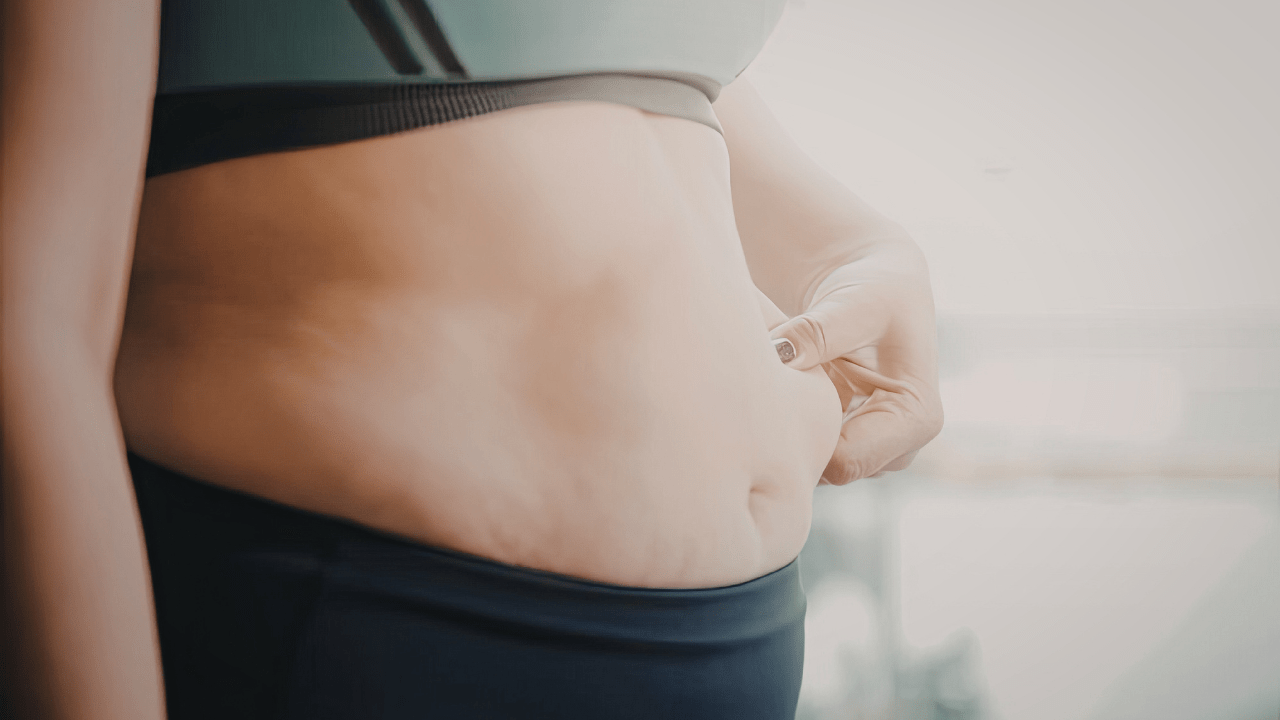
The hormone piece matters more than most women are told
If you are in your 30s, 40s, or 50s, hormones can absolutely be part of the picture. Not because your body is broken, but because it is changing.
Estrogen and progesterone shifts during perimenopause can change where you store fat, how well you tolerate stress, and how your body handles carbs. Add in thyroid issues, insulin resistance, or chronic inflammation, and suddenly the same routine that used to work does nothing.
This is where generic advice falls apart. Eat less and move more sounds neat on a coffee mug, but it does not address what is happening inside your body. Hormonal weight gain is still influenced by habits, but the strategy has to match the season of life you are in.
Why am I gaining belly fat in my 40s?
Because your body is not the same as it was at 24, and that is not a character flaw. In your 40s, recovery often matters more, stress tolerance can change, muscle mass may decline if you are not actively supporting it, and hormone fluctuations become more noticeable.
Many women respond by eating even less and doing more cardio. That can backfire. If your metabolism is already stressed, adding more punishment is like trying to fix a dead phone by throwing it harder.
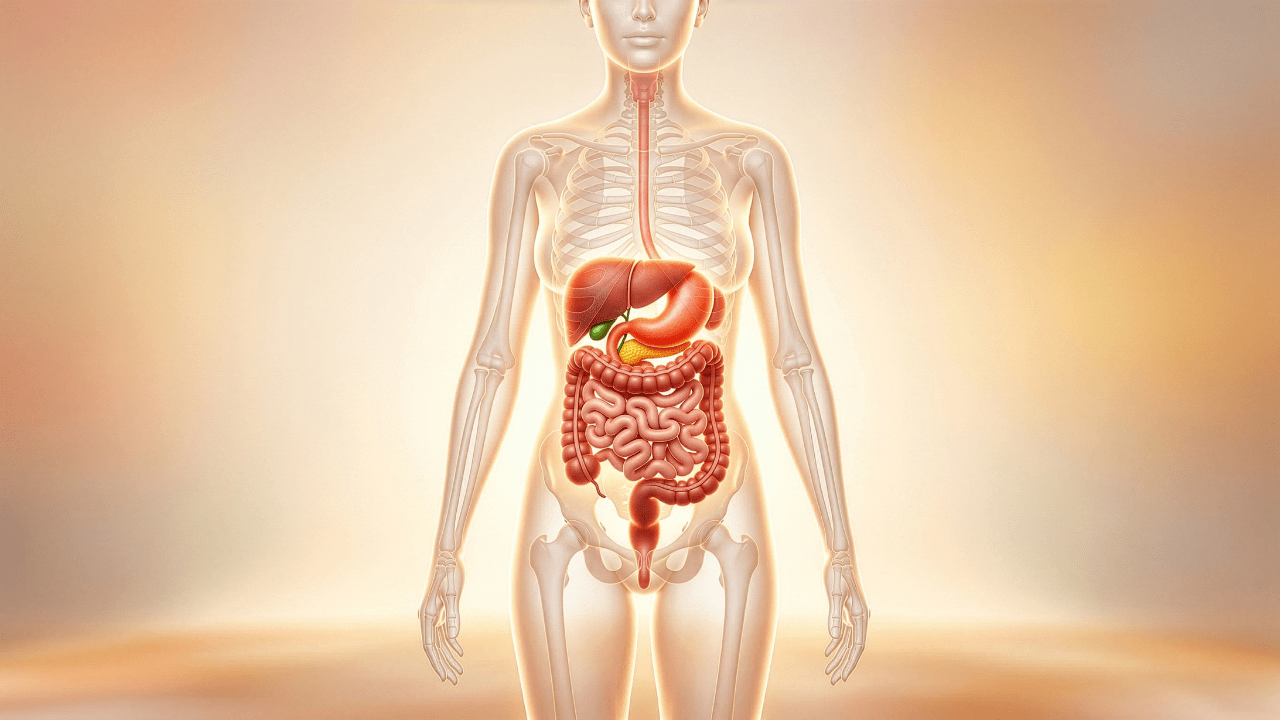
Gut health and bloating can make belly changes feel worse
Sometimes what looks like belly fat is partly inflammation and bloating. If you feel puffy by the end of the day, react poorly to certain foods, deal with constipation, or wake up with a flatter stomach that expands as the day goes on, digestion may be involved.
Poor gut health can affect how you absorb nutrients, regulate cravings, manage inflammation, and even balance hormones. It is not always the main cause of belly fat, but it often makes the whole situation feel worse and more discouraging.
This is one reason quick-fix diets fail so often. They focus on shrinking your body fast, not improving the systems that help your body actually function well.
The habits that quietly lead to belly fat gain
Most belly fat gain does not come from one dramatic mistake. It usually builds from patterns that seem normal because everyone around you is doing them too.
Busy women often run on coffee, skip proper meals, nibble while standing, crash at 3 p.m., eat whatever is fastest at supper, then need something sweet at night because the whole day felt exhausting. Add wine a few nights a week, inconsistent exercise, and not enough protein, and you have a perfect setup for stubborn weight gain.
That is not a judgment. It is just physiology meeting real life.
Alcohol can also play a role, especially if it has become your way to unwind. A few drinks may not seem like much, but alcohol affects sleep, blood sugar, liver function, appetite regulation, and recovery. It is not the only reason belly fat happens, but it can absolutely keep it hanging around.

What to do if you are gaining belly fat
The good news is that the answer is not starving, obsessing, or spending your life on a treadmill. The better path is to support your body so it feels safe enough to let go of stored fat.
1. Build healthier meals.
Start by building meals around protein, fiber, and whole foods. This helps regulate appetite, support muscle, and steady blood sugar. For many women, simply eating enough protein at breakfast changes cravings dramatically by the afternoon. Aim for at least 25 grams of protein per meal. You should also limit your starchy carbohydrate intake to 1-2 per day.
2. Practice stress reduction and don't overcommit.
Next, look at stress honestly. Not in a bubble-bath-and-manifestation way, but in a real-life way. Are you overcommitted, under-recovered, and running on fumes? Your body keeps score, even when you are trying to power through. (Practice the are of saying NO.)
3. Have a concern for muscle.
Strength training matters too. Muscle supports metabolism, blood sugar control, and body composition far better than endless cardio alone. You do not need punishing workouts. You need consistency and a plan that works with your life, not against it. Find a strength training routine that you can do in under 30 minutes.
4. Prioritize sleep, don't skimp on this one.
Sleep needs to become part of the strategy, not an afterthought. If you cannot get eight perfect hours every night, fine. Start with improving bedtime routines, reducing late-night screen time, and creating more consistency. You should be in bed by 11:00 pm, just saying!
Finally, pay attention to symptoms beyond the scale. If you have major fatigue, painful periods, digestive issues, intense cravings, or rapid changes in body composition, it may be worth looking deeper at hormones, gut health, and metabolic function.
Stop blaming yourself and start looking at the whole picture
If you have been asking why am I gaining belly fat, the most helpful shift is this: stop treating your body like a problem to punish. Start treating it like a system to support.
When you improve sleep, blood sugar balance, muscle mass, digestion, stress load, and daily habits, your body often responds. Not overnight, and not perfectly, but steadily. That is how real transformation happens.
At Coach With Chris, this is the difference between chasing weight loss and restoring health. Belly fat is often the symptom that gets your attention, but the real work is helping your body function better from the inside out.
You do not need more shame, more extremes, or another Monday diet. You need a clear plan, some patience, and a strategy that respects the fact that you are a real woman with a real life. Your body is not betraying you. It is telling you where support is needed most. Reach out we're here to help!


0 comments