

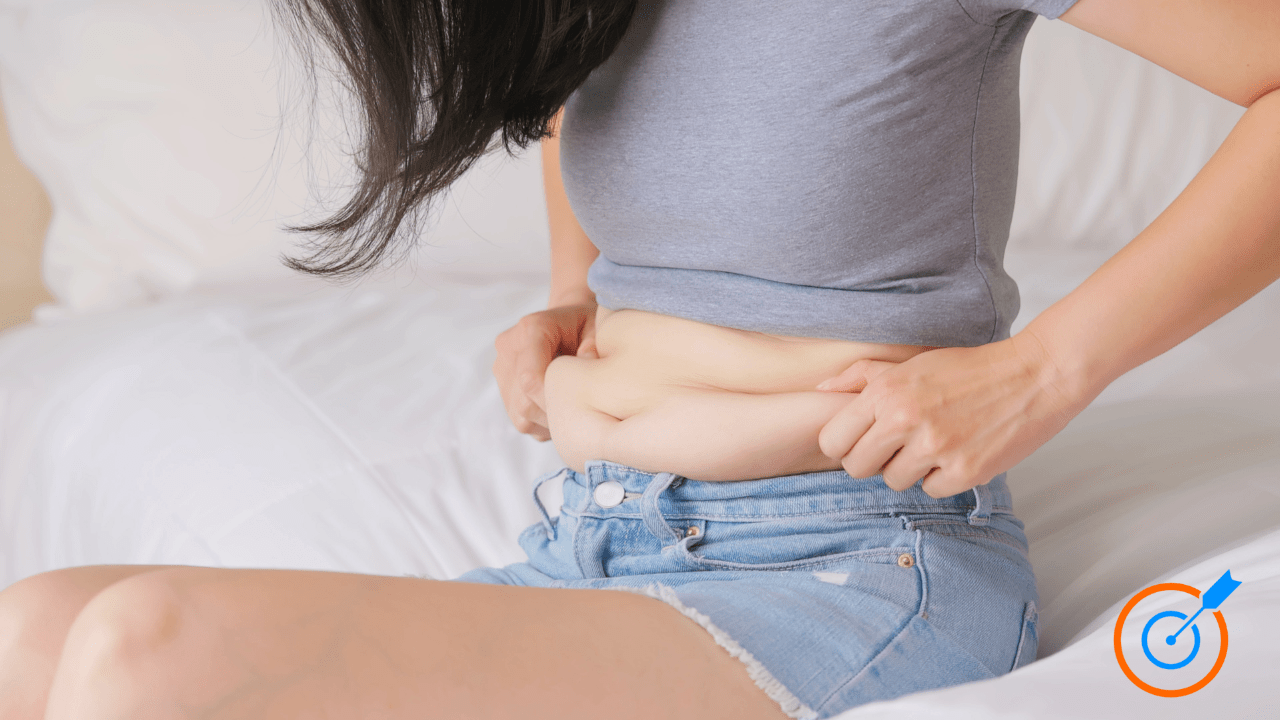
You can eat the salad, skip dessert, drag yourself through a workout, and still watch the scale act like it has a personal grudge. If that sounds familiar, hormone balance and weight gain may be part of the picture. Not as a trendy excuse. As a very real reason your body feels harder to manage than it used to.
For many women over 40, especially busy moms and professionals, weight gain is not just about willpower or calories. It often shows up alongside poor sleep, stubborn belly fat, cravings, mood swings, fatigue, heavier periods, PMS, or that lovely feeling of being tired and wired at the same time. When hormones are off, your body does not respond the way a diet app says it should. That does not mean you are broken. It means your body is asking for a smarter approach.
How hormone balance and weight gain are connected
Hormones are chemical messengers that help regulate appetite, blood sugar, metabolism, stress response, sleep, and where your body stores fat. When those signals are working well, your body tends to feel more stable. Hunger makes sense. Energy is more consistent. Cravings are manageable. Weight loss, if needed, becomes more realistic.
When those signals get disrupted, the body often shifts into survival mode. You may feel hungrier, burn fewer calories at rest, store more fat around the midsection, and have a much harder time recovering from stress. This is why two women can eat a similar diet and get wildly different results.
The frustrating part is that hormones do not operate in isolation. One imbalance tends to tug on another. Chronic stress can affect cortisol, which can disturb blood sugar, which can drive insulin issues, which can affect fat storage and cravings. Poor sleep can worsen hunger hormones and make emotional eating far more likely. This is where many women start blaming themselves for a problem that is far more physiological than personal.
The main hormones that influence weight
Insulin and blood sugar
Insulin helps move sugar from your bloodstream into your cells. When you are constantly riding the blood sugar roller coaster - skipping meals, relying on caffeine, grabbing quick carbs, then crashing by 3 p.m. - insulin can become a major player in weight gain.
Higher insulin levels can make fat loss harder, especially around the belly. It can also increase cravings, energy dips, and that bottomless hunger that appears right after you said you were being "good." If this sounds familiar, the goal is not to fear carbs. It is to stabilize blood sugar with balanced meals, enough protein, fiber, and a rhythm of eating that works with your life.
Cortisol and stress
Cortisol gets a bad reputation, but it is not the villain. It is a stress hormone designed to help you respond to challenges. The issue is that your body does not always know the difference between a true emergency and months of overcommitting, under-sleeping, overtraining, and running on coffee.
When cortisol stays elevated for too long, it can increase appetite, break down muscle, affect thyroid function, disrupt sleep, and encourage belly fat storage. It can also make you feel too exhausted to work out properly and too overwhelmed to make consistent food choices. That is not laziness. That is a stressed system.
Estrogen and progesterone
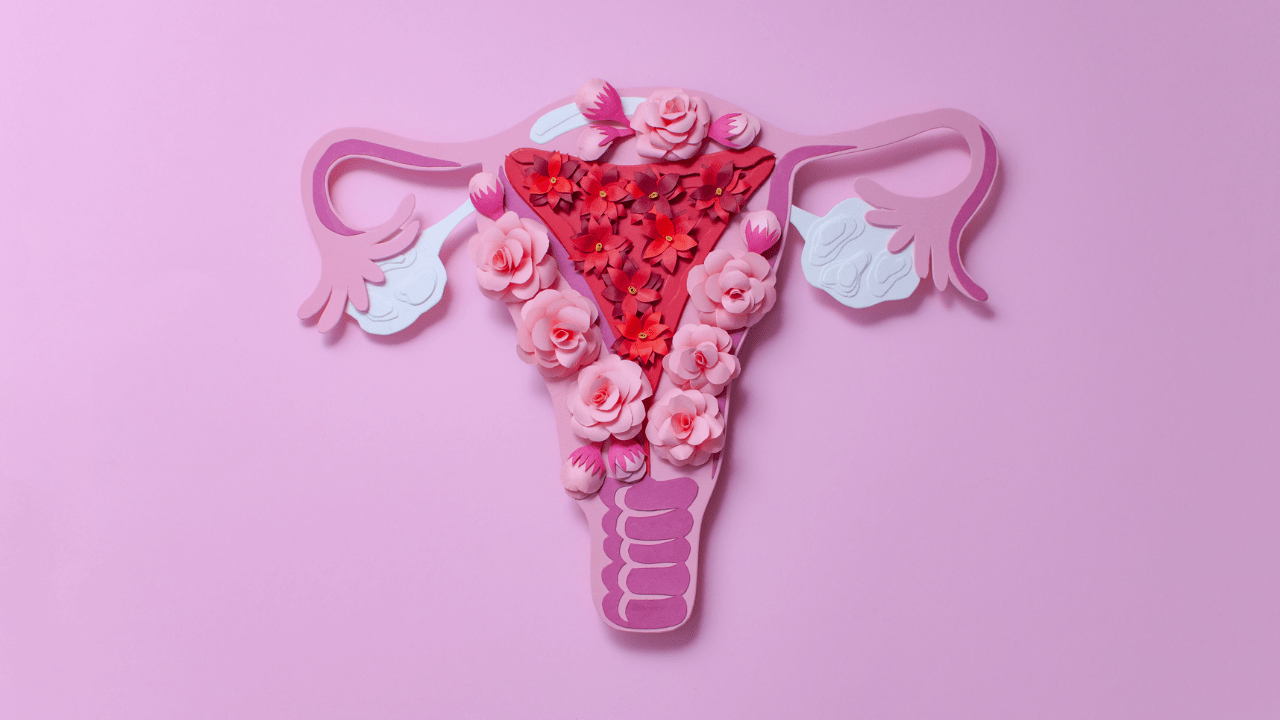
These hormones play a huge role in how women feel throughout the month and throughout different life stages. When estrogen is too high relative to progesterone, or when levels fluctuate more dramatically, symptoms can include bloating, mood changes, heavy periods, breast tenderness, sleep issues, and increased fat storage.
This becomes especially relevant in perimenopause, when hormones often become less predictable. Many women notice that the strategies that worked in their 20s suddenly stop working. Less sleep, more stress, and shifting estrogen patterns can make weight gain feel rapid and unfair. Honestly, sometimes it is unfair. But it is still workable.
Thyroid hormones
Your thyroid helps regulate metabolic rate, temperature, energy, and many aspects of daily function. When thyroid hormones are low, women often experience fatigue, brain fog, constipation, dry skin, low mood, and weight gain or difficulty losing weight.
A sluggish thyroid does not always mean dramatic weight gain on its own, but it can lower energy and make healthy habits much harder to maintain. If you feel like your body has hit the brakes and forgotten how to restart, thyroid health is worth paying attention to.
Leptin and ghrelin
These are your hunger and fullness hormones. Leptin helps signal satiety, while ghrelin stimulates hunger. When sleep is poor, stress is high, and meals are inconsistent, these hormones can get out of sync.
That is why after a rough night you can feel ravenous, crave sugar, and have the patience of a toddler in a grocery checkout line. It is not a character flaw. It is biology.
Why dieting can make hormone imbalance worse
This is the part that stings a bit. Many women are trying very hard to lose weight in ways that push hormones further off course.
Chronic under-eating can raise stress hormones, reduce thyroid output, and make cravings more intense. Over-exercising without enough recovery can do the same. Cutting out entire food groups may lead to short-term scale changes, but it often creates rebound eating, lower energy, and a body that feels less safe, not more supported.
If your body already feels stressed, inflamed, sleep-deprived, and undernourished, another round of white-knuckling through a restrictive plan is not the gold star move. It is pouring gas on the fire and then wondering why the kitchen is smoky.
What actually helps restore hormone balance
Start with blood sugar stability
One of the fastest ways to support hormones is to create more stable blood sugar. That means eating enough protein, including healthy fats, and building meals around whole foods that keep you satisfied. It also means not waiting until you are so hungry that you could chew through the steering wheel.
For many women, this simple shift improves cravings, energy, mood, and appetite control within a couple of weeks. Fancy protocols are not always the starting point. Consistency is.

Prioritize sleep like it matters - because it does
Sleep is one of the most underrated tools for weight loss and hormone support. Poor sleep affects cortisol, insulin sensitivity, hunger hormones, and your ability to make decisions that resemble your actual goals.
You do not need a perfect bedtime routine worthy of a wellness influencer. You need a realistic plan. A regular sleep schedule, less screen time late at night, and reducing caffeine dependence can make a meaningful difference.
Support stress, do not just talk about it
You cannot meditate your way out of a completely overloaded life, but stress support still matters. Walking, strength training, better boundaries, breathwork, journaling, and saying no without writing a five-page apology can all help lower the physiological burden on your body.
This is also where coaching can make a huge difference. When women have structure, accountability, and a plan that fits real life, stress drops because they are no longer guessing.
Build muscle and protect metabolism
If your goal is fat loss, especially in your 30s, 40s, and beyond, strength training matters. Muscle supports insulin sensitivity, metabolic health, and long-term body composition. It also tends to be more hormone-friendly than endless cardio, particularly when you are already burnt out.
The goal is not punishment. It is metabolic support. There is a big difference.
Look at the bigger picture
Hormone balance is not created by one smoothie, one supplement, or one magical seed cycle from the internet. It is influenced by nutrition, stress, gut health, sleep, movement, recovery, mindset, and in some cases underlying medical issues.
That means there is no single fix, but there is also more than one way to improve. If your symptoms are significant, proper testing and professional guidance may be important. A holistic approach does not mean guessing. It means addressing the root causes with more than one tool and there are lots of great tools to achieve hormone balance naturally.
When to stop blaming yourself
If you are dealing with hormone balance and weight gain, please hear this clearly: struggling does not mean you are failing. It may mean your body needs support, not more punishment.
Real progress usually starts when women stop asking, "How do I eat less and work out harder?" and start asking, "What does my body need so it feels safe enough to respond?" That is a very different conversation, and it leads to a very different result.
At Coach With Chris, this is the shift that matters most. Weight loss becomes more sustainable when health comes first. Not in a fluffy, light-a-candle-and-hope-for-the-best way. In a practical, structured, real-life way that helps your body work with you again.
If your body has been waving red flags through fatigue, cravings, mood swings, belly fat, or stalled progress, listen to it. You do not need another extreme plan. You need a strategy that respects your hormones, supports your metabolism, and fits the life you are actually living. That is where change starts feeling possible again. Reach out, and we'll get you on the right path!


0 comments