
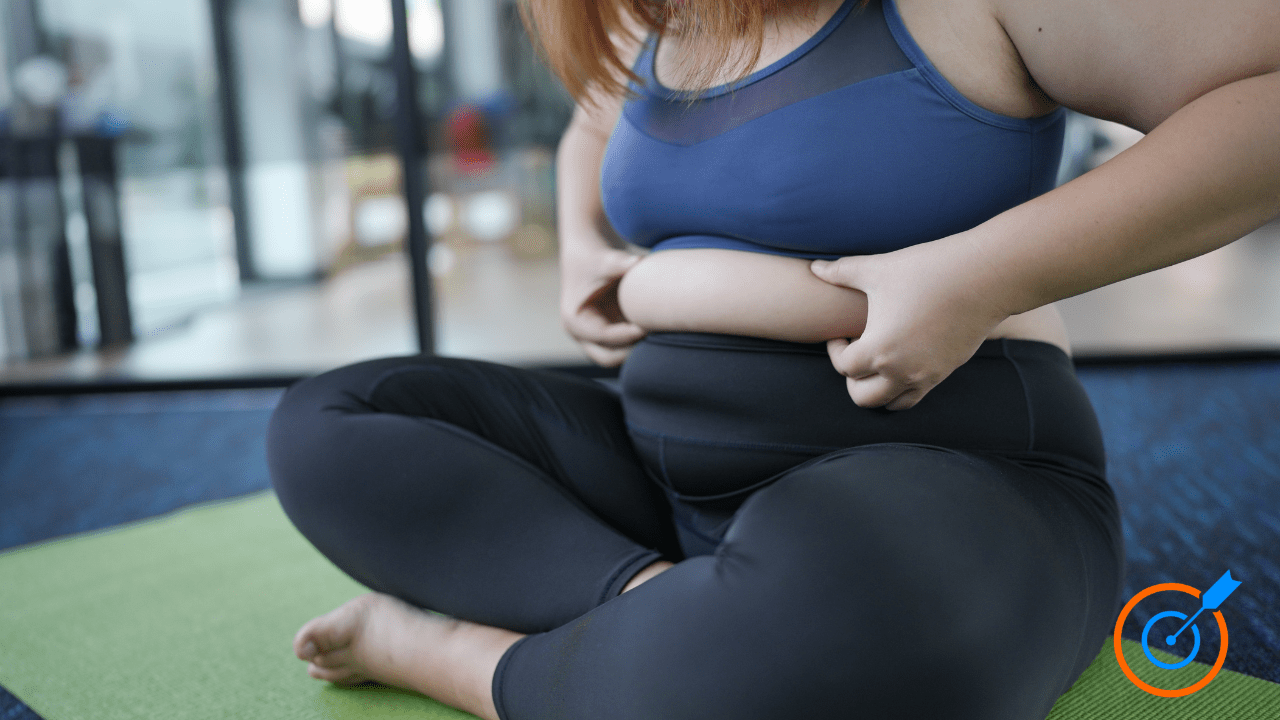
If you have ever lost 10 pounds by cutting carbs, skipping meals, or starting another strict plan, only to gain it back weeks later, you are not the problem. That cycle is exactly why so many women ask, is it possible to lose weight without dieting? The short answer is yes, but not by doing nothing. You still need a strategy. The difference is that sustainable weight loss comes from restoring your body, not fighting it.
For many women over 30, 40 especially busy moms and professionals, weight gain is not just about willpower. It is tied to stress, poor sleep, blood sugar swings, emotional eating, low muscle mass, gut issues, hormone changes, and years of dieting that have made the body feel less responsive. When you only focus on eating less, you miss the deeper reasons the weight is staying on.
Is it possible to lose weight without dieting or deprivation?
Yes, but it depends on what you mean by dieting. If by dieting you mean following rigid food rules, cutting out everything you enjoy, obsessively counting every calorie, or white-knuckling your way through hunger, then no, that is not required for weight loss. In fact, for many women, that approach backfires.
Restriction often creates a short-term drop on the scale, followed by cravings, burnout, overeating, and guilt. It can also lower energy, make workouts feel harder, and increase the all-or-nothing mindset that keeps women stuck for years. You do not need more food fear. You need a plan that helps your body feel safe, nourished, and supported.
That said, losing weight without dieting does not mean eating whatever you want in any amount and expecting your body to change. It means shifting from punishment to structure. You still need consistency, awareness, and healthier patterns. The goal is not to be less disciplined. The goal is to use discipline in a way that actually works long term.
Why traditional dieting stops working
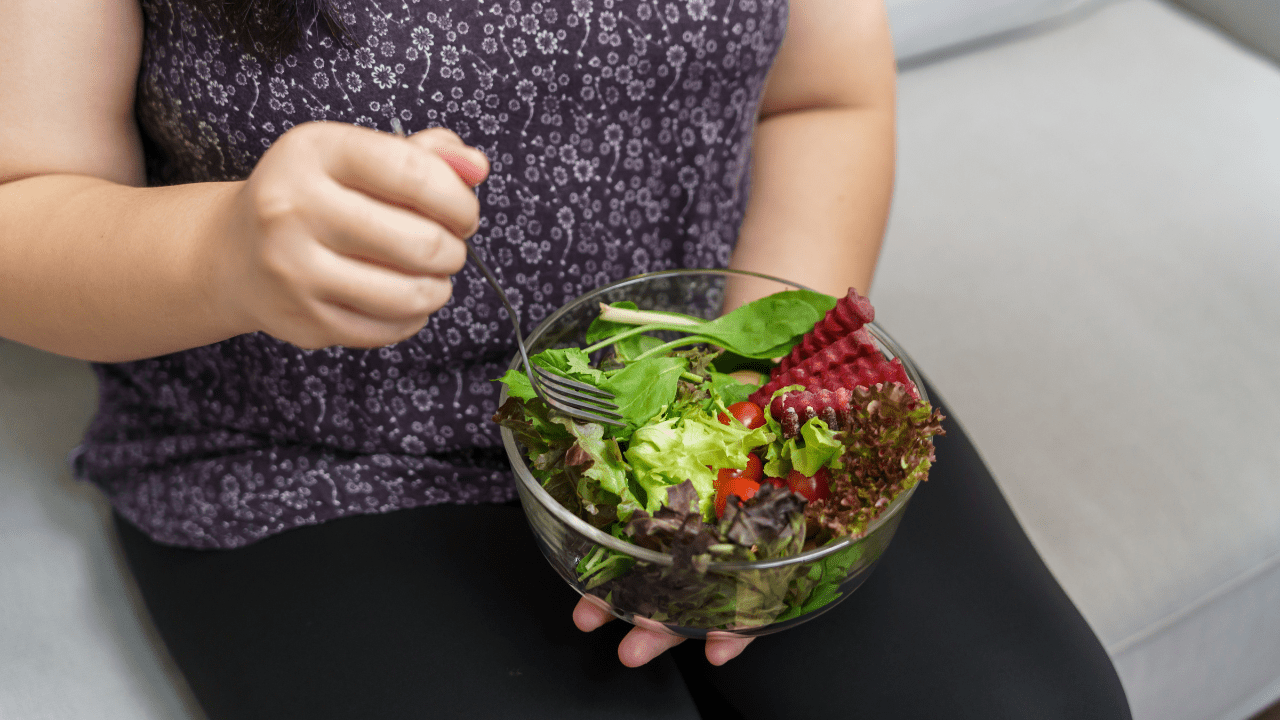
Many women have spent years bouncing between being very strict and completely off track. That pattern can affect more than motivation. It can change hunger cues, increase stress around food, and make eating feel emotionally loaded.
When you diet hard, your body often responds by conserving energy and increasing appetite. You may notice stronger cravings, lower mood, fatigue, and a constant mental battle around food. Then when life gets busy, the plan falls apart, and it feels like you failed. What actually failed was the method.
This is especially true if your weight gain is connected to hormone shifts, poor sleep, chronic stress, insulin resistance, or digestive issues. In those cases, simply cutting calories harder may not solve the real problem. It can make it worse.
A better approach looks at the body as a whole system. If your metabolism is under-supported, your blood sugar is unstable, and your habits are built around survival mode, the answer is not more restriction. The answer is rebuilding health in a way your body can respond to.
What actually helps you lose weight without dieting
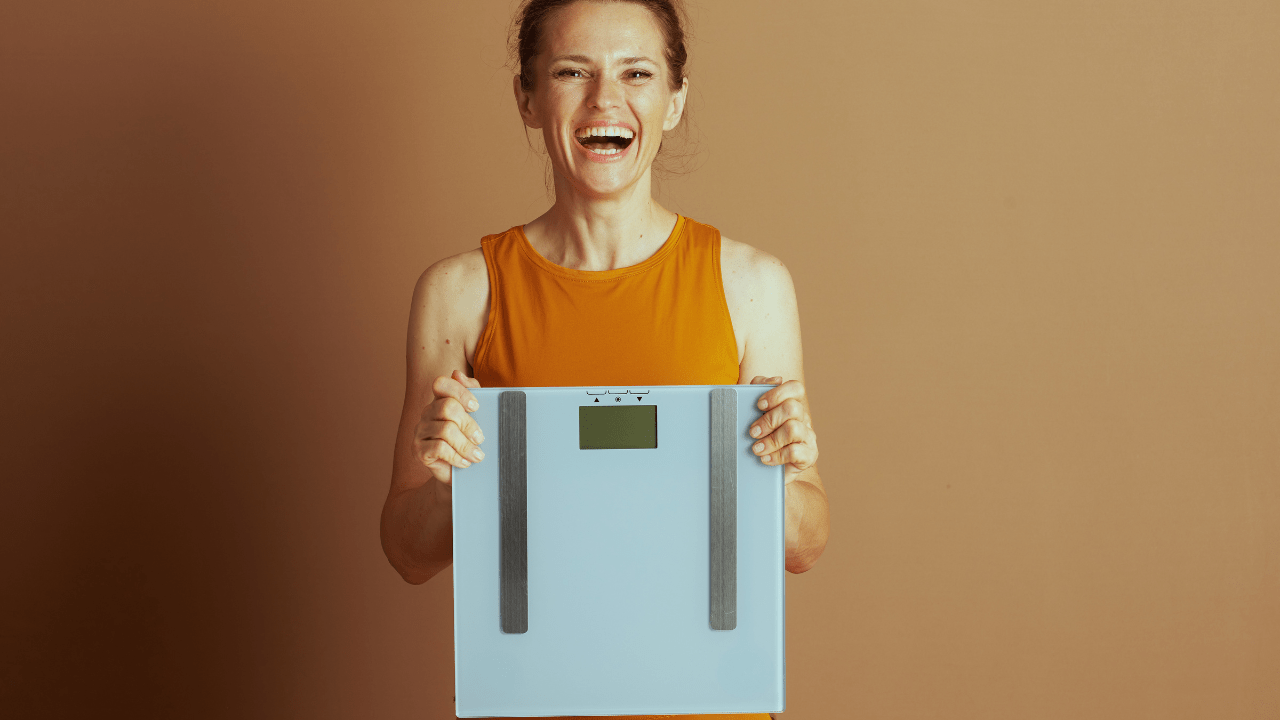
The women who get lasting results usually stop chasing quick fixes and start focusing on simple, repeatable habits. That is where real transformation happens.
Eat to regulate blood sugar
One of the fastest ways to reduce cravings and support steady energy is to stop eating in a way that sends blood sugar on a roller coaster. If breakfast is coffee and a muffin, lunch is rushed, and supper happens when you are already starving, your body is set up for crashes and cravings.
Balanced meals make a major difference. That means building meals around protein, fiber, healthy fats, and whole-food carbs in portions that leave you satisfied, not stuffed. When blood sugar is more stable, many women notice they stop thinking about food all day and start feeling more in control around snacks and treats.
Prioritize protein and muscle support
If you want your body to burn energy more efficiently, preserving and building lean muscle matters. This becomes even more important as women move through their 30s, 40s, and beyond. Undereating protein while trying to lose weight can leave you weaker, hungrier, and more likely to plateau.
You do not need punishing workouts to improve body composition. Consistent strength training, walking, and enough protein can go a long way. The goal is not to punish your body into shrinking. It is to create a healthier metabolism that supports fat loss.
Fix the habit loops that keep you stuck
A lot of eating has nothing to do with physical hunger. It is stress, exhaustion, reward, loneliness, boredom, or the five quiet minutes after the kids go to bed. If that is your pattern, another meal plan will not fully solve it.
This is where coaching and accountability can change everything. You need to notice the trigger, understand the pattern, and build a new response that still meets your needs. That may mean improving evening routines, planning satisfying meals earlier in the day, setting boundaries, or learning how to manage stress without food always being the answer.
Support sleep and stress recovery
This part gets overlooked constantly, but it matters. When sleep is poor and stress is high, cravings usually increase, patience drops, and energy for meal prep or movement disappears. On top of that, the body is more likely to hold onto weight when it feels constantly stressed.
You do not need a perfect morning routine or a silent house to improve this. Small changes help - going to bed a bit earlier, reducing late-night snacking, getting outside in the morning, and creating even one calming habit that helps your nervous system settle. Weight loss is easier when your body is not constantly in fight-or-flight mode.
Heal your relationship with food
If every food choice feels like you are either being good or bad, that mindset will keep draining your energy. Sustainable weight loss requires a healthier relationship with food, where you can enjoy meals, make intentional choices, and recover quickly after imperfect days.
This does not mean being casual about your goals. It means removing the drama from eating so consistency becomes possible. Women often lose more weight when they stop spiraling after one off-plan meal and simply get back to their routine at the next one.

Is it possible to lose weight without dieting if hormones are involved?
Yes, but the path may need more patience and more personalization. If you are dealing with perimenopause, thyroid issues, insulin resistance, high stress, digestive problems, or a long history of dieting, your body may need support before it responds fully.
That is why a holistic approach matters. Weight loss is not only a food issue. It can also be a metabolism issue, a gut health issue, a stress issue, or a mindset issue. When those layers are addressed together, the body often becomes more responsive.
This is also why extreme plans can feel especially discouraging. They promise fast results but ignore the real reasons you are struggling. A structured coaching approach, like the kind Coach With Chris is known for, helps women work on the root causes while building daily habits that fit real life.
What this looks like in real life
Losing weight without dieting usually looks less dramatic than most women expect. It is eating breakfast with enough protein instead of skipping it. It is planning meals before the workday gets chaotic. It is walking after supper, strength training a few times a week, sleeping more consistently, and learning not to use food as the only coping tool.
It also looks like letting go of the fantasy that you need to be perfect to get results. You do not. You need a method you can repeat during busy weeks, stressful seasons, and imperfect days.
That is the real trade-off. Extreme dieting can feel exciting because it is intense. Sustainable change can feel slower because it is steady. But steady is what finally works.
If you are asking whether it is possible to lose weight without dieting, the better question may be this: are you ready to stop chasing short-term weight loss and start building a body that feels healthy, strong, and supported? That is where lasting change begins. You can do it!


0 comments