
If you feel like your body stopped responding to the same tricks that used to work at 25, you are not imagining it. A real women over 40 weight loss guide has to start with the truth - your body is not beyond repair, but it is asking for a different strategy.
This is the decade when many women notice the same frustrating pattern. You eat less, try to be "good," push harder in workouts, and the scale barely moves. Meanwhile, energy drops, cravings climb, sleep gets lighter, belly fat shows up uninvited, and stress seems to settle right around the midsection like it pays rent. Annoying? Absolutely. Hopeless? Not even close.
Why a women over 40 weight loss guide needs a different approach
Weight loss after 40 is not just about calories. Yes, energy balance matters, but that is only one piece of the picture. Hormonal shifts, stress, poor sleep, blood sugar swings, gut issues, and years of inconsistent habits can all affect how your body stores fat and uses energy.
This is why old-school dieting so often backfires. Severe calorie cuts may give you a short-term drop, but they also tend to increase cravings, lower energy, raise stress, and make it harder to stay consistent. Add a demanding job, family responsibilities, and the usual Canadian life pace, and you do not need another plan that expects you to live on salad and willpower.
What actually works is restoring health while creating a steady calorie deficit in a way your body can tolerate. That means supporting metabolism, improving digestion, balancing meals, building strength, and reducing the daily chaos that keeps pushing you toward sugar, caffeine, and late-night snacking.

Start with what is really driving the weight gain
Before changing everything at once, look at the patterns underneath the weight gain. For some women, the biggest issue is stress. Cortisol stays high, sleep suffers, and the body keeps asking for quick energy. For others, it is blood sugar instability. They skip meals, crash in the afternoon, then snack all evening because their body is trying to catch up.
Digestive issues matter too. If you feel bloated after meals, constipated, puffy, or uncomfortable most days, your gut may be part of the problem. Poor digestion can affect appetite, inflammation, cravings, and how you feel in your own skin. Menopause and perimenopause can add another layer, especially when estrogen and progesterone start shifting and the body becomes less forgiving.
The point is simple. If you only attack the symptom, which is the weight, and ignore the systems underneath, progress will stay harder than it needs to be.
The best women over 40 weight loss guide focuses on health first
This is where many women finally get traction. Instead of asking, "How little can I eat?" ask, "What does my body need so it can feel safe enough to let go of the extra weight?"
Health-first weight loss is not a fluffy wellness slogan. It is practical. It means eating enough protein to preserve muscle, choosing whole foods that stabilize blood sugar, getting fiber in daily, improving hydration, and reducing inflammatory habits that keep your body under pressure. It also means paying attention to sleep, stress, digestion, and recovery.
When those areas improve, weight loss often becomes less of a fight. Not effortless, because let us be honest, changing habits is still work. But it becomes more predictable.
Protein, fiber, and balanced meals matter more than perfection
If your meals are built around toast, coffee, and whatever is left on the kids' plates, the first fix is not detox tea. It is meal structure.
Aim to include protein at each meal. That could be eggs, Greek yogurt, chicken, turkey, fish, cottage cheese, tofu, or quality protein shakes if needed. Add fiber-rich carbs and vegetables, plus healthy fats in reasonable amounts. This helps you stay full longer, supports muscle, and reduces the blood sugar roller coaster that drives cravings.
No, you do not need to eat like a bodybuilder. You do need meals that actually satisfy you.
Strength training beats punishing cardio
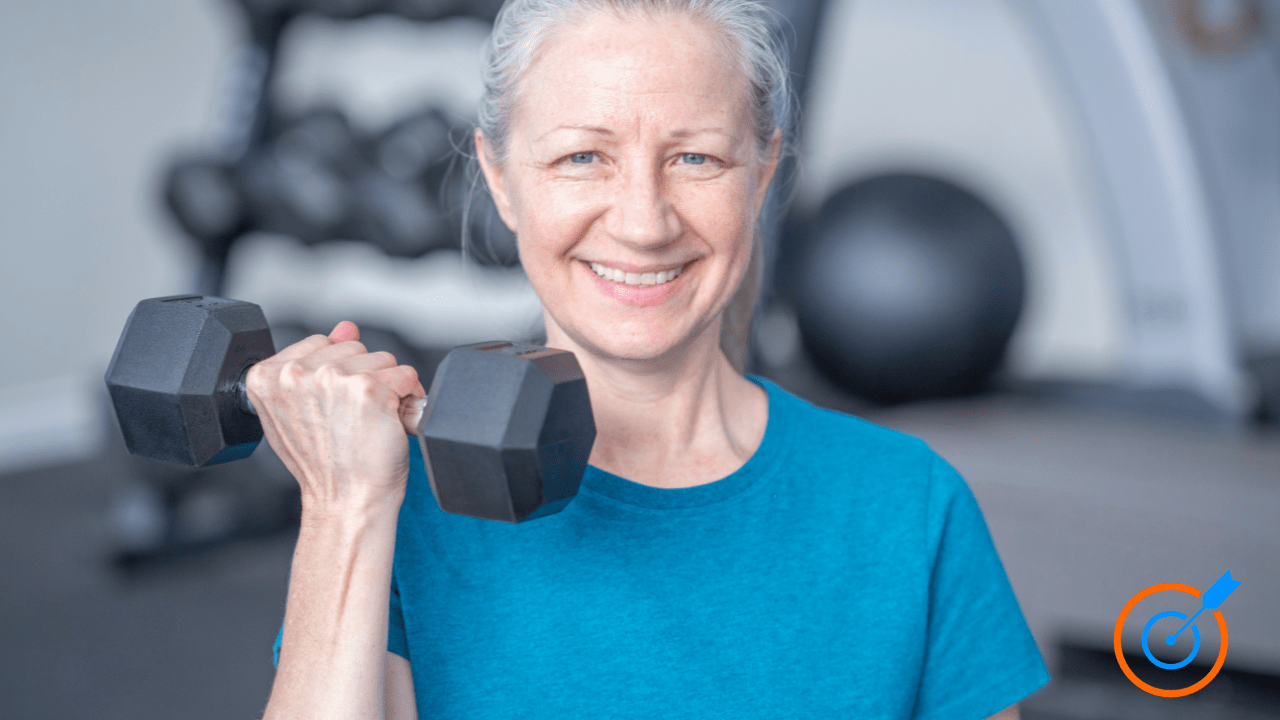
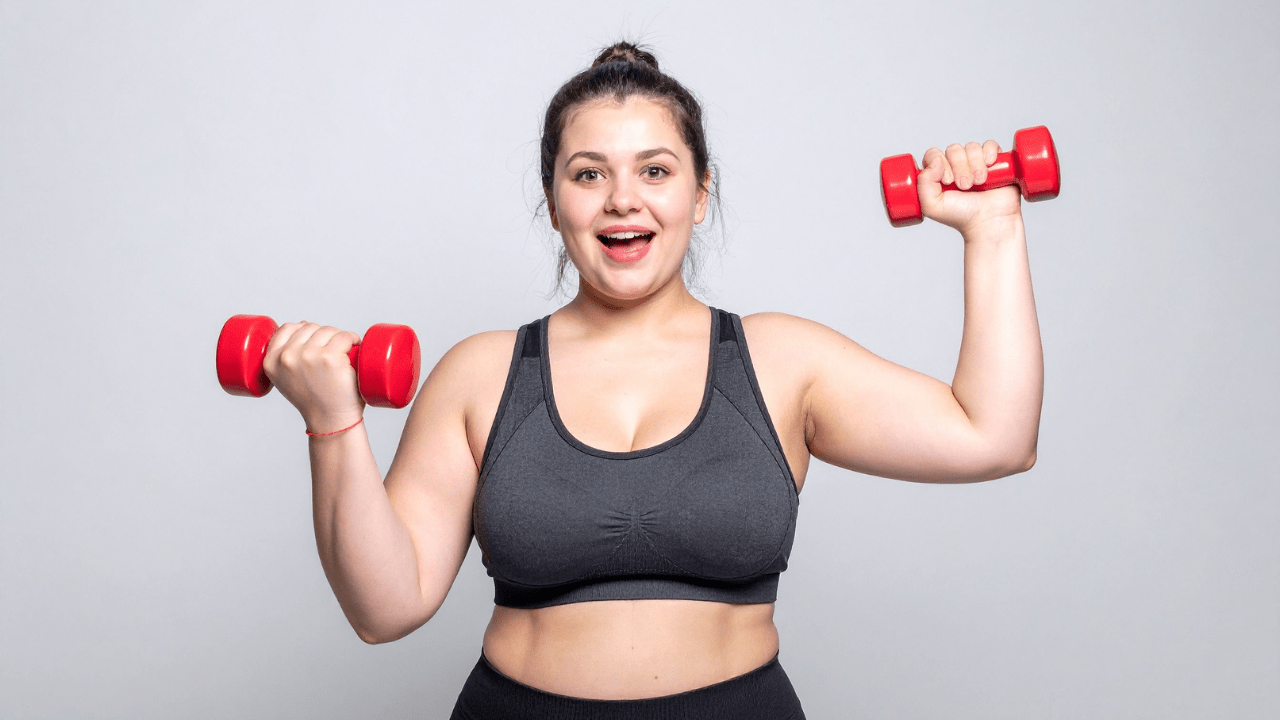
If your current plan is trying to sweat off last weekend with endless cardio, there is a better way. Women over 40 benefit hugely from strength training because it helps preserve and build lean muscle, which supports metabolism, insulin sensitivity, posture, and confidence.
Cardio still has value, especially walking, cycling, or intervals done intelligently. But too much high-intensity exercise on top of poor sleep and high stress can backfire. The goal is not to crush yourself. The goal is to signal to your body that it should stay strong, capable, and metabolically active.
Two to four strength sessions per week, plus regular walking, is often far more effective than random bootcamp suffering.
Sleep is not optional if you want fat loss
Here is the unsexy truth. If you are sleeping five or six broken hours a night, fat loss gets harder. Hunger hormones shift, cravings rise, recovery drops, and your patience for healthy choices disappears by 3 p.m.
You do not need a perfect bedtime routine with lavender mist and whale sounds. But you do need to treat sleep like part of the plan. A consistent bedtime, less late-night scrolling, lower caffeine intake, and better blood sugar control can make a real difference.
Your stress habits may be the hidden obstacle
Many women are not overeating because they lack knowledge. They are overeating because they are exhausted, emotionally maxed out, and using food as relief. That is not failure. That is a coping pattern.
The answer is not shame. It is building better support around the vulnerable times of day. That may mean eating a proper lunch instead of powering through, having a planned afternoon snack, setting boundaries with work, or replacing evening grazing with another form of decompression. Not every craving is physical. Some are your nervous system asking for a break.

What sustainable weight loss looks like after 40
It usually looks less dramatic than diet culture promised, and a lot more effective.
You eat consistently instead of swinging between restriction and overeating. You strength train even when motivation is average. You walk more. You sleep better most nights, not every night. You learn which foods support your energy and which ones trigger a spiral. You stop starting over every Monday.
Progress might be one to two pounds per week for some, slower for others, especially if hormones, medications, or chronic stress are involved. That does not mean the plan is failing. It means your body may need more repair before it lets go quickly. Slow progress with better energy, fewer cravings, improved digestion, and looser clothes is still progress.
This is also where accountability changes everything. Most women do not need more information. They need structure, personalization, and someone to call them out kindly when they are letting old patterns run the show. That is one reason coaching works so well. It turns good intentions into repeatable action.
Common mistakes women over 40 make when trying to lose weight
The biggest mistake is chasing intensity instead of consistency. Going all-in for 10 days and then burning out is not commitment. It is a stress response wearing activewear.
Another common mistake is undereating during the day and overeating at night. This pattern keeps many women stuck because they believe they are doing well until dinner, then blame themselves for lacking discipline. Usually, the issue is that the body was unrefueled for hours.
There is also the temptation to try every new supplement, cleanse, or hormone hack before fixing the basics. Some supplements can help, depending on the person. But no powder will outperform regular meals, strength training, quality sleep, and a calmer nervous system.
And finally, many women assume menopause means weight gain is inevitable. It can be more challenging, yes. But inevitable? No. Your body may need a smarter plan, not a surrender speech.
A practical path forward
If you want results, simplify. Build each meal around protein. Eat enough fibre and vegetables. Walk daily. Strength train a few times a week. Improve sleep. Reduce the all-or-nothing thinking that has wasted enough of your life already.
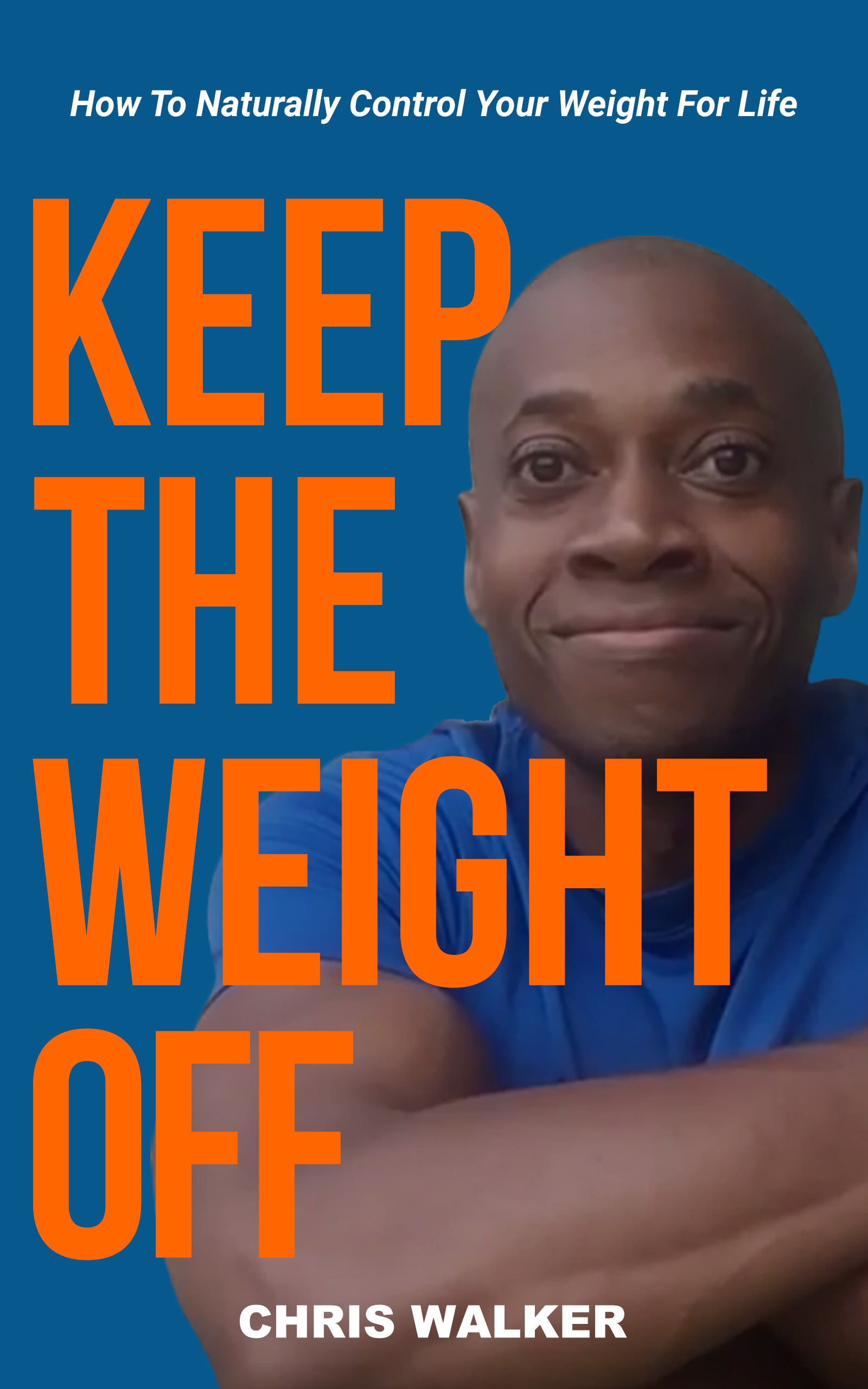
If digestion, hormones, or cravings feel out of control, get support and address the root cause instead of white-knuckling your way through it. A holistic coaching approach, like the kind used at Coach With Chris, can help connect the dots between metabolism, habits, gut health, and mindset so the plan fits your real life.
You do not need to punish your body into changing. You need to work with it, consistently, long enough to let it respond.
Your body after 40 is not a lost cause. It is a wise one. Treat it with better strategy, better support, and a lot less nonsense, and it can still surprise you. You've got this!


0 comments