


You tell yourself you are just going to have a little something after a hard day. Then it turns into handfuls, seconds, and that familiar feeling of being too full and still not satisfied. If you have been wondering how to stop eating from stress, the answer is not more willpower. It is understanding what your body and brain are trying to do, then giving them a better plan.
For many women over 40, stress eating is not about a lack of discipline. It is a pattern built from exhaustion, hormone shifts, blood sugar swings, poor sleep, and a life that asks too much from you. If you are juggling work, family, aging parents, and a body that suddenly does not respond the way it used to, no wonder food starts to feel like relief. The good news is that relief and healing do not have to come from the snack cupboard.
Why stress eating feels so hard to stop
Stress eating works fast, and that is exactly why it becomes a habit. When you feel overwhelmed, your nervous system wants comfort and quick energy. Sugary, salty, crunchy foods deliver that little burst of dopamine and distraction. For a few minutes, it feels like the edge comes off.
Then the crash hits. Your energy drops, guilt kicks in, blood sugar gets more unstable, and the next craving shows up even stronger. This is where many women blame themselves, when really they are caught in a loop that is physical as much as emotional.
There is also a big difference between true hunger and stress hunger. True hunger builds gradually and can be satisfied by a balanced meal. Stress hunger is usually urgent, specific, and emotionally loaded. It often sounds like, I need chocolate right now, or I deserve chips after this day. One is your body asking for fuel. The other is your stress response asking for escape.

How to stop eating from stress without relying on willpower
If your only plan is to resist cravings, you will end up tired and frustrated. Willpower is a flimsy little thing when you are under-slept, underfed, and overbooked. A better approach is to reduce the triggers that make stress eating more likely in the first place.
Start with your meals.
Start with your meals. Skipping breakfast, grazing all day, or trying to be extra good until supper usually backfires. When your body is not getting enough protein, fiber, and steady nourishment, stress has a much easier time hijacking your appetite. A balanced breakfast and regular meals can calm cravings more than any motivational quote ever could.
Sleep matters just as much.
Sleep matters just as much. One rough night can increase hunger, reduce patience, and make high-calorie comfort food feel practically magnetic. If you are tired all the time, your body is giving you great feedback. It is trying to protect you by pushing you toward quick energy. That means fixing stress eating often includes fixing sleep.
Your environment counts too.
Your environment counts too. If the foods you reach for on autopilot are always front and center, you are making this harder than it needs to be. This does not mean you need a joyless kitchen full of celery and sadness. It means setting up your space so that the easiest options support your goals instead of sabotaging them.

The pause that changes everything
One of the most effective tools is also the least dramatic. Pause before you eat.
Not forever. Not with guilt. Just long enough to ask, what do I actually need right now?
Sometimes the answer is food. Great. Eat a proper meal and move on. Sometimes the answer is that you are anxious, lonely, angry, overstimulated, or running on empty. Food may still sound appealing, but it is no longer the only solution in the room.
This pause helps you separate the urge from the action. That gap is where change begins. At first it may only last 10 seconds. That is still progress. You are interrupting a pattern that used to run the whole show.
What to do instead of stress eating
You do need alternatives, but they have to be realistic. If you are stressed out at 8:30 p.m., no one is expecting you to light a candle, journal for 40 minutes, and become a new woman by bedtime. Your tools need to work in real life.
A few of the most helpful options are surprisingly simple. Drink a glass of water and step away from the kitchen for five minutes. Make a tea. Eat a protein-based snack if you realize you are genuinely hungry. Go outside for fresh air. Put your phone down and take ten slow breaths. Text a friend instead of going into the kitchen. If your body is buzzing with tension, do something physical for a few minutes, even if it is just walking around the block or marching in your living room while nobody watches. Your dog will judge you less than you think.
The point is not to be perfect. The point is to teach your brain that stress can be answered in more than one way.
Emotional eating often starts earlier than the craving
Most women think the problem starts when they want the cookies. In reality, it often starts hours earlier.
Maybe you had coffee for breakfast and called it efficiency. Maybe lunch was inhaled at your desk while answering emails. Maybe you said yes to one more thing you did not have time for, then pushed through the afternoon feeling wired and depleted. By evening, your body is begging for relief, and food becomes the easiest target.
This matters because it changes the solution. You do not just need a strategy for nighttime snacking. You need a better rhythm for your day.
That might mean eating enough protein at breakfast, planning meals instead of winging it, taking a short break before you hit the wall, or getting honest about how much stress your body is carrying. Women are very good at functioning while overloaded. That does not mean the body agrees with the arrangement.
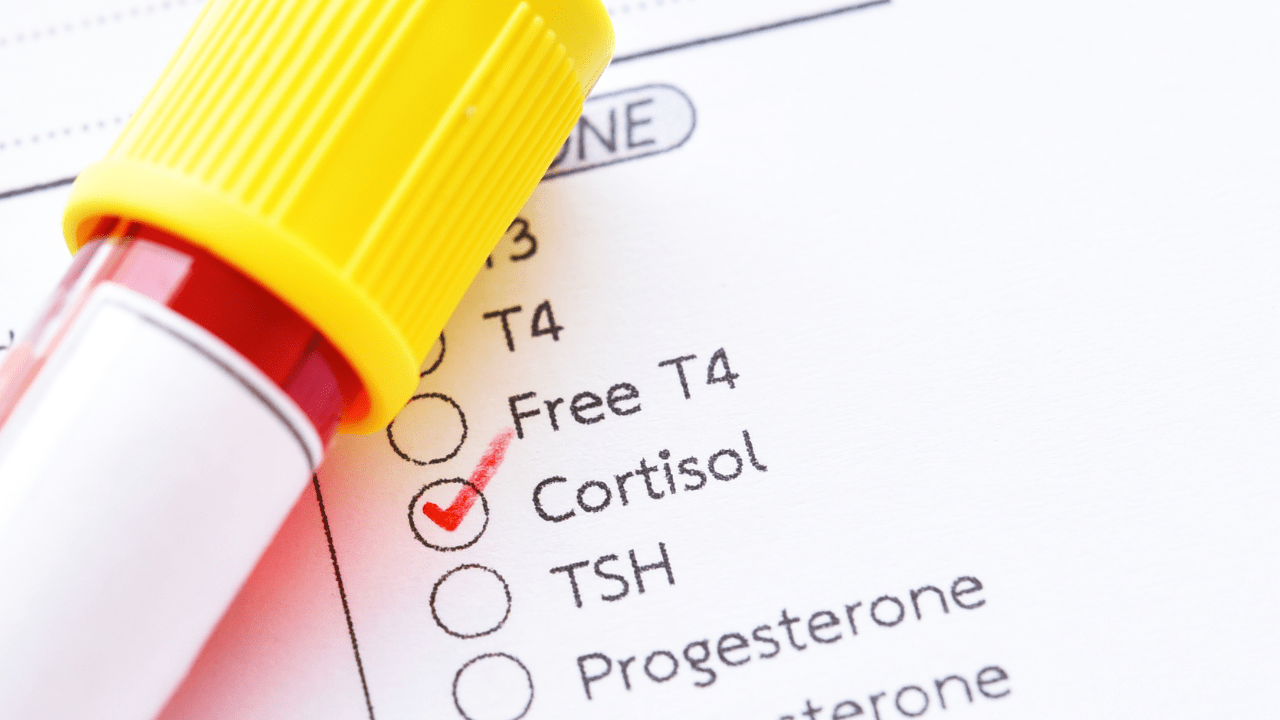
When hormones, cortisol, and blood sugar are part of the picture
If stress eating has become more intense in your 40s or 50s, that is not in your head. Hormonal changes can make cravings, mood swings, sleep issues, and belly fat more stubborn. Add high cortisol and unstable blood sugar, and suddenly your appetite feels louder, your patience feels smaller, and your old strategies stop working.
This is why restrictive dieting usually makes things worse. When you cut calories too hard, skip meals, or try to out-exercise your stress, the body often responds by increasing cravings and conserving energy. That is not failure. That is biology doing what biology does.
A more effective approach is to support your body instead of fighting it. Prioritize protein, fiber, hydration, and whole foods most of the time. Reduce the blood sugar roller coaster. Support digestion. Create consistent meal timing. Work on sleep. Get your stress response down from DEFCON 1. This is slower than crash dieting, but it is also what actually lasts.
How to stop eating from stress in the moment
When the urge hits hard, use a short script. Keep it simple.
1. Name
First, name what is happening. I want food, but I am stressed.
2. Check
Second, check your body. Am I physically hungry, tired, angry, lonely, or overstimulated?
3. Choose
Third, choose the next best step. If you are hungry, eat a real meal or snack with protein. If you are stressed, buy yourself ten minutes before deciding. If you still want the food after that, you can have it with awareness instead of autopilot.
That last part matters. This is not about never eating comfort food again. It is about stopping the trance-like, disconnected pattern where stress makes every decision. You are aiming for conscious choice, not food fear.
Real change comes from support and structure
If you have tried to fix emotional eating on your own and keep ending up back in the same place, that does not mean you are beyond help. It usually means the problem is bigger than one habit. Stress eating is often tied to metabolism, routines, mindset, sleep, digestion, and the invisible mental load you carry every day.
That is why coaching can be powerful. The right support helps you spot patterns, build better systems, and stay accountable when motivation drops. At Coach With Chris, this is part of a bigger health restoration approach. The goal is not just to eat less when you are stressed. The goal is to become the kind of woman who feels steady enough that food is no longer her main coping tool.
And yes, that takes practice. It also takes compassion. Shame does not heal stress eating. Structure does.
So the next time you find yourself standing in the kitchen looking for peace in a bag or a box, do not ask, what is wrong with me? Ask, what is my body asking for that food has been covering up? That question can change a lot, because the woman you want to become is not built through punishment. She is built through small, steady choices that teach her body it is finally safe to stop fighting for relief. You've got this! Reach out if you need support!

FAQ Related To Stress Eating
The general signs of stress eating are:
- Eating in response to stressful situations
- Eating when you aren't hungry or when you're full.
- Eating to avoid dealing with a stressful situation.
- Eating to soothe your feelings.
- Using food as a reward.
It's not normal but stress can influence our appetite, how much we eat, and the types of food we are likely to choose.
The "20 chew rule" (often called the 20-20-20 rule) is a mindful eating strategy designed to prevent overeating and improve digestion. It suggests taking small, coin-sized bites of food, chewing each bite 20 times (or until pureed), and taking 20 minutes to finish your meal.
To manage stress, focus on foods that regulate cortisol, lower inflammation, and boost mood-enhancing neurotransmitters like serotonin. Foods like avocados, fatty fish and dark chocolate.

0 comments