


If you have ever sworn off sugar on Monday, white-knuckled your way through Wednesday, and found yourself standing in the pantry by Friday eating crackers like they insulted you first, you are not lacking willpower. You are likely missing the best habits for sustainable weight loss - the kind that work with your real life, your hormones, your stress, and your metabolism instead of fighting all of them at once.
For busy women over 40, weight loss usually stops being a simple math problem. Sleep changes. Stress is higher. Digestion gets pickier. Energy drops. Belly fat seems to appear out of nowhere and act like it pays rent. That is why sustainable weight loss has to be built on health-restoring habits, not short bursts of restriction.
Why the best habits for sustainable weight loss work differently
Quick-fix diets often promise fast results because they cut calories hard, eliminate entire food groups, or demand an exercise routine that would exhaust a college athlete. Yes, some women do lose weight that way at first. But the trade-off is usually cravings, burnout, slower metabolism, and the very familiar rebound that makes you feel like your body betrayed you.
Sustainable weight loss works differently. It improves the conditions inside your body so fat loss becomes more possible and more maintainable. That means steadier blood sugar, better sleep, fewer stress spikes, improved digestion, more muscle support, and habits you can repeat when work is busy, kids are sick, or life gets messy.
The goal is not to be perfect. The goal is to become consistent enough that your body can finally trust the process.
1. Eat enough protein early in the day
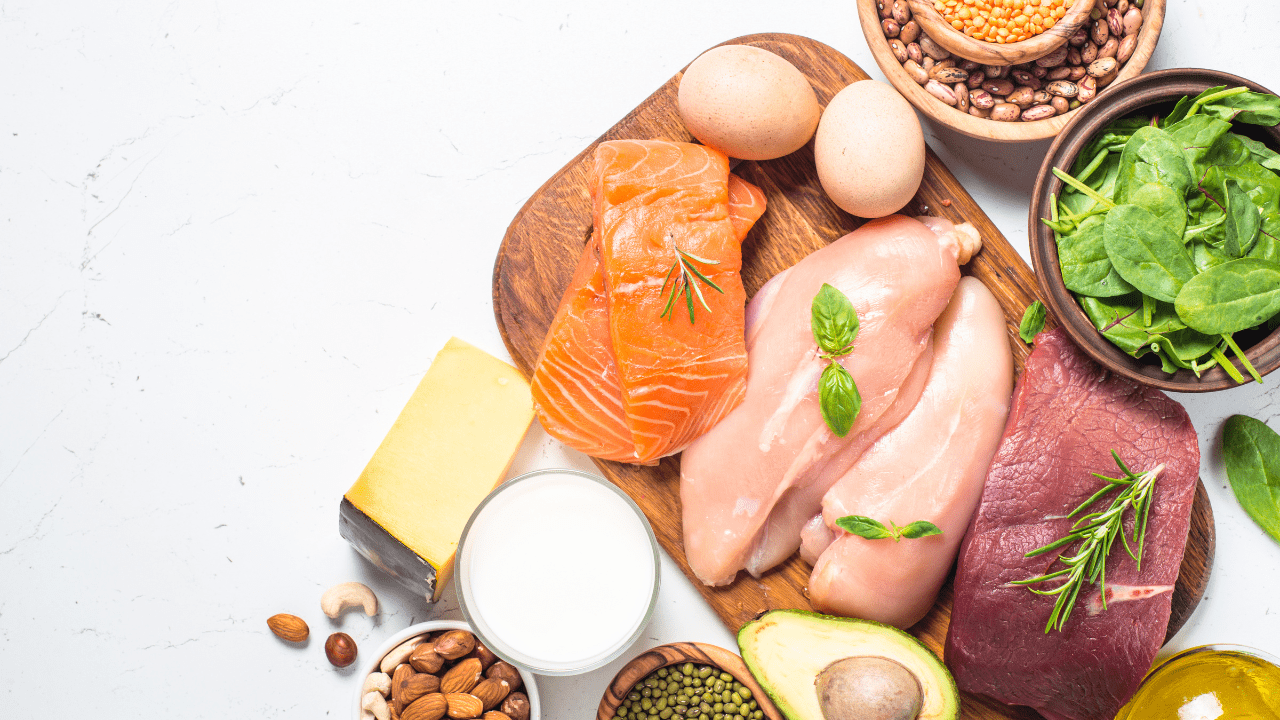
Many women start the day with coffee, a muffin, or nothing at all, then wonder why the 3 p.m. cravings hit like a truck. A low-protein breakfast makes it harder to regulate appetite, blood sugar, and energy. It can also leave you chasing snacks all day.
A better habit is to build breakfast around protein first. Eggs, Greek yogurt, a protein smoothie, cottage cheese, or leftovers from dinner all count. It does not need to be fancy. It needs to be consistent.
This one habit often helps reduce cravings later in the day and supports muscle, which matters more than ever after 40. More muscle support generally means better metabolic health. Not magic - just physiology.
2. Build meals, do not just grab food
There is a difference between eating and building a meal. Grabbing a granola bar in the car is eating. A real meal has enough protein, fiber, and healthy fats to keep you full and steady.
Think in simple parts: protein, produce, and a smart carb or healthy fat depending on your energy needs. For some women, adding carbs at lunch helps prevent late-night snacking. For others, too many processed carbs early in the day leads to a crash. This is where personalization matters.
The habit here is not meal perfection. It is asking one better question before you eat: will this keep me satisfied for the next few hours? If the answer is no, you are probably setting up the next craving.
3. Stop treating stress like a side issue
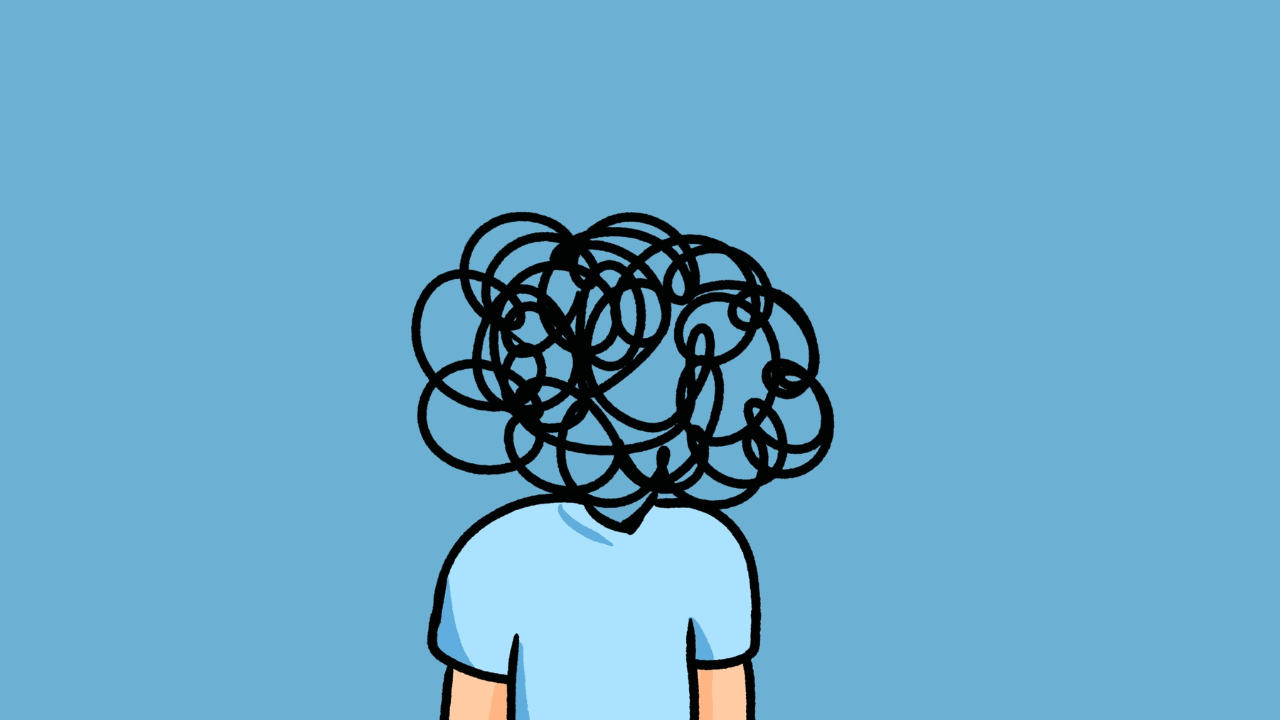
If your body is under constant stress, weight loss gets harder. Full stop. High stress can affect hunger, cravings, sleep quality, digestion, blood sugar, and food choices. It can also make your body more likely to hold on to belly fat.
That does not mean stress causes every weight issue. But ignoring it while trying to lose weight is like trying to mop the floor while the tap is still running.
One of the best habits for sustainable weight loss is creating a daily stress reset that is short enough to actually happen. That might be a 10-minute walk after lunch, five slow breaths before meals, journaling before bed, or saying no to one extra commitment this week. No, it is not glamorous. Yes, it matters.
4. Prioritize sleep like it affects your waistline, because it does
Poor sleep is one of the fastest ways to increase cravings, lower patience, disrupt hunger signals, and reduce the energy you need to make good choices. After a rough night, your body usually does not ask for grilled salmon and broccoli. It wants fast energy and comfort.
You do not need a perfect nighttime routine with lavender spray and a moon journal. You need habits that make sleep more likely. Keep a more regular bedtime, reduce screen time before bed, limit late-night snacking, and avoid pushing caffeine too far into the afternoon.
If sleep is disrupted by hormones, stress, or blood sugar swings, that needs support too. Weight loss is harder when your body is exhausted. Sometimes the most productive fat-loss strategy is getting to bed earlier instead of doing another punishing workout.
5. Lift, carry, and move with purpose
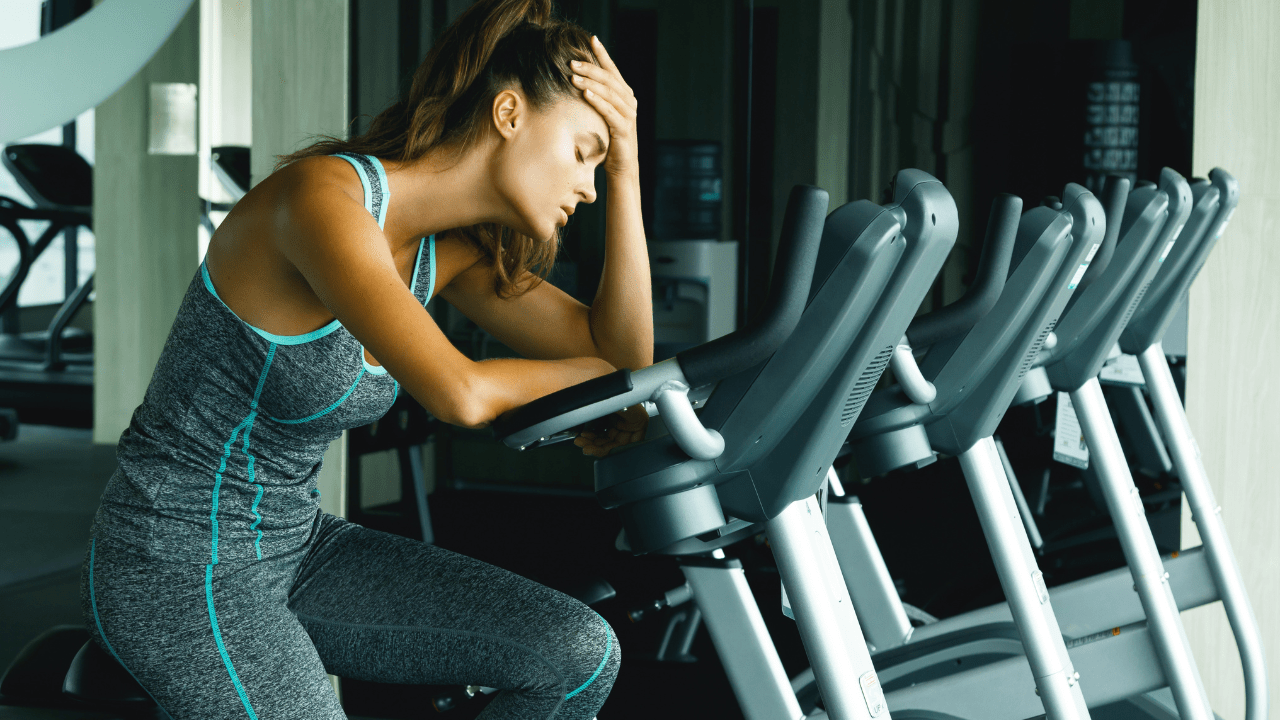
Endless cardio is not the gold standard for every woman. In fact, too much can backfire when you are already tired, stressed, and underfed. Sustainable weight loss usually responds better to a balanced movement plan that supports muscle, metabolism, and recovery.
Strength training matters because muscle helps you stay metabolically active, improves body composition, and supports healthy aging. Walking matters because it helps with stress, blood sugar, and consistency. Mobility matters because a sore, stiff body is less likely to keep moving.
The key habit is regular movement you can recover from. You should feel challenged, not destroyed. If your fitness plan leaves you exhausted and ravenous, that is not a badge of honour. That is useful feedback.
6. Fix the all-or-nothing mindset
This one is not talked about enough. Many women are not struggling because they do not know what healthy food is. They are struggling because one imperfect meal turns into a weekend spiral.
You eat the office birthday cake, decide the day is ruined, then keep going. By Sunday night, you are planning to start over again on Monday. That cycle is exhausting, and it keeps you stuck.
The better habit is recovery, not perfection. One off-plan meal is just one meal. The next decision matters more than the guilt. Sustainable weight loss is built by women who can course-correct quickly, not women who never slip.
This is where coaching can make a huge difference. Sometimes you do not need more nutrition rules. You need help interrupting the mental patterns that keep resetting your progress.

7. Support digestion and gut health
If you are bloated all the time, constipated, dealing with reflux, or feeling heavy after meals, your body is giving you information. Digestive issues do not automatically cause weight gain, but they can affect food choices, inflammation, energy, and how you feel in your own skin.
One of the best habits for sustainable weight loss is slowing down enough to eat properly. Chew your food. Sit while you eat. Stop inhaling lunch over your keyboard while answering emails. Your digestive system is not meant to process food efficiently when you are in go-go-go mode.
It also helps to eat enough fiber, drink enough water, and pay attention to foods that consistently leave you feeling worse. Not every healthy food works for every body. Raw salads, protein bars, and high-fiber wraps are not automatic wins if they leave you bloated and miserable.
8. Make your environment work for you
You do not need more discipline. You need fewer daily battles. If the easiest food to grab is processed snack food, if dinner is always a last-minute panic, and if your kitchen is set up for chaos, healthy choices will always feel harder than they need to.
A simple environment shift can change everything. Keep protein options ready. Prep ingredients, not just full meals. Have easy go-to breakfasts. Keep tempting foods out of sight if they trigger mindless eating. Put a water bottle where you actually see it.
This is not about treating yourself like a child. It is about respecting the fact that busy women make dozens of decisions a day. Good habits stick better when your environment removes friction.
9. Track patterns, not just pounds
The scale can be useful, but it is a terrible emotional support system. Weight fluctuates for many reasons, especially for women dealing with hormones, stress, poor sleep, or digestive issues. If the scale is the only measure of progress, you will miss signs that your body is improving.
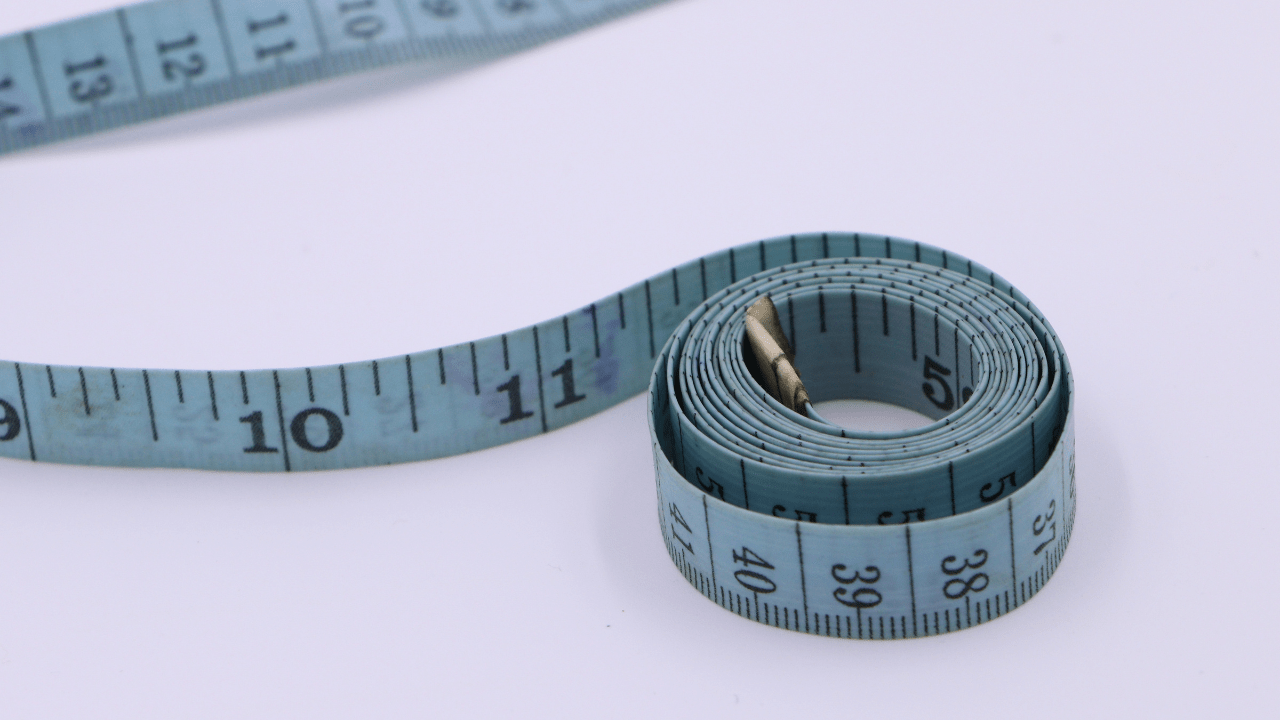
Track a few key markers instead: energy, cravings, sleep quality, digestion, strength, mood, waist measurements, and how your clothes fit. Those changes often show up before dramatic scale drops do.
At Coach With Chris, this is part of what makes a health-first approach so effective. When women start seeing progress beyond the number, they stop panicking and start building momentum. That is when habits become a lifestyle instead of another short-term fix.
What sustainable weight loss really asks of you
It asks for honesty. It asks you to stop chasing extreme solutions that make big promises and leave you more frustrated. It asks you to look at your health as a whole system, not just a calorie target.
The good news is that this does not require a miserable meal plan, two-hour workouts, or superhero levels of motivation. It requires repeatable habits that support your body instead of punishing it.
If you have felt stuck, your body and your health is not beyond repair. It may simply need a better strategy, more support, and habits that match the season of life you are actually living. Start there. Then keep going, one solid choice at a time. Hope this helps! Reach out if you need support!


0 comments