

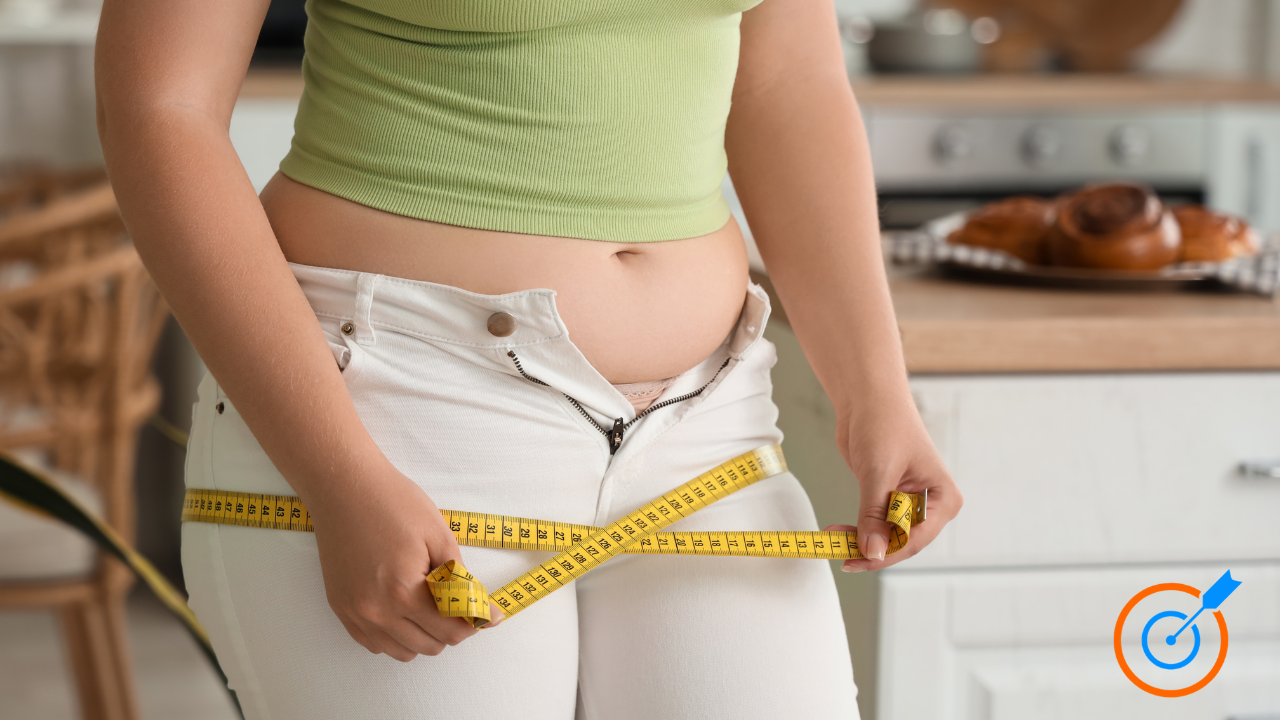
You can be eating "pretty well," trying to get your steps in, and still watch the scale creep up during a stressful season. Can you relate? If you have been wondering, can stress cause weight gain, the short answer is yes. And for many women over 40, it is not just possible - it is one of the biggest hidden reasons the body starts holding on to weight.
This is where a lot of women get frustrated. They blame themselves, cut calories harder, skip meals, or try to out-exercise a body that is already running on fumes. Then the cravings get louder, sleep gets worse, energy drops, and belly fat seems to arrive like an uninvited houseguest who refuses to leave. Annoying? Very. Common? Also yes.
Can stress cause weight gain, or is it just an excuse?
It is not an excuse. It is physiology.
Stress affects your hormones, appetite, sleep, digestion, blood sugar, and daily habits. When stress is occasional, the body is designed to handle it. But when stress becomes constant - work pressure, caregiving, poor sleep, financial strain, relationship stress, health worries, and the mental load of being everything to everyone - the body starts adapting in ways that can make weight gain more likely.
That does not mean every person under stress will gain weight. Some lose weight. Some bounce back quickly. But for many women, especially those already dealing with hormone shifts, insulin resistance, low muscle mass, or a history of chronic dieting, stress creates the perfect storm for stubborn weight gain.
What stress does inside the body
One of the main players is cortisol, your primary stress hormone. Cortisol is not bad. You need it. It helps regulate energy, blood sugar, inflammation, and your sleep-wake rhythm. The problem starts when cortisol stays elevated too often for too long.
When that happens, your body becomes more focused on survival than fat loss. It may increase appetite, especially for quick-energy foods like sugar and refined carbs. It may also raise blood sugar more often, which can lead to higher insulin levels. And insulin is a storage hormone. If it is elevated regularly, losing fat becomes harder.
Chronic stress can also encourage the body to store more fat around the midsection. That is one reason belly fat often shows up during periods of burnout, perimenopause, poor sleep, or emotional overload. It is not random. Your body is responding to signals.
There is also the thyroid piece. Ongoing stress can affect thyroid function and conversion of thyroid hormones, which may slow metabolism in some women. Add digestive issues, inflammation, and inconsistent eating, and you have a body that feels puffy, tired, hungry, and stuck.
Why stress changes your eating habits
Most women do not gain weight from one stressful day. It is the repeated pattern that does the damage.
Stress changes decision-making. When you are exhausted and overwhelmed, your brain wants relief fast. That makes the afternoon latte and muffin, the handfuls of crackers while making dinner, or the glass of wine and snacky foods at night feel less like choices and more like survival tools.
This is not about lacking willpower. It is about a stressed nervous system looking for comfort, stimulation, or a quick energy boost. If you have been under-eating earlier in the day, that effect gets even stronger. Many busy women skip breakfast, power through lunch, then wonder why they are standing in the kitchen at 9 p.m. negotiating with peanut butter straight from the jar. Mystery solved.
Stress can also disconnect you from hunger and fullness cues. Some women eat more without noticing. Others eat irregularly all day, then overeat at night. In both cases, the body ends up in a cycle that makes fat loss much harder.

Poor sleep is often the real middleman
If there is one place stress really shows its hand, it is sleep.
When you are wired but tired, sleep quality drops. You may fall asleep and wake at 3 a.m. with your brain hosting a private staff meeting. Or you may drag yourself through the day on coffee, then feel too tired to move and too hungry to make balanced meals.
Poor sleep changes appetite hormones too. Ghrelin, which stimulates hunger, tends to rise. Leptin, which helps signal fullness, tends to drop. Translation: you feel hungrier, less satisfied, and more likely to crave high-calorie foods. At the same time, your insulin sensitivity can worsen, making it easier to store fat and harder to access it for energy.
So yes, sometimes the problem is not that you "need more discipline." Sometimes you need better sleep, lower stress load, and a body that finally feels safe enough to stop fighting you.
Can stress cause weight gain even if you eat healthy?
Yes, it can. Healthy food matters, but context matters too.
You can eat salads, smoothies, and grilled chicken and still struggle if you are eating too little, rushing meals, not chewing properly, living on caffeine, sleeping badly, and carrying a stress load that never lets up. The body does not only respond to calories. It responds to the full environment.
This is where holistic coaching matters. Looking at food in isolation misses the bigger picture. If digestion is poor, blood sugar is unstable, hormones are shifting, and your nervous system is in overdrive, even a well-intentioned healthy diet may not create the results you expect.
That does not mean nutrition does not work. It means nutrition works best when it is matched with recovery, rhythm, and a realistic plan.

What to do if stress is affecting your weight
First, stop treating your body like the enemy. If stress is part of the picture, more punishment is not the fix.
Start by stabilizing your meals.
Start by stabilizing your meals. Regular meals with protein, fiber, healthy fats, and whole-food carbs can help reduce blood sugar swings and cravings. For many women, eating enough earlier in the day is a game changer. It is hard to stay in control at night when your body has been underfed since breakfast - or since no breakfast, which is also a thing.
Next, look at your sleep honestly.
Next, look at your sleep honestly. Not ideally. Honestly. If you are sleeping six broken hours and telling yourself it is fine because you are used to it, your body may disagree. Sleep is not lazy. It is metabolic repair.
Movement matters too.
Movement matters too, but this is where trade-offs matter. If your body is already highly stressed, punishing workouts can backfire. That does not mean do nothing. It means choose the right dose. Strength training, walking, mobility work, and moderate exercise often support fat loss better than going full beast mode when your nervous system is already waving a white flag.
Then there is stress regulation itself.
Then there is stress regulation itself. That does not have to mean hour-long meditation sessions in a silent room you do not have. It can look like five minutes of breathing before meals, a short walk after dinner, saying no more often, getting outside in the morning, reducing alcohol, or creating better boundaries around work and caregiving. Small daily signals of safety add up.
If emotional eating is part of your pattern, approach it with curiosity instead of shame. Ask what the food is doing for you. Is it soothing? Distracting? Rewarding? Helping you finally pause? When you understand the need underneath the habit, lasting change becomes much more possible.
The real goal is not just weight loss
For women in midlife, the goal cannot just be to eat less and hope for the best. The real goal is to restore health in a way that helps the body work properly again.
That means supporting hormones, digestion, blood sugar, sleep, mindset, and metabolism together. It means building habits that fit real life, not a fantasy version of your schedule. And it means accepting that if stress is driving the problem, the answer has to include recovery, not just restriction.
This is a big part of what we teach at Coach With Chris. Sustainable weight loss is rarely about trying harder. It is about understanding what your body has been responding to and giving it the right support to change.
If you have been stuck in the cycle of stress, cravings, low energy, and stubborn weight gain, there is nothing broken about you. Your body may simply be asking for a different strategy. Start there. Support your system instead of fighting it, and you may be surprised by how much easier progress begins to feel. Reach out if you need support!


0 comments