


By 7:42 a.m., you may already have packed lunches, answered a work message, found one missing shoe, and reheated the same coffee twice. That is exactly why healthy habits for busy moms need to be realistic. If a plan only works when life is calm, the plan is the problem.
Most moms do not need more pressure, more rules, or another meal plan that acts like they have endless time and zero responsibilities. They need habits that support energy, cravings, hormones, digestion, and weight loss in real life. The goal is not perfection. The goal is to create enough consistency that your body starts working with you again instead of feeling like it is fighting you every step of the way.
Why healthy habits for busy moms often fail
A lot of wellness advice sounds good on paper and falls apart by Tuesday. Wake up at 5 a.m. Meditate for 30 minutes. Make a picture-perfect breakfast. Hit the gym for an hour. Drink a gallon of water. Be calm and glowing at all times, obviously.
That kind of routine can leave busy women feeling like failures before the day has even started. The issue is not lack of motivation. It is that the habits are disconnected from the actual demands of motherhood, work, mental load, and hormonal stress.
When your body is running on poor sleep, blood sugar swings, skipped meals, constant rushing, and stress hormones, weight loss gets harder. Energy crashes hit harder too. You may crave sugar at 3 p.m., snack at night, and blame yourself, when your body is really asking for support, structure, and better recovery.
The fix is not to try harder. It is to build habits that are small enough to repeat and strong enough to change how you feel.

1. Eat a real breakfast within a reasonable window
If your morning is fueled by coffee and chaos, you are not alone. But going too long without food can drive up cravings later, especially if you are already dealing with fatigue, stubborn belly fat, or stress eating.
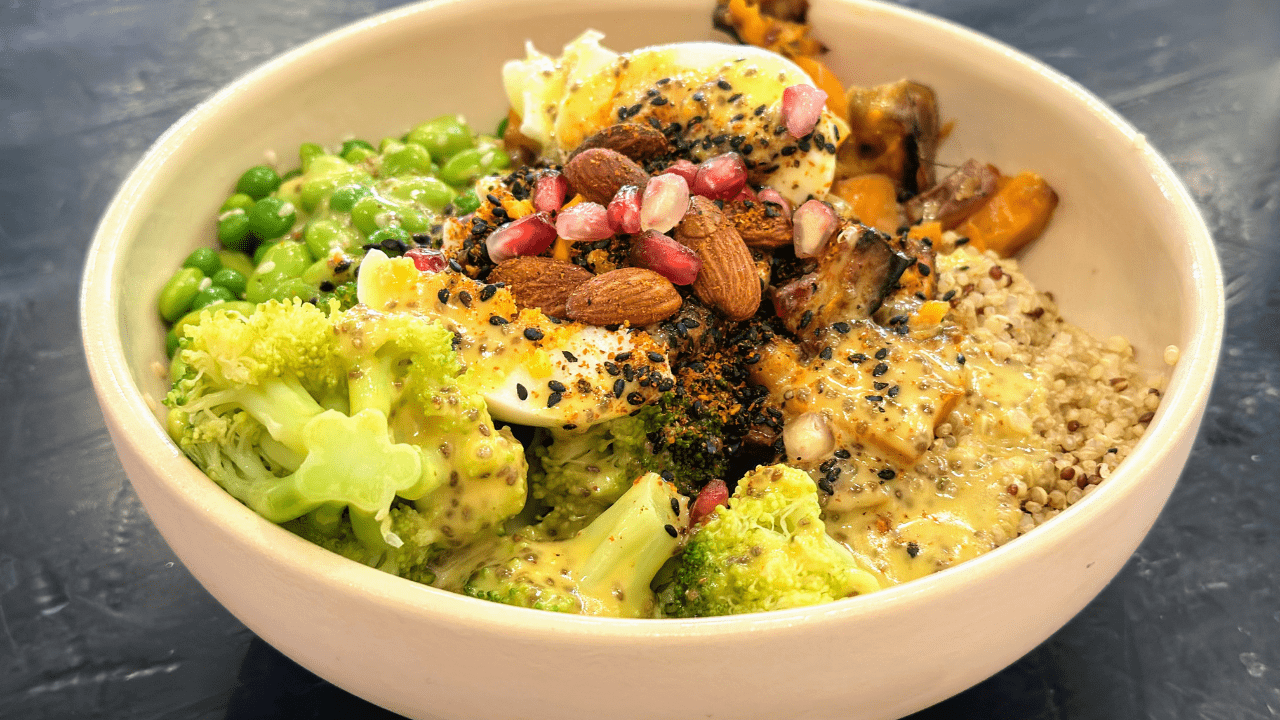
A real breakfast does not need to be fancy. It needs protein, some healthy fat, and enough substance to keep you steady. Greek yogurt with berries and seeds, eggs with sourdough toast and avocado, or a protein smoothie you can drink while refereeing sibling drama all count.
If early breakfasts make you feel nauseous, do not force-feed yourself at dawn. Give yourself a reasonable window, then eat on purpose instead of grazing your way through the morning.
What this habit helps with
This one habit can improve blood sugar balance, reduce mid-morning crashes, and make overeating later in the day less likely. That is not magic. That is physiology.
2. Build meals around protein first
Busy moms often eat whatever is left over, whatever is quick, or whatever the kids did not touch. Unfortunately, toddler crusts and a handful of crackers are not a metabolic strategy.
Protein helps with satiety, muscle maintenance, blood sugar control, and recovery. It also matters if you want to lose weight without feeling ravenous. Start by asking one simple question at meals: where is the protein?
This could look like chicken, eggs, Greek yogurt, cottage cheese, turkey, fish, tofu, or a quality protein shake when life gets wild. You do not need to count every gram unless that feels helpful. You do need to stop treating protein like an optional extra.
3. Stop relying on willpower and start using anchors
One of the most effective healthy habits for busy moms is attaching a new habit to something you already do. That is an anchor. It saves mental energy and removes the drama of deciding from scratch every day.
For example, after you pour your morning coffee, drink a full glass of water. After school drop-off, go for a 10-minute walk. When you prep dinner, cut veggies for tomorrow’s lunch too. After the kids are in bed, take five minutes to plan breakfast and protein for the next day.
This works better than chasing a perfect routine because it fits into your existing life. The less a habit depends on motivation, the more likely it is to survive a busy week.

4. Walk more than you think you need to
Not every body thrives on punishing workouts, especially when stress is already high. If you are exhausted, inflamed, under-recovered, or struggling with hormones, more intensity is not always the answer.
Walking is one of the most underrated tools for fat loss, blood sugar support, digestion, stress relief, and mood. It is gentle, accessible, and far easier to recover from than going all-in on boot camp classes when you have slept six hours and somebody was in your bed sideways.
A 10-minute walk after meals can be surprisingly powerful. So can pacing during phone calls, parking farther away, or doing one loop around the block before going back inside. It may not feel flashy, but flashy does not always get results. Repeatable does.
5. Make sleep the habit that protects all the others
Sleep is usually the first thing moms sacrifice and the first thing the body notices. Poor sleep increases hunger, worsens cravings, impacts insulin sensitivity, affects mood, and makes healthy choices feel much harder.
Now, not every sleep issue can be solved with a lavender pillow spray and positive thinking. Sometimes kids wake up. Sometimes stress is high. Sometimes hormones are involved. But better sleep hygiene still matters.
Start with the basics. Have a consistent bedtime range. Cut screen time a little earlier if you can. Keep caffeine earlier in the day. Eat enough during the day so you are not prowling the pantry at 9:30 p.m. If your evenings are your only alone time, do not aim for perfection. Aim for improving sleep often enough that your body can recover.
6. Create a default lunch for busy days
Decision fatigue is real. The more choices you have to make, the easier it is to skip meals, grab pastries, or pretend a cheese string and a child’s leftover cucumber slice make a balanced lunch.
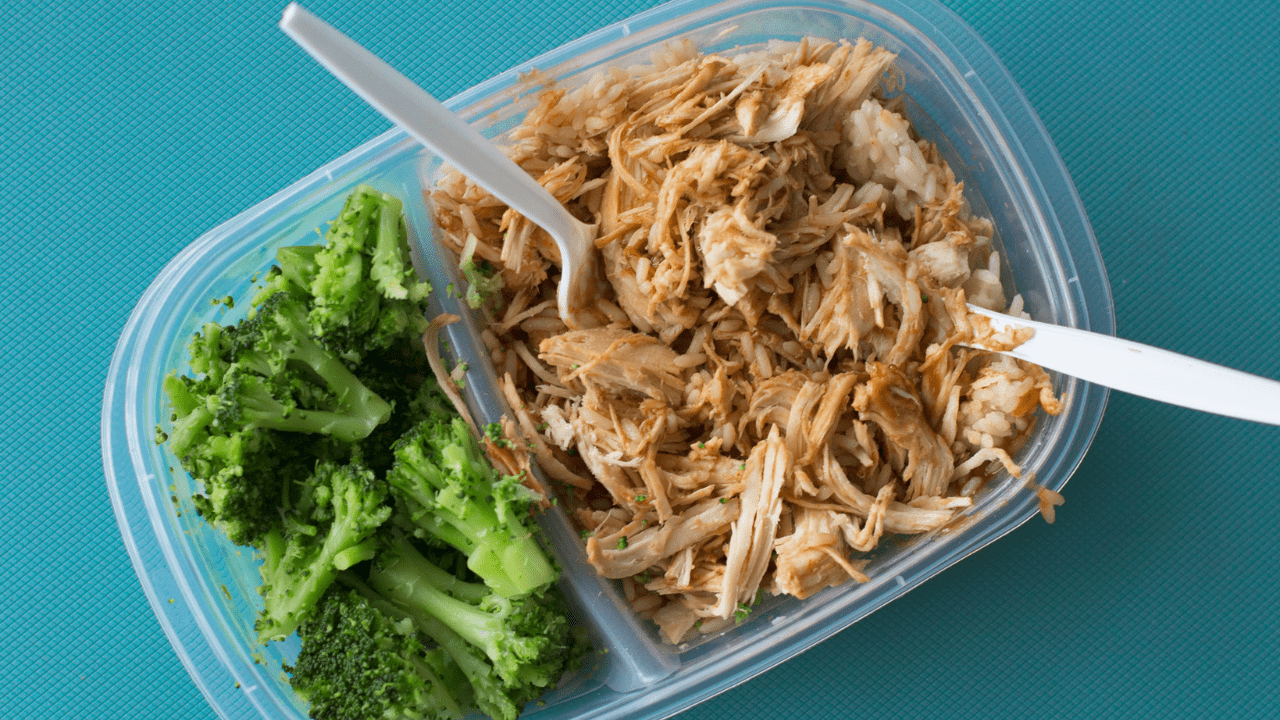
A default lunch removes friction. It gives you one meal you can repeat without overthinking it. That might be a salad with chicken and a vinaigrette, a protein bowl with rice and veggies, leftovers from dinner, or a soup and sandwich combo with enough protein to keep you full.
The point is not to eat the same thing forever. The point is to have a dependable option for the days when your brain is done by noon. Structure beats guesswork every time.
7. Deal with stress before it turns into emotional eating
Many women think they have a discipline problem when they actually have a stress load problem. If food becomes the reward, the break, the comfort, or the only thing that feels like yours at the end of the day, that deserves compassion and a better plan.
You do not need a two-hour self-care routine. You need a few small pressure-release valves built into your day. Five deep breaths before entering the house. A short walk after work. Music while making dinner. Putting your phone down for 15 minutes. Asking for help instead of white-knuckling everything.
Will this solve emotional eating overnight? No. But it helps create space between stress and the automatic trip to the pantry. That space is where change starts.
When this habit needs more support
If emotional eating feels intense, frequent, or deeply tied to overwhelm, mindset and accountability matter. This is where coaching can make a big difference, because information alone does not always change behaviour. Support helps you interrupt patterns without shame.

8. Plan your environment, not just your intentions
Good intentions are lovely. A supportive environment is better.
If your kitchen is full of grab-and-go foods that leave you tired and snacky, that will affect your choices. If there is no protein prepped, no easy lunch option, and nothing ready when you get home starving, the day will usually win.
Try setting up your week so the healthy choice is easier. Wash fruit when you bring it home. Cook extra protein at dinner. Keep quick staples on hand, like eggs, canned salmon, Greek yogurt, frozen veggies, and pre-cut produce. You are not trying to become a meal-prep influencer. You are trying to make Tuesday less chaotic.
The habits that matter most are the ones you can repeat
There is always a temptation to overhaul everything at once. New week, new meal plan, new supplements, new workout schedule, new personality. It sounds motivating until real life shows up.
A better approach is to choose two or three habits that solve your biggest pain points first. If you are exhausted and craving sugar, start with breakfast and protein. If you feel puffy, stressed, and stuck, start with walking and sleep. If afternoons fall apart, build a default lunch and keep snacks that actually satisfy you.
At Coach With Chris, this is the difference between chasing short-term weight loss and restoring health in a way your body can sustain. It is less about doing everything and more about doing the right things consistently enough to create momentum.
You do not need to earn your health back with extremes. Start with the habit that would make tomorrow feel easier, and repeat it until your body begins to trust you again. You can do it!


0 comments