


You can eat less, work out harder, and still feel like your body is fighting you. That is exactly why holistic nutrition for women matters. If you are over 30, juggling work, family, stress, and a body that no longer responds the way it used to, the answer is rarely another stricter diet. More often, it is a signal that your body needs support, not punishment.
For many women, weight gain is not just about calories. It is tied to stress, poor sleep, blood sugar swings, digestive issues, hormone shifts, inflammation, and habits built in survival mode. When those pieces are ignored, even the most disciplined plan can fail. When they are addressed together, the body starts to feel safer, stronger, and more responsive.
What holistic nutrition for women really means
Holistic nutrition for women looks at the whole picture instead of isolating one symptom. It asks better questions. Why are cravings happening every afternoon? Why does belly fat seem to increase despite healthy choices? Why does motivation disappear at night? Why does digestion feel off, energy feel flat, and willpower feel unreliable?
A holistic approach connects food with metabolism, gut health, hormones, sleep, stress, mindset, and daily routines. That does not mean everything has to be perfect. It means your nutrition plan should work with your real life and your biology, not against it.
This matters because women are often taught to override their bodies. Skip meals. Ignore hunger. Push through exhaustion. Start over on Monday. That cycle creates frustration and makes health feel harder than it needs to be. A better approach is to build habits that help the body regulate itself more effectively.
Why traditional dieting keeps backfiring
Most diets are built for short-term scale changes, not long-term health restoration. They create fast rules and fast results for some people, but they often ignore what caused the weight gain in the first place. If stress is high, sleep is broken, digestion is poor, and blood sugar is unstable, cutting calories harder usually creates more resistance, not less.
This is especially true for women dealing with hormone-related changes in their 30s, 40s, and beyond. The body becomes less forgiving of extremes. Under-eating during the day can trigger evening overeating. Overtraining can increase fatigue and cravings. Clean eating can still leave you stuck if your portions, meal timing, or stress patterns are off.
There is also an emotional cost. Many women start to believe they are the problem when the real problem is the method. If you have been consistent but not seeing results, that does not automatically mean you lack discipline. It may mean your body needs a more strategic, supportive approach.
The foundations of a holistic nutrition plan
The goal is not to make nutrition complicated. It is to make it effective.
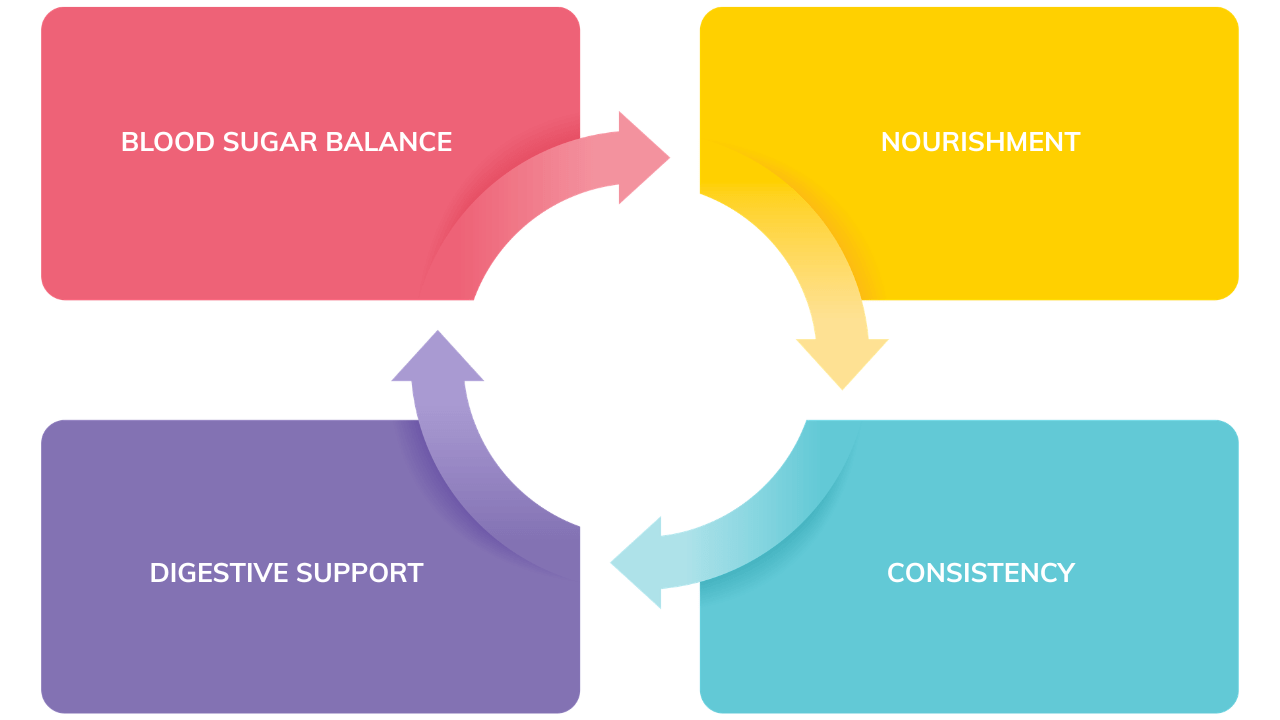
The first foundation is blood sugar balance.
The first foundation is blood sugar balance. When meals are built around protein, fiber, and healthy fats, energy becomes more stable and cravings usually come down. This can be a major shift for women who are running on coffee in the morning, grabbing something quick at lunch, and feeling out of control by 3 p.m. or after dinner.
The second foundation is adequate nourishment.
The second foundation is adequate nourishment. Many women trying to lose weight are actually under-fueling in ways that hurt progress. They may eat too little protein, not enough whole foods, or too few nutrients to support muscle, detoxification, hormone production, and recovery. Eating less is not always the answer. Eating better and more strategically often is.
The third foundation is digestive support.
The third foundation is digestive support. If your gut is inflamed, sluggish, or constantly reacting, it can affect everything from bloating and bowel movements to cravings, mood, and inflammation. A holistic plan pays attention to how you digest, absorb, and respond to food, not just how many calories are on the plate.
The fourth foundation is consistency.
The fourth foundation is consistency. Not intensity. A plan that works for four days and falls apart every weekend is not a sustainable plan. Real progress comes from simple habits repeated long enough for the body to respond.

Nutrition needs change with a woman’s life
One reason generic plans fail is that they ignore context. A woman in her early 30s recovering from years of stress eating may need something different from a woman in perimenopause dealing with sleep disruption, abdominal weight gain, and low energy.
This is where nuance matters. Some women need to focus first on eating enough protein and building regular meals. Others need to reduce inflammatory foods that are aggravating digestion or energy crashes. Some need to address emotional eating patterns before they can trust themselves around food again.
It also depends on your season of life. Busy moms often need portable meals and clear structure, not elaborate meal prep. Professional women under chronic stress may need to stabilize their morning and afternoon eating so they are not white-knuckling evenings. Women approaching menopause often benefit from a stronger focus on muscle support, blood sugar regulation, and recovery.
There is no one perfect food plan for every woman. But there are clear patterns that help most women feel and function better.
What to focus on first
If you feel overwhelmed, start smaller than you think you need to. The women who create lasting change are not the ones who overhaul everything overnight. They are the ones who build momentum with a few high-impact habits.
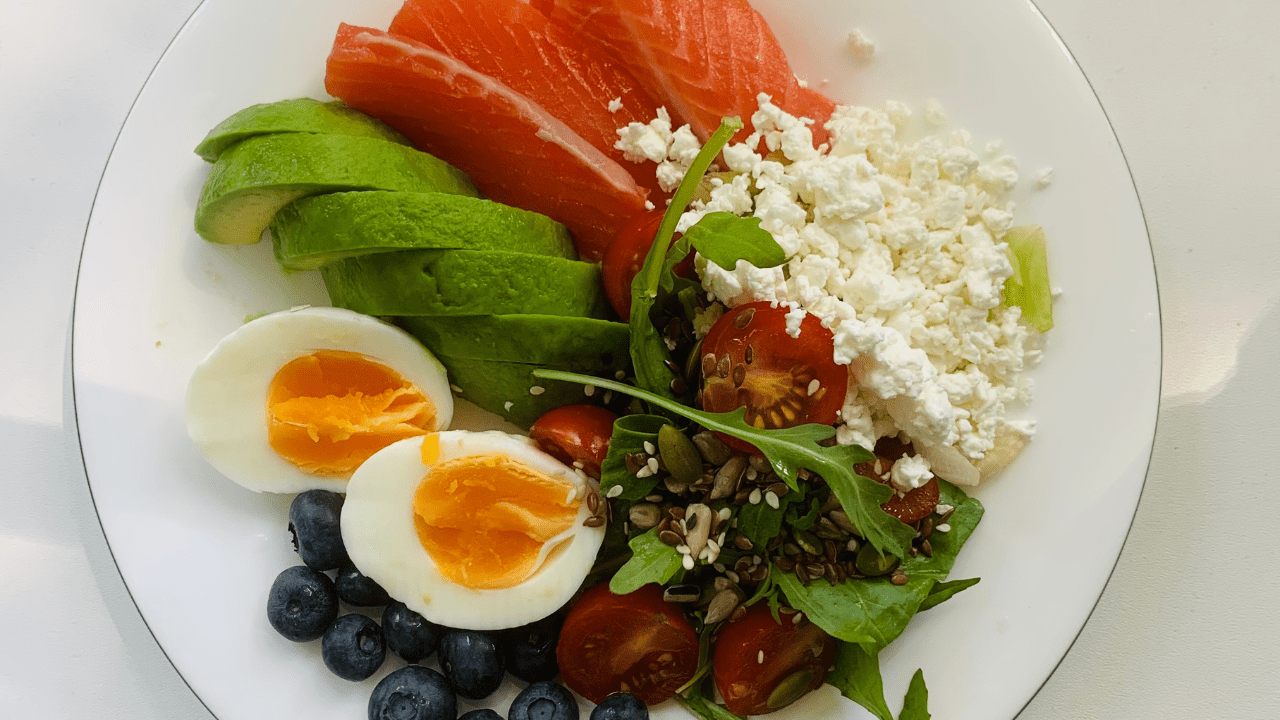
Start with breakfast or meal #1. A protein-rich breakfast can change the entire tone of your day. It helps reduce mid-morning crashes, steadies appetite, and gives your body a better signal than coffee and toast alone. (which you shouldn't be having anyhow) It does not need to be fancy. It needs to be consistent.
Next, look at your meal rhythm. Going too long without eating often sets up later overeating, especially when stress is high. Balanced meals spaced through the day tend to work better than relying on willpower once cravings hit. 3 meals a day works best.
Then pay attention to your evening patterns. Late-night snacking is rarely just about hunger. It is often a response to depletion, stress, overstimulation, or lack of structure earlier in the day. When daytime nutrition improves, evenings usually get easier.
Sleep also has to be part of the conversation. Poor sleep can increase hunger, reduce impulse control, worsen insulin sensitivity, and make healthy decisions feel far harder than they should. Nutrition helps sleep, and sleep helps nutrition. You cannot separate them for long.

Holistic nutrition for women and weight loss
Weight loss can absolutely be part of holistic nutrition for women, but it is approached differently. The goal is not to force the body smaller at all costs. The goal is to create conditions where the body can release weight more naturally.
That means lowering the drivers that keep weight stuck. Chronic stress, blood sugar dysregulation, poor gut health, low muscle mass, inconsistent eating, and all-or-nothing habits can all play a role. If those are left unaddressed, the scale may stay stubborn no matter how motivated you are.
This is why a structured, guided process can make such a difference. Instead of guessing, you work through the layers in the right order. At Coach With Chris, this is part of what makes a health restoration approach more effective than another crash diet. It helps women stop chasing quick fixes and start building a body that responds again.
There are trade-offs, of course. Sustainable change is not as flashy as rapid weight loss promises. It takes patience. It asks for honesty about habits. It requires consistency before confidence. But the payoff is bigger than a short-term drop on the scale. You feel better in your body, and you know how to maintain the changes you worked for.
What real progress looks like
Sometimes the first signs of success are not pounds lost. They are fewer cravings. Better digestion. Less afternoon fatigue. More control around food. Waking up with energy. Feeling less inflamed. Having a plan you can actually follow on a busy Tuesday.
Those wins matter because they are signs that your body is becoming more regulated. And when the body is more regulated, weight loss often becomes easier and more sustainable.
This is also where mindset matters. If you are measuring success only by speed, you may miss the deeper progress that creates lasting results. Women who transform their health usually stop asking, How fast can I lose weight? and start asking, What does my body need to function well again?
That shift changes everything. It moves you out of self-blame and into strategy. It helps you see your habits clearly without beating yourself up. It turns health from a punishment into a partnership.
You do not need a more extreme plan. You need an approach that respects your hormones, your schedule, your stress load, and your long-term goals. Start with one habit that supports your body instead of fighting it. Then build from there. That is how real change begins, and it is how women finally stop feeling stuck. You can do it!


0 comments