

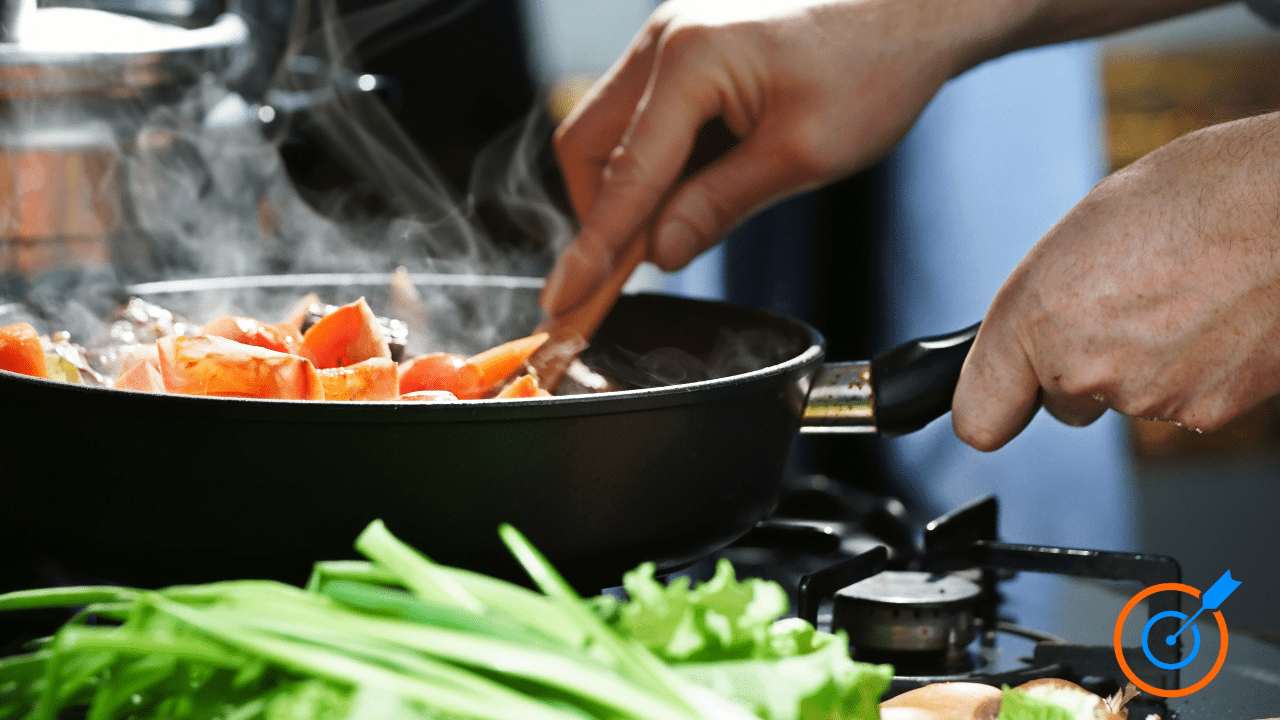
By 3 p.m., a lot of women think they have a willpower problem. They do not. More often, they have a blood sugar problem, a skipped-protein-at-breakfast problem, or a coffee-and-chaos problem. If you want to know how to eat for stable energy, the answer is not eating less and hoping for the best. It is eating in a way that supports your metabolism, hormones, and nervous system so your body stops acting like it is in survival mode.
That matters even more if you are over 40, juggling work, family, stress, poor sleep, and a body that suddenly seems to gain weight by looking at a bagel. Low energy is not just annoying. It drives cravings, emotional eating, brain fog, and the kind of evening overeating that makes you feel like you have failed again. You have not failed. Your body is asking for a better strategy.
Why your energy keeps crashing
Most energy crashes are not random. They usually come from a pattern of fast-digesting carbs, not enough protein, inconsistent meal timing, dehydration, and too much caffeine on too little food. Add stress and poor sleep, and your body becomes much less resilient.
When you eat a muffin for breakfast or grab toast on the way out the door, your blood sugar rises quickly. Then it drops quickly. That drop can feel like fatigue, irritability, shakiness, cravings, or the need for another coffee and something sweet. It is not you being lazy. It is physiology.
The tricky part is that many women have spent years trying to eat "light" during the day to lose weight. A yogurt at noon, a handful of crackers at 3 p.m., then a full-on kitchen raid at 8 p.m. That pattern does not create stable energy. It creates stress in the body and usually backfires on weight loss too.
How to eat for stable energy without overcomplicating it
Stable energy comes from meals that digest at a steady pace and give your body what it needs to function well. That usually means building meals around protein, fiber-rich carbs, healthy fats, and enough total food.
Protein is your anchor. It helps slow digestion, supports muscle, improves satiety, and reduces the roller coaster effect of carb-heavy meals. For many women, breakfast is where this falls apart first. If your morning meal is mostly carbs, your afternoon energy often pays the price.
Fiber helps too. Vegetables, berries, oats, beans, lentils, and whole grains slow the release of glucose into the bloodstream. Healthy fats from foods like avocado, nuts, seeds, eggs, and olive oil also help meals last longer. The goal is not to fear carbs. The goal is to stop eating naked carbs that hit your system like a toddler with a drum set.
Start with breakfast that actually works
If you are waking up tired, relying on coffee, and crashing before lunch, breakfast is one of the best places to make a change. A better breakfast gives you a steadier start and often reduces the need to snack all morning.
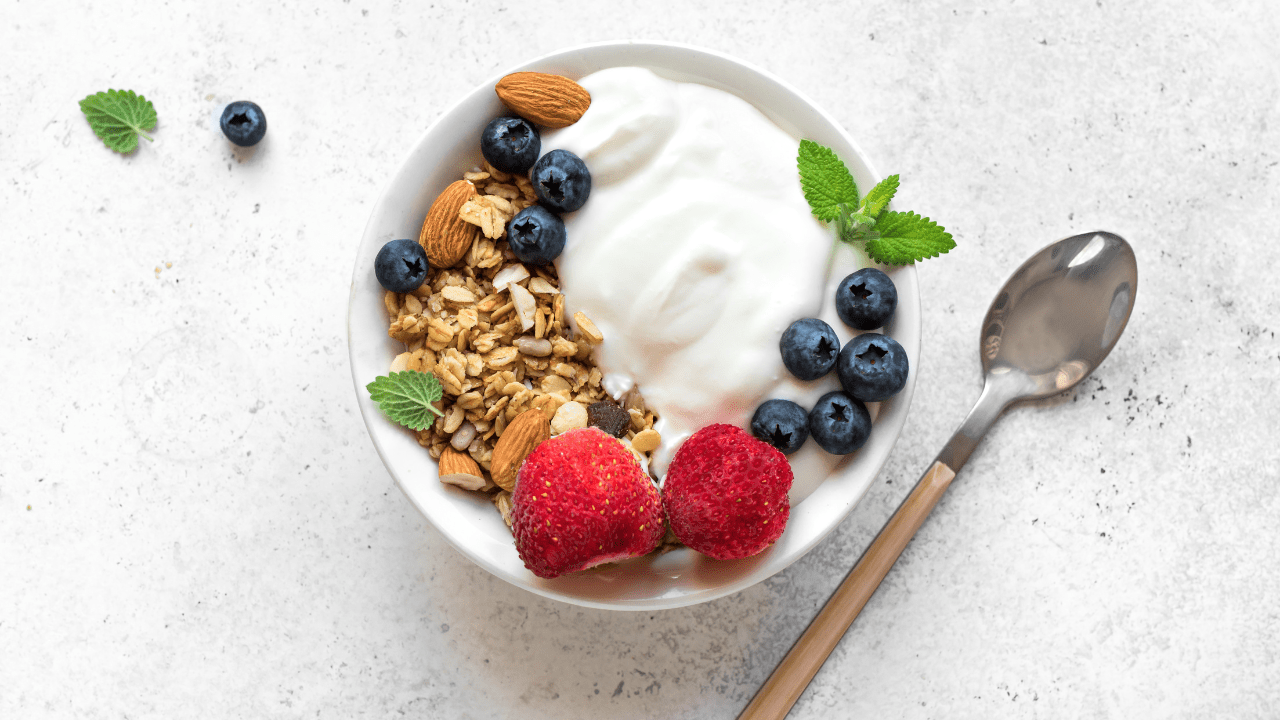
That could look like eggs with sautéed veggies and sourdough toast, Greek yogurt with berries, chia, and nuts, or a protein smoothie with unsweetened milk, protein powder, flax, berries, and spinach. Oatmeal can work too, but not if it is just oats and brown sugar. Add protein and fat so it sticks with you.
If you are not hungry first thing, do not force-feed yourself at 6 a.m. just because the internet said so. But do pay attention if you are skipping breakfast and then feeling ravenous later. That is useful feedback.
Build lunches that prevent the 3 p.m. face-plant
A lunch that is mostly salad greens and a prayer is not helping. If your lunch leaves you hunting for chocolate an hour later, it is too light or too unbalanced.
Think of lunch as a blood sugar support meal. Start with protein like chicken, tuna, salmon, turkey, eggs, tofu, or legumes. Add fiber-rich carbs such as quinoa, sweet potato, brown rice, or beans. Include vegetables and a source of healthy fat. Leftovers often make the best lunches because they are real food and usually more satisfying than snack plates pretending to be meals.
Dinner should calm things down, not trigger rebound eating
By dinner, many women are starving, tired, and one minor inconvenience away from eating cereal over the sink. That is usually the result of not eating enough earlier in the day.
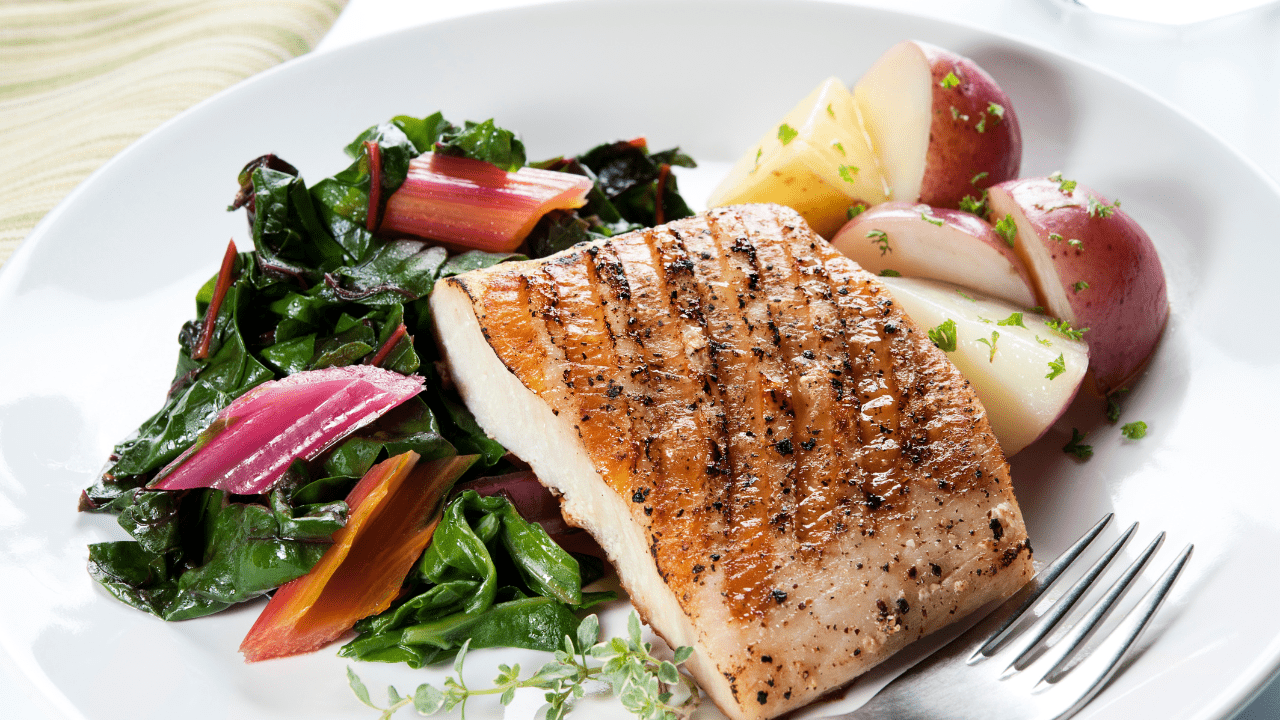
A balanced dinner should feel grounding. Include a solid serving of protein, plenty of vegetables, and a portion of smart carbs. Yes, carbs at dinner can absolutely fit. In fact, they may help with satisfaction and sleep for some women. The key is portion and pairing. Pasta by itself can lead to a crash. Pasta with chicken, veggies, and olive oil is a different story.
The foods that help most with stable energy
There is no single magic food, and anyone selling you one probably also has a bridge to sell in Saskatchewan. What helps most is the overall pattern.
Foods that tend to support better energy include eggs, fish, poultry, plain Greek yogurt, cottage cheese, legumes, tofu, nuts, seeds, berries, apples, pears, oats, quinoa, mini potatoes, sweet potatoes, and lots of non-starchy vegetables. These foods provide a mix of protein, fiber, micronutrients, and slower-digesting carbohydrates.
On the flip side, meals built around pastries, sugary coffee drinks, white bread, granola bars, juice, or large portions of refined carbs on their own often lead to quick spikes and crashes. That does not mean you can never enjoy these foods. It means they work better as part of a balanced meal than as the whole meal.

Snacking is not bad, but random snacking is exhausting
Generally women will do well with three meals a day. I typically don't recommend snacks as I believe that the snack should come from your body in terms of stored body fat. I would only recommend a snack if someone was muscle building. In such cases a planned snack after a workout can help with muscle building and tone.
If adding a post workout snack. Pair protein with fiber or fat. An apple with almond butter, Greek yogurt with berries, veggies with hummus, or cottage cheese with cucumber are all simple options. Crackers by themselves are not a snack. They are an opening act for cravings.
Caffeine is not breakfast
This one is said with love. Coffee is not evil, but using it to replace food is a fast track to jittery energy, poor appetite regulation, and afternoon burnout. If you love your coffee, keep it. Just try having it with or after a balanced meal instead of on an empty stomach.
Hydration matters too. Even mild dehydration can feel like fatigue and fogginess. Many women are under-hydrated and over-caffeinated, which is a rough combo for energy, digestion, and cravings.
How to eat for stable energy when life is busy
You do not need gourmet meal prep or colour-coded containers. You need a few reliable defaults.
Keep easy proteins in the house, such as hard-boiled eggs, rotisserie chicken, canned salmon, Greek yogurt, cottage cheese, or a quality protein powder. Stock simple fiber-rich carbs like oats, rice, sweet potatoes, fruit, and beans. Keep vegetables easy too - frozen counts, bagged salad counts, and baby carrots definitely count.
The goal is not perfection. It is making the better choice easier when you are tired. Because when you are running on fumes, convenience wins every time.
A few trade-offs to keep in mind
Not every "healthy" meal gives stable energy. A smoothie bowl loaded with fruit and granola may look virtuous but still spike blood sugar if it is low in protein. A salad can be energizing or completely inadequate depending on what is in it.
And yes, some women need more carbs than others, especially if they are active, under a lot of stress, or not eating enough overall. Going too low-carb can help some people short term, but for others it leads to fatigue, poor workouts, constipation, and late-night cravings. This is where personalization matters.
If you have insulin resistance, perimenopausal symptoms, digestive issues, or a history of chronic dieting, your body may need a more structured approach. That is exactly why coaching works so well. At Coach With Chris, we teach women how to eat in a way that supports fat loss and health restoration at the same time, without turning food into a full-time job.
What stable energy really feels like
Stable energy does not mean feeling wired all day. It means your mood is steadier, your cravings are quieter, and you are not white-knuckling your way to dinner. It means you can focus, move, parent, work, and live without constantly thinking about sugar, snacks, or your next caffeine fix.
That kind of energy is not built through restriction. It is built through nourishment, consistency, and learning how your body responds. Start with one meal. Make it more balanced. Then repeat tomorrow. Your body notices more than you think, and it responds faster than most women expect.
You do not need to earn your energy. You need to feed it. You've got this!


0 comments